

In an ever-evolving financial landscape, the pursuit of wealth growth often conjures images of high-stakes investments and volatile market maneuvers. However, for families seeking a more stable path to financial prosperity, low-risk bonds present a compelling alternative. This analytical exploration delves into the strategic deployment of bonds as a means to bolster family wealth, balancing the allure of returns with the prudence of risk management. By understanding the nuances of bond investments, families can craft a resilient financial portfolio that not only preserves capital but also fosters steady growth. In this article, we will dissect the mechanics of low-risk bonds, elucidate their benefits, and provide actionable insights on how to seamlessly integrate them into your family’s wealth-building strategy. With confidence and clarity, we aim to guide you through the intricacies of bond investment, empowering your family to achieve financial stability and success.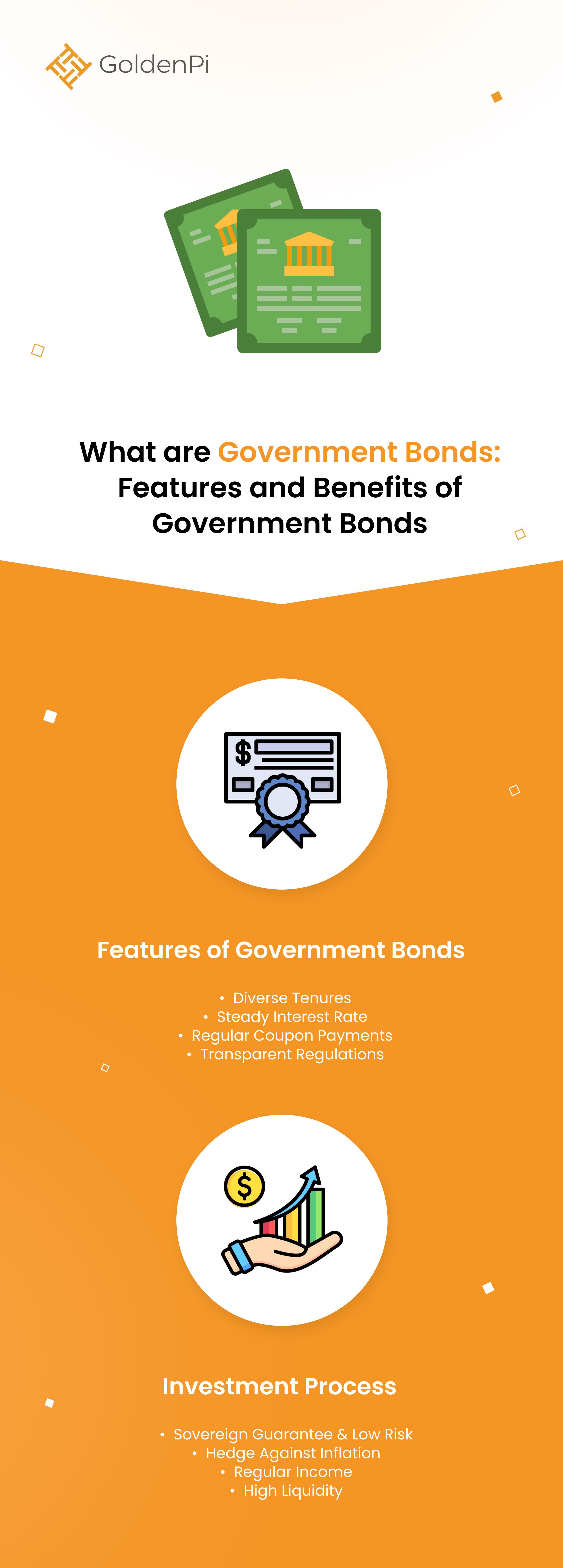
Understanding Low Risk Bonds and Their Benefits
Low risk bonds are financial instruments that offer a stable and predictable return on investment, making them an attractive option for families looking to grow their wealth without taking on excessive risk. These bonds are typically issued by governments or well-established corporations with strong credit ratings, ensuring a high level of security for investors. The interest payments, known as coupon payments, are usually fixed, providing a reliable income stream. One of the main advantages of investing in low risk bonds is their ability to preserve capital, making them an ideal choice for conservative investors or those nearing retirement.
Key benefits of low risk bonds include:
- Capital Preservation: Protect your initial investment with minimal risk of loss.
- Steady Income: Enjoy consistent interest payments that can support your family’s financial needs.
- Diversification: Add stability to your investment portfolio by balancing higher-risk assets.
- Liquidity: Many bonds are easily tradable, allowing for flexibility in managing your investments.
By incorporating low risk bonds into your financial strategy, you can achieve a balanced approach to wealth growth that prioritizes both safety and steady returns.

Strategic Bond Selection for Long-term Wealth Growth
When it comes to crafting a robust financial portfolio that promises stability and growth, the art of selecting the right bonds is indispensable. Bonds, particularly those that are strategically chosen, offer a blend of security and profitability, making them a cornerstone for long-term wealth accumulation. Diversification is key; by spreading investments across different bond types, such as government, municipal, and corporate bonds, you mitigate risks and enhance returns. Consider the following when selecting bonds for your portfolio:
- Credit Quality: Opt for bonds with high credit ratings to ensure reliability and reduce the likelihood of default.
- Maturity Dates: A mix of short, medium, and long-term bonds can provide liquidity and capital appreciation over time.
- Interest Rate Environment: Pay attention to economic indicators that affect interest rates, as these can influence bond prices and yields.
By focusing on these elements, investors can effectively leverage bonds to secure and grow their family’s wealth with minimal risk, ensuring a stable financial future.

Balancing Your Investment Portfolio with Bonds
Incorporating bonds into your investment strategy is a crucial step in achieving a diversified portfolio that minimizes risk while aiming for consistent growth. Bonds offer a stable income stream and act as a buffer against the volatility of the stock market. When interest rates fluctuate, bonds tend to have an inverse relationship with stocks, providing a natural hedge. This makes them an ideal choice for those looking to safeguard their family’s wealth without sacrificing potential gains.
To effectively balance your portfolio, consider the following strategies:
- Diversify Across Bond Types: Invest in a mix of government, municipal, and corporate bonds to spread risk and optimize returns.
- Ladder Your Bonds: Create a bond ladder by staggering maturity dates, ensuring a steady stream of income and reducing interest rate risk.
- Assess Credit Quality: Focus on bonds with higher credit ratings to minimize default risk while maintaining yield potential.
By thoughtfully integrating these strategies, you can construct a bond-focused portfolio that complements your overall investment goals and fosters long-term financial security for your family.

Practical Tips for Maximizing Returns from Low Risk Bonds
Investing in low-risk bonds can be a strategic way to enhance your family’s financial portfolio, but to truly maximize returns, a thoughtful approach is essential. Diversification is key. Spread your investments across different types of bonds such as government, municipal, and high-quality corporate bonds to balance potential risks and returns. Each bond type reacts differently to market conditions, providing a cushion against market volatility.
- Laddering: Implement a bond laddering strategy to manage interest rate risks. By staggering bond maturity dates, you can reinvest at varying interest rates, potentially enhancing returns over time.
- Reinvestment: Consider reinvesting interest payments to take advantage of compound interest, which can significantly boost your portfolio’s growth.
- Tax Efficiency: Leverage tax-advantaged accounts like IRAs or consider municipal bonds, which are often exempt from federal taxes, to maximize after-tax returns.
Regularly reviewing and adjusting your bond portfolio in response to changing economic conditions is also crucial. Stay informed about interest rate trends and credit ratings to ensure your investments remain aligned with your financial goals. By following these strategies, you can enhance the potential returns of your low-risk bond investments while safeguarding your family’s wealth.