

Planning for retirement is a critical financial goal that requires careful consideration and strategic decision-making. With the myriad of investment options available today, identifying the best strategies to maximize long-term retirement savings can seem daunting. However, with the right guidance and insights, you can navigate this complex landscape with confidence and clarity. This article aims to provide you with a comprehensive overview of the most effective investment options tailored to boost your retirement savings. From traditional vehicles like 401(k) plans and IRAs to more diversified portfolios including stocks, bonds, and real estate, we will explore the advantages and potential pitfalls of each option. By understanding the unique benefits and risks associated with these investments, you can make informed decisions that align with your financial goals and ensure a secure and prosperous retirement. Let’s embark on this journey to build a robust financial future together.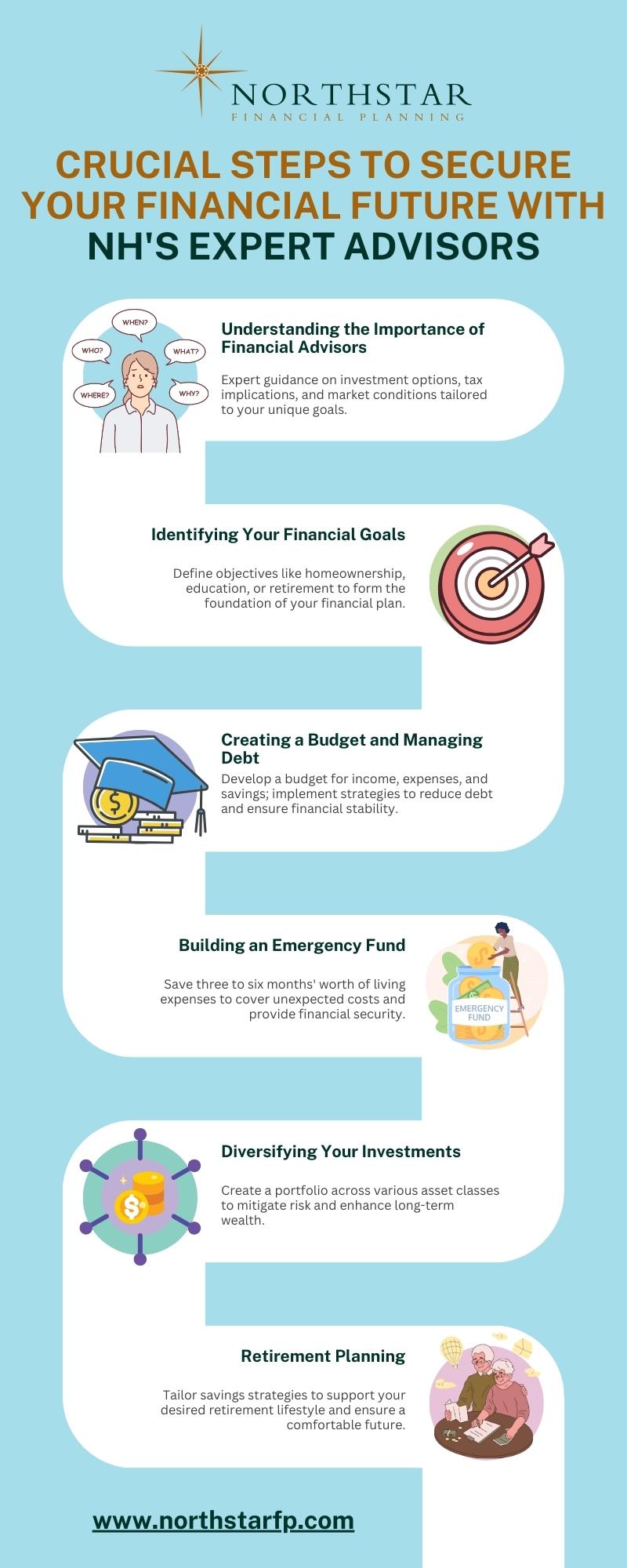
Understanding Diversification Strategies for a Secure Retirement
To build a secure retirement portfolio, understanding the power of diversification is crucial. Diversification is not just a buzzword; it’s a strategy that can significantly reduce risk while maximizing potential returns. The core idea is to spread your investments across various asset classes, industries, and geographic regions. This approach helps cushion your portfolio against market volatility, as different investments often react differently to economic shifts.
- Stocks and Bonds: Balancing these two can provide both growth and stability. Stocks offer higher potential returns, while bonds can provide a steady income and reduce overall volatility.
- Real Estate: Consider including Real Estate Investment Trusts (REITs) for exposure to the property market without the need to manage physical properties.
- International Markets: Investing in foreign markets can offer growth opportunities that are not available domestically, helping to hedge against local economic downturns.
- Alternative Investments: Explore options like commodities, hedge funds, or private equity, which can provide returns uncorrelated with traditional markets.
By adopting a diversified investment strategy, you can position your retirement savings to withstand market fluctuations, ensuring a more stable financial future.

Exploring Tax-Advantaged Accounts for Enhanced Savings Growth
When planning for retirement, leveraging tax-advantaged accounts can significantly enhance the growth of your savings. These accounts offer unique benefits that can help maximize your investment returns over time. Here are some key types of tax-advantaged accounts to consider:
- 401(k) Plans: Offered by many employers, these plans allow you to contribute pre-tax dollars, reducing your taxable income for the year. Employers often match a portion of your contributions, providing an immediate return on your investment.
- Roth IRA: Contributions are made with after-tax dollars, but withdrawals, including earnings, are tax-free during retirement. This can be particularly advantageous if you expect to be in a higher tax bracket in the future.
- Traditional IRA: Like a 401(k), contributions may be tax-deductible, and investments grow tax-deferred until withdrawal. This can be a strategic choice if you anticipate being in a lower tax bracket upon retirement.
By utilizing these accounts, you not only benefit from tax savings but also potentially amplify your retirement funds through compounded growth. Strategically selecting the right combination based on your financial situation and retirement goals is crucial for maximizing your long-term savings potential.

Evaluating Real Estate Investments for Long-Term Wealth Accumulation
Investing in real estate can be a cornerstone strategy for building substantial wealth over the long term. When assessing potential real estate investments, it’s crucial to consider a variety of factors to ensure that your investment aligns with your retirement savings goals. Here are key elements to evaluate:
- Location: The property’s location can significantly influence its value and rental potential. Opt for areas with strong economic growth, low crime rates, and access to amenities.
- Market Trends: Analyze current and projected real estate trends in the area. Understanding these trends helps in predicting future appreciation and demand.
- Cash Flow: Ensure that the property will generate positive cash flow after accounting for expenses like mortgage payments, taxes, and maintenance. A steady cash flow can support your retirement income.
- Property Condition: Evaluate the current state of the property and any potential renovation costs. A well-maintained property can reduce unexpected expenses and attract quality tenants.
- Tax Benefits: Real estate investments offer various tax advantages, including deductions for mortgage interest, property taxes, and depreciation. Leverage these to maximize your returns.
By diligently assessing these factors, you can identify real estate investments that not only preserve capital but also enhance your portfolio’s growth, ensuring a robust financial foundation for your retirement.

Harnessing the Power of Compound Interest Through Index Funds
One of the most effective strategies for maximizing long-term retirement savings is leveraging the magic of compound interest through index funds. These funds, which aim to replicate the performance of a specific market index, offer a hands-off approach to investing. By reinvesting dividends and allowing returns to generate further returns, compound interest exponentially grows your wealth over time. This strategy requires patience and a long-term vision, but the rewards can be substantial.
- Diversification: Index funds provide broad market exposure, reducing the risk associated with investing in individual stocks.
- Low Costs: With lower management fees compared to actively managed funds, more of your money stays invested and working for you.
- Consistency: Regular investments, even small amounts, can significantly increase the compounding effect over decades.
By choosing index funds as a core component of your retirement strategy, you harness the full potential of compound interest, ensuring a robust and resilient portfolio that can withstand market fluctuations while steadily growing your savings.