

In today’s fast-paced world, managing household expenses efficiently is not just a matter of choice, but a necessity. With the rising cost of living and unexpected financial demands, finding quick and effective ways to save money on everyday household expenses is crucial for maintaining financial stability. This article serves as your comprehensive guide, offering authoritative strategies that can be implemented immediately to reduce your spending without compromising on quality or comfort. From energy-saving tips to savvy shopping techniques, these expert recommendations are designed to empower you to take control of your finances and achieve greater economic resilience. Embrace these proven methods and start transforming your household budget today.
Cut Utility Costs with Smart Technology
Integrating smart technology into your home is a savvy strategy to slash those hefty utility bills. By automating and optimizing energy consumption, smart devices can help you make informed decisions that translate into real savings. Consider these practical implementations:
- Smart Thermostats: These devices learn your schedule and preferences, adjusting temperatures accordingly to reduce unnecessary heating or cooling when you’re not home.
- LED Smart Bulbs: They not only consume less energy than traditional bulbs but can also be scheduled or controlled remotely to ensure lights are only on when needed.
- Smart Plugs: These allow you to monitor and control power usage for any device plugged into them, helping you eliminate phantom energy draw from electronics left on standby.
Implementing these technologies not only contributes to a greener environment but also ensures a more efficient household, making every penny count.
Optimize Grocery Shopping with Strategic Planning
Transform your grocery shopping experience by incorporating strategic planning into your routine. Begin by creating a detailed shopping list based on a weekly meal plan. This not only ensures you buy only what’s necessary but also minimizes impulse purchases. Always keep an eye out for discounts and promotions. Many grocery stores offer loyalty programs that can save you a substantial amount over time. Additionally, consider buying in bulk for items that have a long shelf life or can be frozen.
Another key strategy is to utilize store brands instead of name brands. Often, these products are of comparable quality but at a fraction of the price. Here’s a quick checklist to keep in mind:
- Set a Budget: Know how much you can spend and stick to it.
- Use Coupons Wisely: Combine them with sales for maximum savings.
- Avoid Shopping on an Empty Stomach: It can lead to unnecessary purchases.
- Compare Prices: Use apps or websites to find the best deals.

Revamp Home Maintenance for Cost Efficiency
Achieving cost efficiency in home maintenance doesn’t have to be a daunting task. By implementing some strategic changes, you can significantly reduce your household expenses. Start by conducting a thorough inspection of your home to identify areas that require immediate attention. This proactive approach helps in preventing minor issues from escalating into costly repairs. Additionally, consider adopting a seasonal maintenance schedule to keep track of routine tasks like gutter cleaning and HVAC servicing, which can enhance the longevity of your home systems.
- Switch to energy-efficient appliances: Replacing outdated appliances with energy-efficient models can lead to substantial savings on your electricity bills.
- Seal air leaks: Inspect your home for any gaps or cracks around windows and doors, and use caulk or weatherstripping to prevent energy loss.
- Optimize water usage: Install low-flow fixtures and repair leaks promptly to reduce water consumption and lower your water bill.
- Regularly maintain HVAC systems: Clean or replace air filters monthly and schedule annual professional maintenance to ensure optimal performance and efficiency.
These adjustments not only save money but also contribute to a more sustainable household, benefiting both your wallet and the environment. Embrace these practices and witness a noticeable decrease in your monthly expenses.
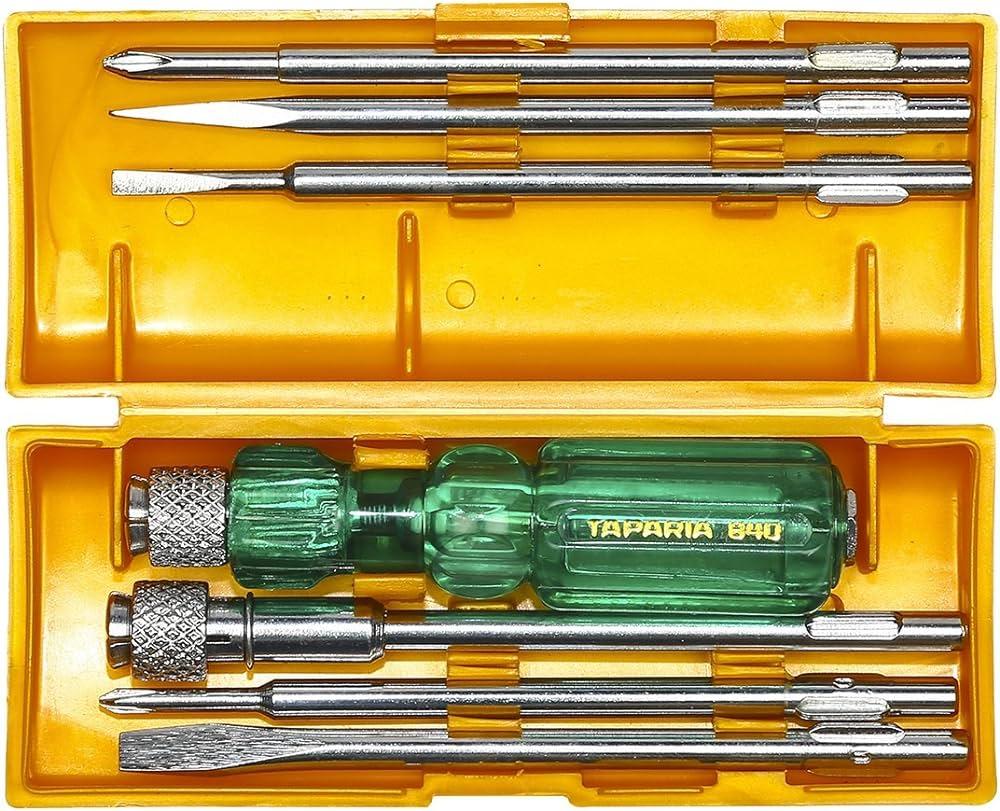
Master the Art of DIY Home Projects
Embrace the thrill of rolling up your sleeves and tackling home projects yourself to see significant savings on your household expenses. The first step is to assess your current home maintenance needs and identify tasks you can handle without professional help. From patching up drywall to fixing leaky faucets, many repairs require only a modest investment in tools and materials, which quickly pays off compared to hiring a contractor.
- Repurpose Old Materials: Before purchasing new items, look around your home for materials that can be reused. Old wood can become shelving, and leftover paint can give furniture a fresh look.
- Learn Basic Skills: Invest time in learning fundamental skills like painting, tiling, and basic carpentry. Online tutorials and DIY workshops are excellent resources.
- Energy Efficiency Upgrades: Simple projects like sealing windows or installing LED bulbs can significantly reduce energy bills.
By mastering these techniques, you not only enhance your home but also cultivate a skill set that empowers you to manage future repairs with confidence and financial savvy.