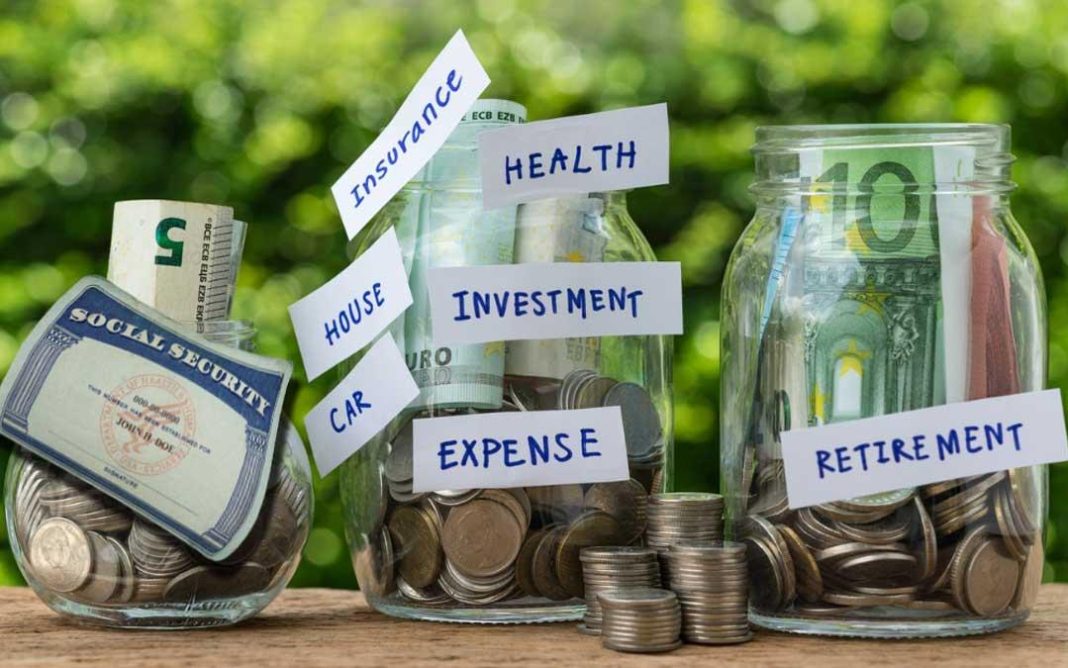

In today’s fast-paced financial landscape, managing debt while trying to save money can seem like an insurmountable challenge. Yet, with the right strategies and a disciplined approach, it’s entirely possible to achieve both goals simultaneously. This guide is designed to empower you with practical and effective techniques to not only tackle your debt head-on but also build a robust savings cushion along the way. Whether you’re grappling with student loans, credit card balances, or a hefty mortgage, understanding how to balance repayment with saving is crucial for long-term financial health. Dive in, and discover how you can take control of your financial future with confidence and ease.
Craft a Realistic Budget and Stick to It
When it comes to managing your finances effectively, establishing a realistic budget is crucial. Start by evaluating your monthly income and listing all your necessary expenses. Consider categories such as housing, utilities, groceries, transportation, and minimum debt payments. Be honest about your spending habits and ensure that every dollar has a designated purpose. This approach not only helps you see where your money is going but also highlights areas where you can cut back.
- Track Your Spending: Use apps or spreadsheets to monitor your daily expenses. This practice keeps you accountable and aware of your spending patterns.
- Prioritize Debt Repayment: Allocate a portion of your budget specifically for debt payments, aiming to pay more than the minimum when possible.
- Set Aside Savings: Even while paying off debt, it’s essential to build an emergency fund. Start small and gradually increase your savings contributions as your debt decreases.
- Review and Adjust: Regularly review your budget to ensure it aligns with your financial goals and make adjustments as needed.
Sticking to a budget requires discipline, but the rewards of financial stability and debt freedom make the effort worthwhile. By maintaining a clear and structured financial plan, you set the stage for long-term success and peace of mind.

Identify and Eliminate Unnecessary Expenses
One of the most effective strategies to save money while managing debt is to scrutinize your spending habits and pinpoint areas where you can cut back. Begin by examining your monthly bank statements to identify patterns. Are you frequently dining out or indulging in daily coffee runs? These seemingly small expenses can accumulate quickly. Consider preparing meals at home and brewing your own coffee to save a significant amount over time.
- Subscriptions: Cancel any subscriptions or memberships that you rarely use. Whether it’s a gym membership, streaming service, or magazine subscription, these costs add up.
- Utilities: Be mindful of your utility usage. Simple actions like turning off lights when not in use or reducing water usage can lower your bills.
- Impulse Purchases: Avoid impulse buying by setting a waiting period before making non-essential purchases. This gives you time to consider if the item is truly necessary.
By identifying these unnecessary expenses, you can redirect those funds towards debt repayment, helping you reach your financial goals faster.

Prioritize High-Interest Debt for Faster Savings
When tackling debt, a strategic approach can save you time and money. One of the most effective strategies is to focus on high-interest debt first. This means directing your extra payments towards loans or credit cards with the highest interest rates. By doing so, you’ll reduce the amount of interest you pay over time, freeing up more money for savings or other financial goals.
- Identify Your High-Interest Debts: List all your debts along with their interest rates. Credit cards and payday loans often top the list.
- Redirect Payments: Make minimum payments on lower-interest debts and allocate additional funds to your high-interest balances.
- Track Your Progress: Regularly review your debt repayment to stay motivated and make adjustments as needed.
By prioritizing these costly debts, you’re not just reducing your financial burden but also paving the way for faster savings. This approach allows you to harness the power of compounding savings, as less money spent on interest means more can be put away for the future.

Leverage Side Hustles to Accelerate Debt Repayment
Unlock the potential of side hustles to supercharge your journey towards debt freedom. With the gig economy booming, opportunities abound to earn extra cash without sacrificing your primary job. Consider options like freelance writing, graphic design, or tutoring, all of which allow you to capitalize on existing skills. Platforms like Upwork and Fiverr offer a flexible schedule, enabling you to work as much or as little as you need. Remember, every dollar earned is a step closer to being debt-free.
- Identify your skills: Assess what talents you can monetize.
- Explore platforms: Sign up on websites like TaskRabbit, Etsy, or even local Facebook groups.
- Manage your time: Allocate specific hours for your side hustle to maintain a work-life balance.
- Set clear goals: Use your side hustle earnings specifically for debt repayment to maximize impact.
By strategically choosing a side hustle, you can significantly boost your income and accelerate debt repayment, turning your financial goals into a reality faster than you might have imagined.