

In today’s fast-paced world, where instant gratification often takes precedence, maintaining focus on long-term financial goals can seem like a daunting task. Yet, the ability to stay committed to these goals is crucial for securing a stable and prosperous future. Whether you’re aiming to buy a home, retire comfortably, or build a robust investment portfolio, the journey requires discipline, patience, and strategic planning. This article will guide you through practical steps and insightful strategies to help you remain steadfast on your financial path. With confidence and clarity, we will explore how to prioritize your financial objectives, navigate potential distractions, and consistently make decisions that align with your long-term vision. By mastering these skills, you can transform your financial aspirations into tangible achievements, ensuring that your future is as secure as you envision it to be.
Establish Clear and Achievable Financial Milestones
To maintain momentum on your financial journey, it’s crucial to set clear and realistic benchmarks that act as guideposts. Identify specific milestones that align with your long-term objectives, such as saving for a down payment on a house, building an emergency fund, or investing for retirement. By breaking down these larger goals into manageable steps, you not only make them less daunting but also more attainable. This approach transforms an overwhelming ambition into a series of achievable tasks.
- Prioritize your goals: Determine which financial targets are most critical to your overall strategy.
- Set timelines: Assign realistic deadlines for each milestone to create a sense of urgency and accountability.
- Track your progress: Regularly review your achievements to ensure you’re on the right path and adjust your strategies as needed.
Remember, each small victory brings you closer to your ultimate financial aspirations. By methodically planning and celebrating incremental successes, you maintain focus and motivation, ensuring that your long-term financial goals remain within reach.
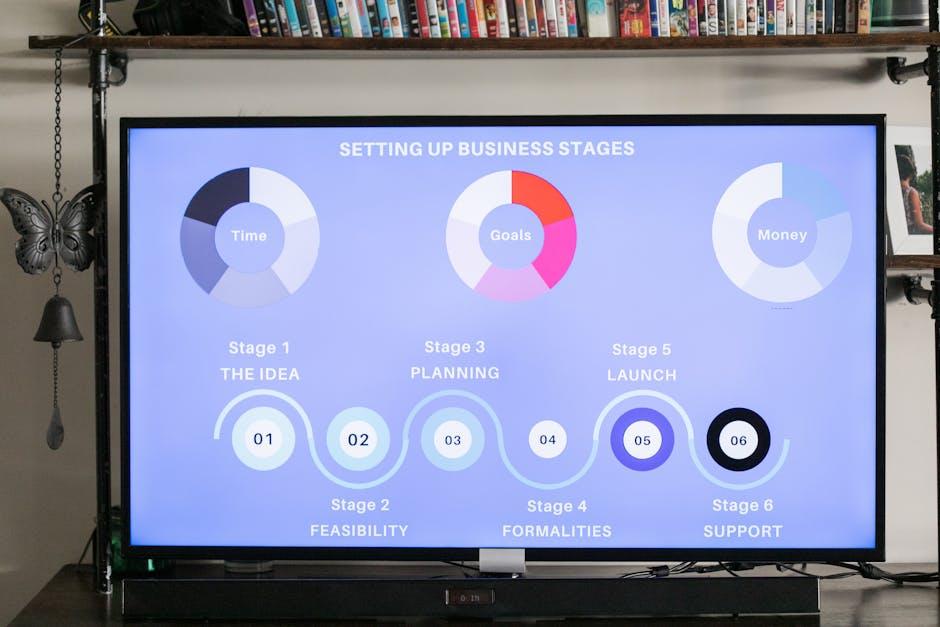
Develop a Strategic Financial Plan with Built-in Flexibility
To ensure your financial journey is resilient and adaptive, it’s crucial to embed flexibility within your strategic financial plan. This approach not only prepares you for unexpected challenges but also allows you to capitalize on unforeseen opportunities. Here are some key elements to consider:
- Emergency Fund: Establish a robust emergency fund to cushion against unforeseen expenses, ensuring that your long-term goals remain unaffected by short-term disruptions.
- Diversification: Spread your investments across various asset classes. This diversification minimizes risk and offers flexibility in responding to market fluctuations.
- Regular Reviews: Schedule periodic financial reviews. These check-ins allow you to adjust your plan based on life changes or shifts in financial priorities.
- Contingency Planning: Develop a contingency plan for significant life events like job loss or major health issues. Having a plan in place ensures you can pivot without derailing your financial goals.
By integrating these elements, your financial strategy will not only withstand the test of time but will also adapt to life’s inevitable changes, keeping you firmly on the path to achieving your long-term financial aspirations.

Harness the Power of Automation for Consistent Progress
In today’s fast-paced world, leveraging automation is not just a convenience—it’s a necessity for staying on track with your financial aspirations. By utilizing automation, you can effortlessly manage your finances and ensure consistent progress towards your long-term goals. Start by setting up automatic transfers from your checking account to a dedicated savings or investment account. This ensures that you’re consistently contributing to your future, without the temptation to spend that money elsewhere.
Take advantage of budgeting apps that automatically categorize your expenses, providing you with real-time insights into your spending habits. This will help you identify areas where you can cut back and redirect funds towards your goals. Additionally, automate bill payments to avoid late fees and maintain a healthy credit score. Consider setting up investment automation through platforms that allow you to invest a set amount at regular intervals, capitalizing on dollar-cost averaging. These tools not only save time but also remove the guesswork, keeping you focused and disciplined in your financial journey.

Regularly Review and Adjust Your Financial Strategies
In the ever-evolving landscape of personal finance, staying on top of your financial strategies is crucial to maintaining alignment with your long-term goals. It’s essential to regularly examine and modify your financial plans to ensure they are still working effectively for you. Begin by setting a routine—perhaps quarterly or biannually—to evaluate your current financial situation. During these reviews, consider the following:
- Market Conditions: Are there significant changes in the economic environment that might impact your investments or savings plans?
- Life Changes: Have there been any personal milestones or lifestyle changes that require a shift in your financial priorities?
- Goal Progress: Are you on track to meet your financial goals? If not, identify what’s holding you back and make necessary adjustments.
By maintaining this proactive approach, you can effectively navigate any obstacles that arise and continue to build a robust financial future. Remember, flexibility is key—your financial strategy should be a living document, adapting as your life and the world around you change.