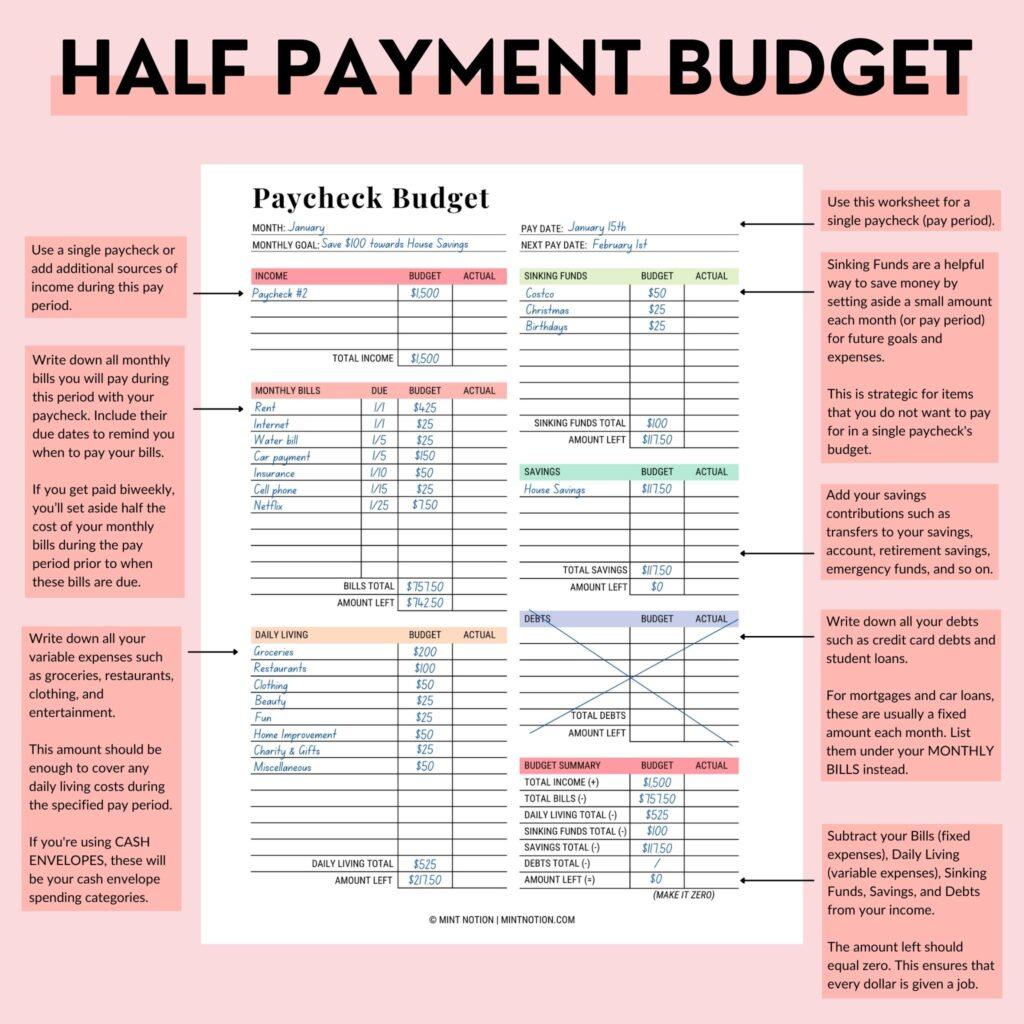

In today’s fast-paced world, managing household finances can often feel like a daunting task, yet it is a crucial skill that every family must master to ensure financial stability and peace of mind. With the cost of living continually on the rise, adopting effective budgeting strategies is more important than ever. This article serves as your authoritative guide to the essential budgeting hacks every family needs to know. From creating a realistic spending plan to maximizing savings without sacrificing quality of life, we delve into practical, tried-and-tested methods that will empower your family to take control of your financial future. Prepare to transform your approach to budgeting with these indispensable tips that will not only enhance your financial literacy but also pave the way for a more secure and prosperous household.
Mastering Meal Planning to Slash Grocery Bills
Elevate your financial savvy by embracing the art of meal planning, a skill that promises to cut down those daunting grocery expenses. Start by assessing your family’s eating habits and preferences, which will allow you to craft a weekly menu that minimizes waste and maximizes taste. Inventory your pantry to avoid buying duplicates and to creatively use what you already have. As you plan, focus on versatile ingredients that can be transformed into multiple meals, ensuring nothing goes to waste.
- Batch Cooking: Prepare larger quantities of staple foods like rice, beans, or roasted vegetables that can be used in different dishes throughout the week.
- Theme Nights: Designate specific days for themes like pasta night or taco Tuesday to streamline ingredient purchases.
- Seasonal Shopping: Buy produce that is in season for both cost savings and freshness.
- Leftover Strategy: Plan meals that incorporate leftovers to reduce waste and save time.
Incorporating these strategies not only slashes grocery bills but also brings a sense of order and efficiency to your kitchen. By being proactive and intentional with your meal planning, you’ll find that your budget stretches further, allowing you to focus on quality and nutrition without breaking the bank.

Effective Strategies for Reducing Monthly Utility Costs
Managing utility costs can significantly ease the strain on your family’s budget. Begin by conducting a thorough energy audit of your home. Identify energy vampires—devices that consume power even when not in use—and unplug them. This simple act can lead to noticeable savings. Additionally, consider investing in energy-efficient appliances and LED lighting. These upgrades, though initially costly, offer long-term reductions in energy bills.
- Smart Thermostat Installation: Program your thermostat to reduce heating or cooling when you’re not at home. This can lower energy usage significantly without sacrificing comfort.
- Water Conservation Techniques: Implement low-flow showerheads and faucet aerators. These reduce water usage without compromising on performance.
- Peak-Time Awareness: Some utility companies offer lower rates during off-peak hours. Adjust your usage patterns to take advantage of these savings.
These strategic changes not only decrease monthly expenses but also contribute to a more sustainable household. Prioritize these measures to witness a substantial impact on your utility bills.

Smart Approaches to Family Entertainment on a Budget
Engaging your family in fun activities doesn’t have to break the bank. Start by exploring local parks and nature trails, which often offer free access and provide an excellent setting for picnics, hikes, or bike rides. Many communities also host free events, such as outdoor movie nights or seasonal festivals, which can be both entertaining and budget-friendly. Libraries are another fantastic resource, frequently offering complimentary workshops, story hours, and even access to digital media like audiobooks and movies.
- DIY Movie Nights: Transform your living room into a cozy theater. Use homemade popcorn, blankets, and a family-friendly movie. You can even rotate the choice of film among family members to keep it exciting.
- Board Game Bonanza: Dust off those board games and host a game night. Encourage family members to take turns picking their favorite game, adding variety and ensuring everyone has a chance to shine.
- Cooking Together: Plan a cooking day where everyone participates in making a meal. Not only is it a fun way to bond, but it also teaches valuable culinary skills.

Optimizing Savings with Family-Friendly Financial Apps
In today’s digital age, leveraging family-friendly financial apps can transform how families manage their finances. These apps are designed to make budgeting not only easier but also more collaborative and educational. Many of these tools offer features that cater specifically to family needs, ensuring that everyone from parents to kids can participate in the financial planning process. Family budgeting apps can help streamline expenses, track savings goals, and even manage allowances for children. By using these apps, families can ensure that financial literacy becomes a shared journey.
- Shared Expense Tracking: Choose apps that allow multiple users to input expenses, making it easier to track where the family’s money is going.
- Automated Savings Goals: Set up automatic transfers to savings accounts for specific goals, such as a family vacation or college fund.
- Parental Controls: Utilize apps with parental controls to teach kids about budgeting without giving them full access to family finances.
- Educational Resources: Select platforms that offer tutorials or financial education modules to help the whole family learn about money management.
Integrating these features into your financial routine can significantly enhance your family’s budgeting strategy, ensuring everyone is aligned and informed. As technology continues to evolve, so too do the opportunities for families to optimize their savings and achieve their financial goals together.