

Planning for retirement can often feel like a daunting task, especially when juggling the myriad of expenses that come with raising a family. From mortgage payments and utility bills to education costs and healthcare, it may seem nearly impossible to set aside funds for your future. However, with strategic planning and disciplined financial management, you can successfully balance your immediate family obligations while building a robust nest egg for your retirement. In this guide, we’ll explore practical steps and effective strategies to help you prioritize savings without compromising your family’s needs, empowering you to secure a financially stable and fulfilling retirement.
Assessing Your Financial Landscape to Balance Retirement and Family Needs
Understanding your financial landscape is pivotal in navigating the delicate balance between saving for retirement and meeting family needs. Begin by evaluating your current financial situation, taking stock of all sources of income, and categorizing your expenses. This will allow you to identify areas where you can cut back and allocate more funds toward retirement savings. Consider using budgeting tools or apps that can help you visualize your cash flow and pinpoint unnecessary expenditures.
Key steps to assess your financial landscape:
- Track Income and Expenses: Document all income streams and monthly expenses to understand where your money goes.
- Identify Priorities: Determine which family expenses are essential and which can be adjusted or postponed.
- Set Clear Goals: Define your retirement savings target and align it with family financial goals.
- Review and Adjust Regularly: Make it a habit to review your financial plan periodically to adapt to changing circumstances.
By meticulously assessing your financial landscape, you can create a balanced approach that supports both your retirement objectives and family commitments.

Crafting a Practical Budget that Prioritizes Long-Term Savings
When striving to balance family expenses with saving for retirement, it’s crucial to devise a budget that prioritizes long-term financial health. Start by clearly defining your savings goals and incorporating them into your budget as non-negotiable expenses. This means treating your retirement contributions with the same importance as your mortgage or utility bills. Utilize the 50/30/20 rule as a flexible guide: allocate 50% of your income to necessities, 30% to discretionary spending, and 20% to savings. Adjust these percentages as needed, with a focus on maximizing the savings portion.
Implement practical strategies to bolster your savings potential while managing day-to-day family costs. Consider the following approaches:
- Automate savings: Set up automatic transfers to your retirement account to ensure consistent contributions.
- Review and cut expenses: Regularly assess your spending habits to identify areas where you can cut back, such as dining out or subscription services.
- Increase income streams: Explore side hustles or freelance opportunities to boost your income and accelerate your savings.
- Take advantage of employer benefits: Maximize any available employer retirement matching programs to enhance your savings without additional strain on your budget.
By adopting a disciplined approach and making informed financial choices, you can effectively manage family expenses while steadily building your retirement nest egg.

Maximizing Retirement Contributions Without Compromising Daily Expenses
Strategically planning your retirement savings is crucial, especially when juggling the myriad of family expenses that arise daily. One effective approach is to prioritize your retirement contributions by utilizing employer-sponsored plans like a 401(k). By contributing a percentage of your salary before it hits your bank account, you’re not only saving but also reducing your taxable income. If your employer offers matching contributions, aim to contribute at least enough to maximize this benefit—it’s essentially free money.
Another method to ensure your retirement savings stay on track is to adopt a flexible budgeting strategy. Consider implementing a zero-based budget where every dollar has a designated purpose. This allows you to clearly see where adjustments can be made. Explore these options to free up funds for retirement without squeezing your daily expenses too tightly:
- Cut unnecessary subscriptions: Review your monthly subscriptions and cancel those that are seldom used.
- Meal planning: Save on groceries by planning meals weekly and reducing food waste.
- Automate savings: Set up automatic transfers to your retirement account, treating it like a non-negotiable expense.
By implementing these strategies, you can effectively balance retirement savings with everyday financial obligations, securing your future without sacrificing your present quality of life.
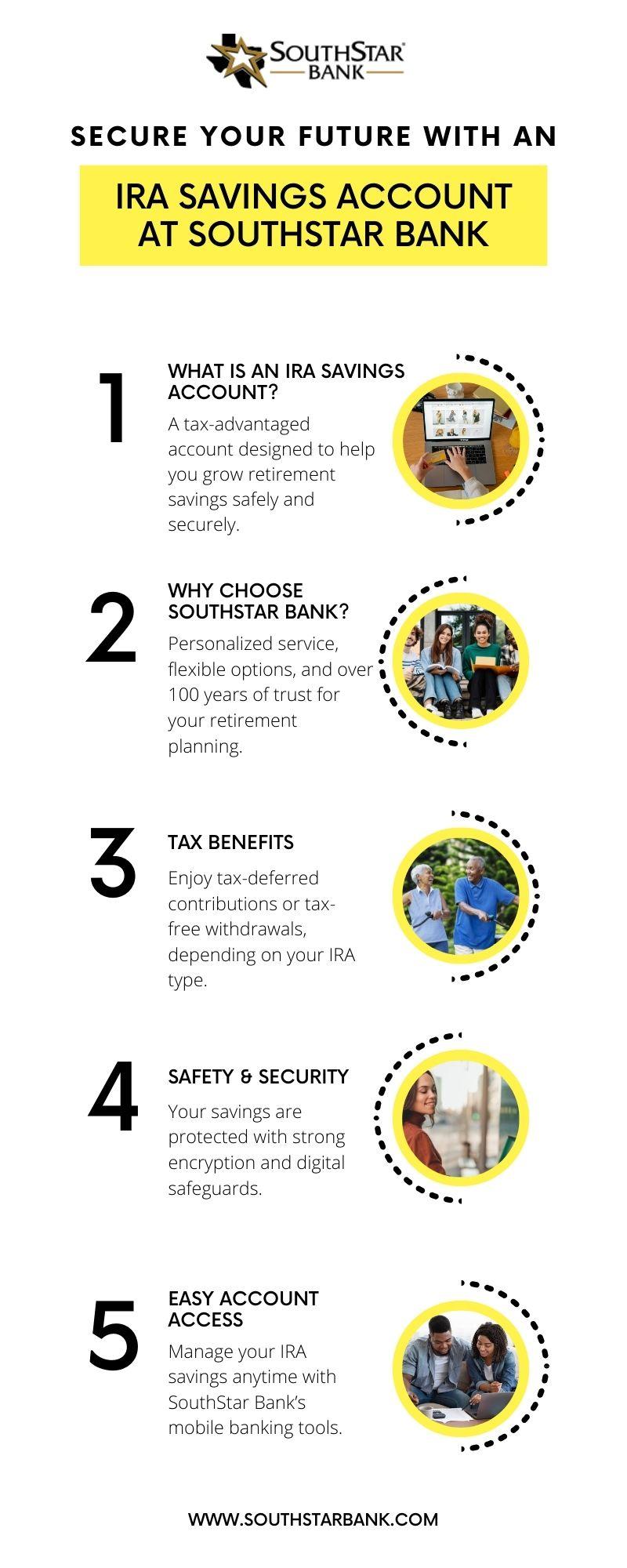
Leveraging Tax-Advantaged Accounts for Optimal Savings Growth
Maximizing your savings potential involves strategically utilizing accounts that offer tax benefits. Tax-advantaged accounts like 401(k)s, IRAs, and HSAs not only help in accumulating retirement savings but also provide immediate tax relief. Here’s how you can optimize these accounts to manage family expenses while ensuring a secure financial future:
- 401(k) Contributions: Take advantage of employer matches by contributing at least the minimum percentage required to receive full benefits. This essentially acts as free money, accelerating your savings growth.
- Traditional IRA: Contributions may be tax-deductible, which can lower your taxable income. This is particularly beneficial during high-expense years, offering a buffer against financial strain.
- Roth IRA: While contributions are made with after-tax dollars, withdrawals in retirement are tax-free, providing a stable income stream without tax implications when you need it most.
- Health Savings Account (HSA): If eligible, consider this triple tax-advantaged account. Contributions are tax-deductible, grow tax-free, and can be withdrawn tax-free for qualified medical expenses, thus easing the burden of unexpected healthcare costs.
By integrating these tax-advantaged accounts into your savings strategy, you can manage family expenses more effectively while setting a strong foundation for retirement. This approach ensures that you’re not only saving but also maximizing the growth potential of your investments.