

Planning for retirement is a crucial step in ensuring financial security and peace of mind for the future, but for single income families, the path can appear particularly challenging. Balancing day-to-day expenses while saving for the golden years requires a strategic approach tailored to the unique dynamics of relying on one source of income. This article aims to demystify the process by providing a comprehensive guide to the best retirement planning strategies specifically designed for single income families. With confidence and clarity, we will explore actionable insights and expert tips that empower you to build a robust retirement plan, safeguard your financial future, and achieve long-term goals, all while maintaining the lifestyle you cherish today.
Understanding the Unique Challenges Faced by Single Income Families
Single income families often encounter a distinctive set of challenges that require careful financial navigation. The absence of a secondary income can make it more difficult to absorb unexpected expenses or financial setbacks. This can lead to increased financial stress, particularly when planning for long-term goals like retirement. These families must often prioritize essential expenses, which can leave little room for retirement savings. Moreover, the burden of financial responsibility often rests on one individual, increasing the pressure to ensure that every dollar is maximized effectively.
Understanding these challenges is the first step toward crafting a robust retirement strategy. Consider the following elements to strengthen your financial plan:
- Emergency Fund: Prioritize building an emergency fund to cover at least three to six months of living expenses, providing a buffer against unexpected financial strains.
- Budgeting: Develop a detailed budget that accounts for all household expenses, ensuring that there is a consistent allocation towards retirement savings.
- Insurance: Secure adequate life and disability insurance to protect against loss of income, safeguarding your family’s financial future.
- Investment: Explore diverse investment options to grow your savings, considering both short-term and long-term vehicles to balance risk and reward.

Crafting a Budget That Maximizes Savings Potential
Building a budget that truly enhances your savings requires a strategic approach, especially for single-income families. Begin by identifying your essential expenses and distinguishing them from discretionary spending. This clarity helps in prioritizing your financial goals. Consider implementing the 50/30/20 rule, where 50% of your income is allocated to necessities, 30% to wants, and 20% to savings. This not only ensures a balanced lifestyle but also steadily increases your savings.
- Automate Savings: Set up automatic transfers to your savings account to ensure consistent contributions.
- Reduce Unnecessary Expenses: Analyze monthly expenses and cut down on non-essential services.
- Emergency Fund: Establish a fund that covers 3-6 months of living expenses to safeguard against unforeseen events.
Furthermore, exploring community resources such as free financial workshops or online tools can offer additional guidance. By keeping a vigilant eye on your financial health and making informed adjustments, single-income families can navigate the path to a secure retirement.

Exploring Investment Options for Long-Term Growth
For single income families aiming for robust financial futures, it’s crucial to consider diverse investment avenues that align with long-term growth objectives. Diversification is key; spreading investments across different asset classes can help mitigate risks. Consider the following strategies:
- Stocks and Equity Funds: Historically, equities have offered significant growth potential. While they’re volatile, investing in a diversified portfolio of stocks or mutual funds can provide a solid foundation for future wealth.
- Real Estate: Investing in property can be a lucrative option for long-term growth. Real estate often appreciates over time and can provide a passive income stream through rentals.
- Retirement Accounts: Maximize contributions to retirement accounts such as 401(k)s or IRAs. These tax-advantaged accounts are designed to grow your nest egg over the decades.
- Bonds and Fixed Income Securities: These offer more stability and lower risk compared to stocks, making them a crucial component of a balanced portfolio.
By strategically leveraging these investment options, single income families can build a resilient financial future, ensuring stability and growth as they work towards retirement.
Leveraging Tax-Advantaged Accounts for Retirement Security
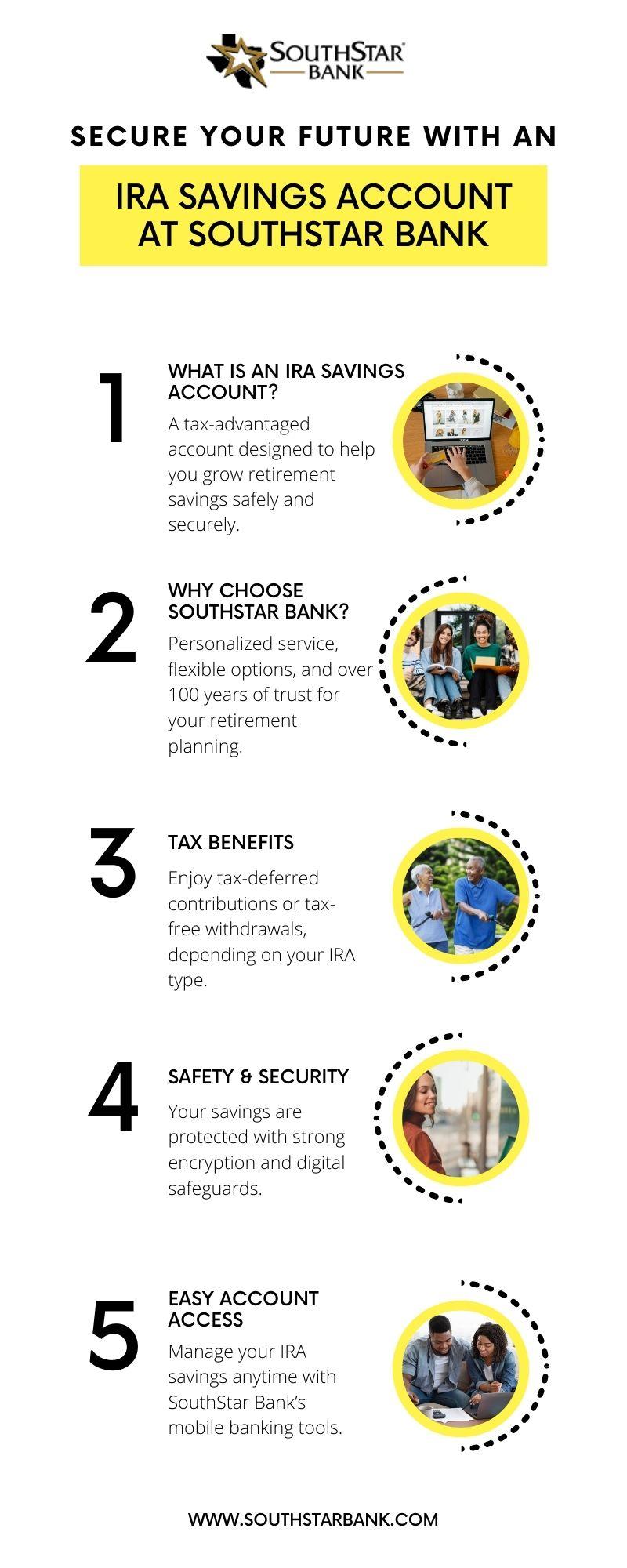
For single income families, maximizing retirement savings is crucial, and tax-advantaged accounts offer a strategic path to bolster financial security. Individual Retirement Accounts (IRAs) and 401(k) plans provide significant benefits, such as tax deductions, tax-deferred growth, and, in some cases, employer matching contributions. By contributing the maximum allowable amount each year, families can reduce their taxable income while simultaneously growing their retirement nest egg.
Consider the following strategies to make the most of these accounts:
- Prioritize contributions to your employer’s 401(k) plan, especially if they offer matching contributions. This is essentially free money that enhances your savings.
- Open a Roth IRA if eligible, as it offers tax-free withdrawals in retirement, providing flexibility and potentially lower tax liabilities.
- Explore spousal IRAs to take advantage of tax benefits even if one partner does not earn an income, ensuring both partners can contribute towards their retirement.
- Regularly review and adjust contributions to align with any changes in income or financial goals, ensuring you’re on track for a secure retirement.