

As you approach retirement, the anticipation of newfound freedom and leisure is often tempered by the realities of financial planning. One of the most pressing concerns for retirees today is managing the rising costs that can accompany this stage of life. From healthcare expenses to daily living costs, the financial landscape can shift unpredictably, demanding a proactive approach to ensure a comfortable and secure retirement. In this article, we will guide you through essential strategies to anticipate and plan for these rising costs, empowering you to make informed decisions and protect your financial well-being. By understanding the potential challenges and exploring effective solutions, you can confidently navigate the complexities of retirement planning and enjoy the peace of mind that comes with financial preparedness.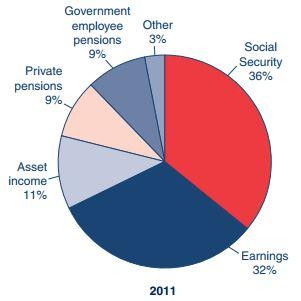
Evaluating Your Retirement Income Sources
As you embark on planning for retirement, it’s crucial to conduct a thorough evaluation of your income sources to ensure they will sustain you through fluctuating economic conditions. Begin by assessing your Social Security benefits. Understand the age at which you start claiming benefits can significantly impact the monthly amount you’ll receive. Consider delaying your claim to increase your benefits if your financial situation allows. Additionally, examine your pension plans if available, understanding the terms and any potential adjustments that may affect your payouts over time.
Beyond these, it’s wise to diversify your income streams. Consider the following:
- Investments: Evaluate the performance of your stocks, bonds, and mutual funds. Ensure your portfolio is diversified to mitigate risks.
- Real Estate: Rental properties can provide a steady income, but be mindful of market fluctuations and maintenance costs.
- Annuities: Explore fixed or variable annuities as a way to secure a guaranteed income stream.
By strategically assessing and managing these sources, you’ll be better equipped to handle the financial demands of retirement, even as costs rise.
Strategies for Managing Healthcare Expenses
To effectively manage healthcare expenses during retirement, it’s crucial to implement a combination of proactive and adaptive strategies. Start by investing in a comprehensive health insurance plan that fits your specific needs. Consider options like Medicare supplements or long-term care insurance to cover potential gaps. Regularly review your coverage to ensure it aligns with your health status and any changes in policy terms. It’s equally important to establish a dedicated health savings account (HSA) or similar financial buffer. This will not only provide immediate relief for unexpected costs but also ensure long-term security.
Additional strategies include:
- Prioritize Preventive Care: Regular check-ups and screenings can catch potential health issues early, potentially reducing treatment costs.
- Negotiate Medical Bills: Don’t hesitate to discuss your bills with healthcare providers. They may offer payment plans or discounts.
- Utilize Generic Medications: Opt for generic drugs whenever possible to save on prescription costs.
- Explore Community Resources: Many communities offer free or reduced-cost health services for seniors.

Investing Wisely to Combat Inflation
When planning for retirement, it’s essential to make strategic investments that help protect your savings from the eroding effects of inflation. One effective approach is diversifying your portfolio with assets that historically outpace inflation. Consider including a mix of stocks, which have the potential for higher returns, and real estate, which often appreciates over time. Additionally, incorporating Treasury Inflation-Protected Securities (TIPS) can offer a reliable hedge, as they are designed to increase in value with inflation.
- Consider dividend-paying stocks: These can provide a steady income stream while potentially increasing in value.
- Invest in commodities: Assets like gold and oil often perform well during inflationary periods.
- Look into REITs (Real Estate Investment Trusts): They allow you to invest in real estate markets without owning physical property.
It’s also crucial to regularly review and adjust your investment strategy to align with changing economic conditions. Keeping a vigilant eye on market trends and being ready to adapt can ensure your retirement funds maintain their purchasing power, allowing you to enjoy your golden years with financial confidence.

Creating a Flexible Spending Plan
In retirement, it’s crucial to develop a spending plan that can adapt to fluctuating expenses. Start by assessing your essential and discretionary expenses. Essential expenses include housing, healthcare, and groceries, while discretionary expenses cover leisure activities and hobbies. Regularly review and adjust these categories to ensure your spending aligns with your financial goals and lifestyle changes.
Consider incorporating these strategies to enhance flexibility in your budget:
- Emergency Fund: Maintain a separate account for unexpected expenses to prevent disruptions to your monthly budget.
- Inflation Protection: Invest in assets that typically appreciate over time, like stocks or real estate, to help your savings keep pace with rising costs.
- Variable Spending: Allocate a portion of your budget for variable expenses, allowing you to adjust spending as needed without affecting your overall financial stability.
By strategically planning and implementing these tactics, you can navigate the uncertainties of rising costs with confidence and maintain a comfortable retirement lifestyle.