

Planning for retirement can often feel like navigating a complex financial maze, where the stakes are high and the path is fraught with uncertainty. Yet, securing a comfortable and worry-free retirement doesn’t have to involve high-risk gambles or sleepless nights over market volatility. By focusing on strategic, low-risk investment avenues, you can build a robust retirement portfolio that balances growth with security. This article will guide you through the best ways to invest for retirement while minimizing risk, empowering you to make informed decisions that align with your financial goals and peace of mind. Whether you’re just starting your retirement planning journey or looking to refine your strategy, these expert-backed insights will help you chart a course toward a stable and prosperous future.
Understanding Risk Tolerance and Diversification Strategies
To craft a retirement portfolio that balances growth with security, it’s crucial to understand your personal risk tolerance and how it aligns with diversification strategies. Risk tolerance is essentially your ability and willingness to endure market fluctuations. It varies from person to person and is influenced by factors such as age, income stability, and investment experience. By assessing your comfort with risk, you can tailor your investment choices to ensure you’re not exposed to unnecessary volatility.
Diversification is a powerful tool to manage risk without sacrificing potential returns. By spreading investments across a variety of asset classes, you can mitigate the impact of any single asset’s poor performance. Consider including a mix of the following in your portfolio:
- Stocks: Offer growth potential but come with higher volatility. Opt for a mix of large-cap, mid-cap, and international stocks.
- Bonds: Provide stability and regular income. Look for a balance between government and corporate bonds.
- Real Estate: Invest through REITs or direct property investments to add tangible assets to your portfolio.
- Commodities: Diversify further with gold, oil, or agricultural products, which often move independently of stocks and bonds.
By aligning your risk tolerance with a well-diversified portfolio, you can aim for a steady path to retirement that maximizes returns while minimizing unnecessary risks.

Exploring Low-Risk Investment Options for a Secure Future
When it comes to building a secure financial future, low-risk investment options offer peace of mind while still providing opportunities for growth. Diversification is key; spreading your investments across different asset classes can help mitigate risk. Consider allocating a portion of your portfolio to bonds, which are generally less volatile than stocks and can provide a steady stream of income. Index funds are another excellent choice, offering broad market exposure with typically lower fees than actively managed funds.
Certificates of Deposit (CDs) are a reliable option for those seeking fixed returns over a set period. They offer higher interest rates than traditional savings accounts, with the added benefit of being insured by the FDIC. Additionally, Treasury securities, such as T-bills, notes, and bonds, are backed by the U.S. government, making them one of the safest investments available. Lastly, consider a Roth IRA, which allows your investments to grow tax-free, providing a powerful tool for long-term wealth accumulation.
Maximizing Returns with Index Funds and Bonds
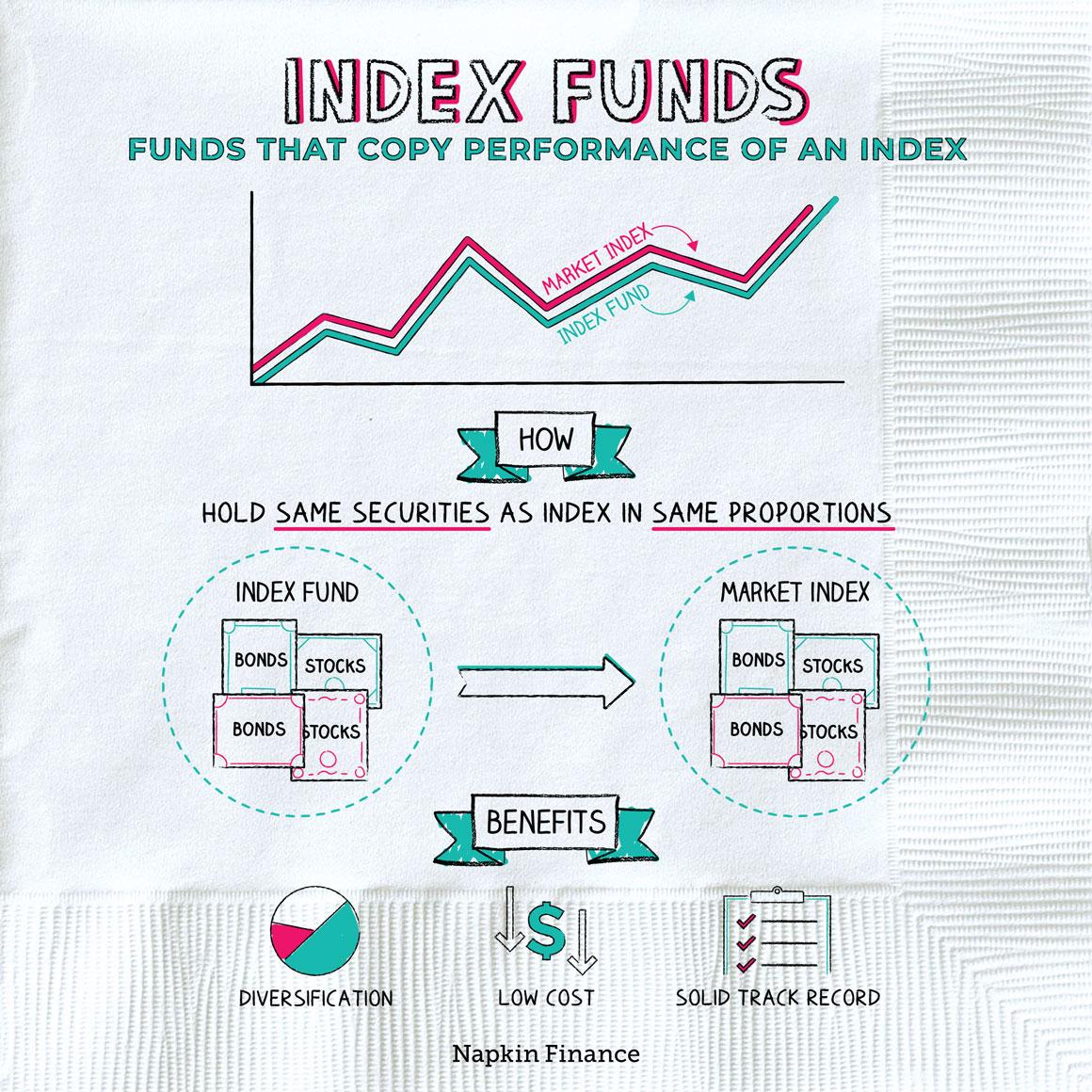
For those looking to balance growth and security in their retirement portfolio, a mix of index funds and bonds can be a powerful strategy. Index funds offer broad market exposure, low expense ratios, and a passive management style, making them an ideal choice for long-term investors. By investing in a variety of sectors and companies, they help mitigate the risk associated with individual stocks. On the other hand, bonds provide stability and predictable income, especially during market downturns. By incorporating bonds, you can cushion your portfolio against volatility, while still achieving a reasonable return.
- Diversification: Allocate a portion of your portfolio to both index funds and bonds to spread risk.
- Risk Tolerance: Adjust the ratio of stocks to bonds based on your comfort level with risk.
- Rebalancing: Regularly review and adjust your portfolio to maintain your desired asset allocation.
By strategically combining these investment vehicles, you can craft a retirement portfolio that not only maximizes returns but also aligns with your risk tolerance, ensuring peace of mind as you approach your golden years.

Harnessing the Power of Compound Interest for Long-Term Growth
When it comes to building a robust retirement fund, leveraging the magic of compound interest can be a game-changer. This financial phenomenon allows your investments to grow exponentially over time, as you earn returns not only on your initial investment but also on the accumulated interest. To maximize this growth, it’s crucial to start investing as early as possible and maintain a consistent contribution schedule. Consider focusing on investment vehicles that offer steady, long-term returns, such as index funds or bonds. These options tend to be less volatile compared to individual stocks, reducing the risk while still benefiting from the power of compounding.
- Index Funds: By investing in a broad market index, you can capture the overall growth of the market, with lower fees and reduced risk compared to actively managed funds.
- Bonds: These are typically safer than stocks and provide regular interest payments, which can be reinvested to harness compound interest.
To further optimize the compounding effect, reinvest any dividends or interest earned back into your portfolio. This reinvestment strategy allows your money to work harder for you, accelerating your journey towards a financially secure retirement.