

In today’s rapidly evolving economic landscape, the concept of generational wealth has emerged as a cornerstone for ensuring financial stability and prosperity across multiple family generations. As families strive to safeguard their financial futures, the creation of a robust family investment plan has become not only prudent but essential. This article delves into the strategic framework necessary for constructing a comprehensive family investment plan, designed to cultivate and preserve wealth that transcends time. By examining key investment principles, risk management strategies, and the importance of financial education, we aim to equip families with the tools needed to establish a legacy of enduring prosperity. With a confident and analytical approach, we will explore how thoughtful planning and disciplined execution can transform aspirations of generational wealth into a tangible reality.
Identifying Investment Goals and Risk Tolerance
Understanding the unique financial aspirations of your family is crucial in crafting a robust investment strategy. Start by clearly defining investment goals that align with your family’s long-term vision. These goals could range from funding higher education for future generations to ensuring a comfortable retirement or even establishing a charitable foundation. It’s important to categorize these objectives based on time frames: short-term, medium-term, and long-term. This will help in selecting appropriate investment vehicles and strategies.
Equally vital is assessing your family’s risk tolerance. Every family member might have a different appetite for risk, which needs to be balanced. Factors such as age, income stability, and existing financial obligations play a role in determining this. Consider the following when evaluating risk tolerance:
- Age and Time Horizon: Younger family members might afford higher risk for potential growth, whereas older members might prefer stability.
- Financial Obligations: Families with significant financial commitments may lean towards conservative investments.
- Psychological Comfort: How does your family react to market volatility? Emotional resilience is as important as financial resilience.
By aligning investment goals with risk tolerance, families can develop a balanced portfolio that supports the journey towards building generational wealth.
Selecting Diverse Asset Classes for Long-term Growth
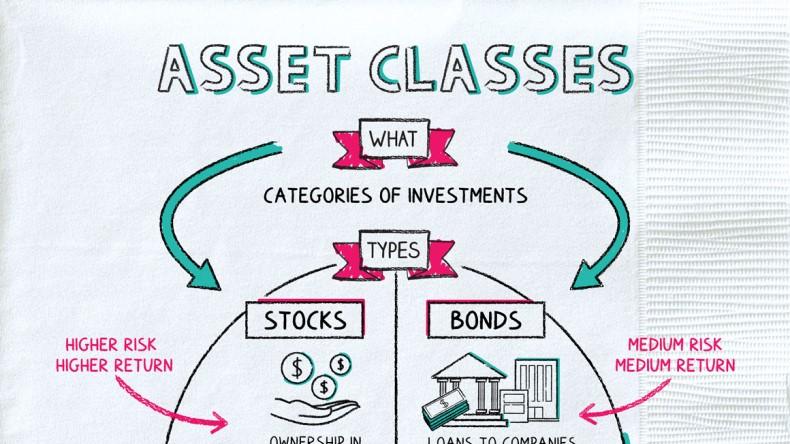
Building a robust investment portfolio that caters to long-term growth requires a strategic selection of diverse asset classes. By incorporating a variety of investment types, families can mitigate risks while maximizing potential returns. Equities are often the cornerstone of a growth-oriented portfolio, offering substantial returns over time through capital appreciation. Bonds, on the other hand, provide a steady income stream and act as a buffer against market volatility, making them a valuable addition for risk management.
Consider adding real estate for its dual benefit of appreciation and income generation, offering a tangible asset that can hedge against inflation. Commodities, like gold or oil, introduce another layer of diversification, often moving inversely to equities and providing protection during economic downturns. For those seeking modern investment opportunities, alternative assets such as private equity or venture capital can offer high returns, albeit with higher risk. A well-balanced portfolio often includes:
- Equities for growth potential
- Bonds for income and stability
- Real Estate for tangible asset value
- Commodities for inflation hedging
- Alternative Assets for high-risk, high-reward opportunities
By thoughtfully selecting and balancing these asset classes, families can craft an investment plan that not only aims for long-term growth but also sustains wealth across generations.

Strategic Estate Planning to Preserve Wealth Across Generations
To effectively ensure your family’s financial legacy, it’s crucial to develop a comprehensive plan that aligns with your long-term objectives. Start by assessing your current assets and identifying potential growth opportunities. Consider diversifying investments across various asset classes such as real estate, stocks, and bonds to mitigate risk and enhance returns. Collaborate with a financial advisor to tailor a strategy that reflects your family’s unique goals and values. Regularly reviewing and adjusting your plan is essential to respond to changing market conditions and personal circumstances.
- Identify Family Values and Goals: Determine the core values that guide your family’s financial decisions and the long-term goals you wish to achieve.
- Establish a Governance Structure: Create a decision-making framework that involves key family members to ensure transparency and accountability.
- Utilize Trusts and Other Legal Structures: Leverage legal tools such as trusts to protect assets, minimize taxes, and facilitate the smooth transfer of wealth.
- Educate the Next Generation: Foster financial literacy among younger family members to prepare them for future responsibilities and empower them to make informed decisions.
Implementing these strategic elements can help safeguard your family’s wealth, ensuring it not only endures but thrives across generations.

Leveraging Tax-advantaged Accounts for Maximum Returns
Maximizing the potential of tax-advantaged accounts is a cornerstone strategy for building generational wealth within a family investment plan. These accounts, such as Roth IRAs, 401(k)s, and 529 College Savings Plans, offer unique benefits that can significantly enhance the growth of your family’s assets over time. For instance, contributions to a Roth IRA are made with after-tax dollars, allowing the investments to grow tax-free, and withdrawals during retirement are also tax-free. Similarly, 401(k) plans often come with employer matching contributions, effectively doubling your investment without additional personal expense.
- Roth IRAs: Tax-free growth and withdrawals, ideal for long-term growth.
- 401(k)s: Potential employer matching and tax-deferred growth.
- 529 Plans: Tax-free growth when funds are used for qualified education expenses.
By strategically allocating funds into these accounts, families can optimize their tax efficiency and secure a robust financial future. The key is to understand the specific benefits and limitations of each account type and to align them with your family’s long-term financial goals. Through disciplined contributions and informed management, these accounts can serve as powerful vehicles for transferring wealth across generations, ensuring financial security and prosperity for years to come.