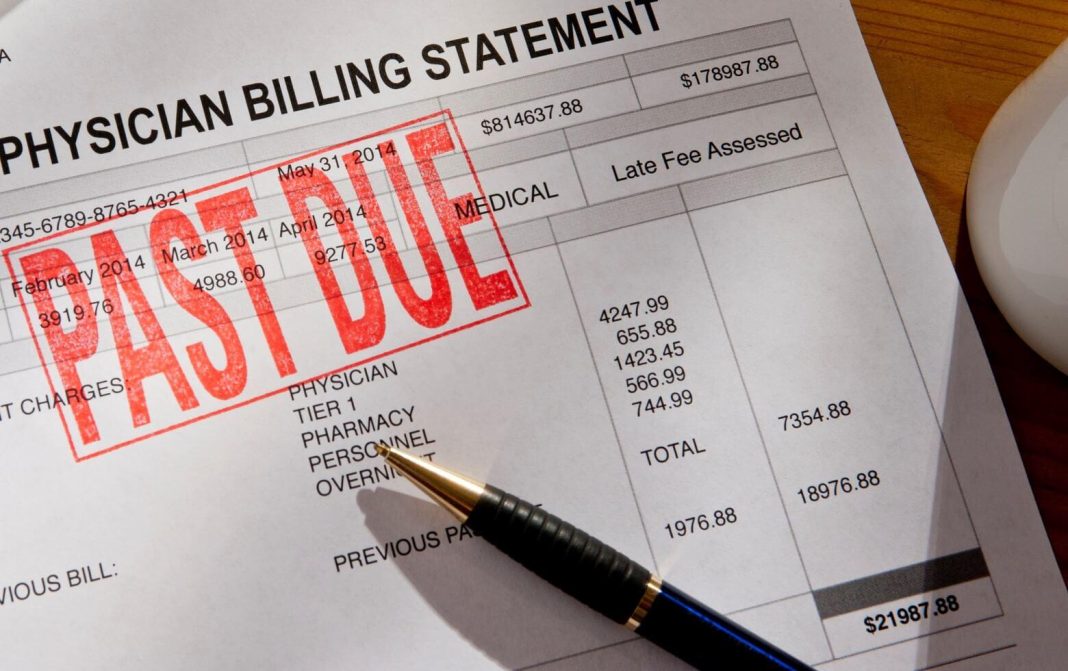

Dealing with medical bills can often feel overwhelming, especially when they start piling up and threaten to disrupt your financial stability. However, with a strategic approach and disciplined budgeting, you can tackle these expenses head-on and regain control over your finances. In this guide, we’ll explore practical steps to efficiently pay off medical bills while maintaining a balanced budget. From understanding your bills and negotiating costs to exploring payment options and incorporating savvy budgeting techniques, this article will equip you with the tools and confidence needed to navigate the financial challenges of medical expenses. Let’s embark on this journey to financial peace of mind, armed with knowledge and a proactive mindset.
Understanding Your Medical Bills and Insurance Coverage
Deciphering medical bills and insurance coverage can feel overwhelming, but with a strategic approach, it becomes manageable. Start by carefully reviewing each bill and insurance explanation of benefits (EOB). Identify any discrepancies such as duplicate charges or services not rendered, and contact the provider or insurance company promptly to resolve these issues. Familiarize yourself with terms like deductible, copayment, and out-of-pocket maximum, as these will directly impact your financial responsibility.
Once you have a clear understanding of your financial obligations, create a plan to pay off your bills while maintaining your budget. Consider the following strategies:
- Negotiate Payment Plans: Contact healthcare providers to set up a manageable payment plan that fits your budget.
- Utilize Financial Assistance Programs: Explore available hospital or government programs designed to aid those with high medical expenses.
- Prioritize High-Interest Debts: If applicable, pay off high-interest medical debts first to minimize the overall cost.
- Review and Adjust Your Budget: Reassess your monthly expenses and identify areas where you can cut back to allocate more funds towards medical bills.
By staying organized and proactive, you can navigate the complexities of medical billing and insurance, ensuring financial stability without compromising your health.

Creating a Realistic Budget Plan for Medical Expenses
When planning for medical expenses, it’s crucial to develop a comprehensive and adaptable budget. Start by gathering all your medical bills, insurance statements, and any other related documents. Categorize your expenses into recurring (e.g., monthly prescriptions) and unexpected costs (e.g., emergency room visits). This will help you understand where your money is going and identify areas where you can cut back. Consider the following strategies:
- Review your insurance policy: Ensure you are aware of what is covered and what isn’t. This knowledge will help you avoid unexpected charges.
- Negotiate bills: Don’t hesitate to contact your healthcare provider to discuss payment plans or potential discounts. Many providers offer reduced rates for those who ask.
- Set up a medical emergency fund: Allocate a portion of your income each month to cover unforeseen medical expenses, reducing the need to dip into your regular savings.
By implementing these steps, you can create a realistic budget that accommodates your medical needs while maintaining financial stability. Remember, staying informed and proactive is key to effectively managing your healthcare expenses.
Exploring Payment Assistance Programs and Negotiation Strategies
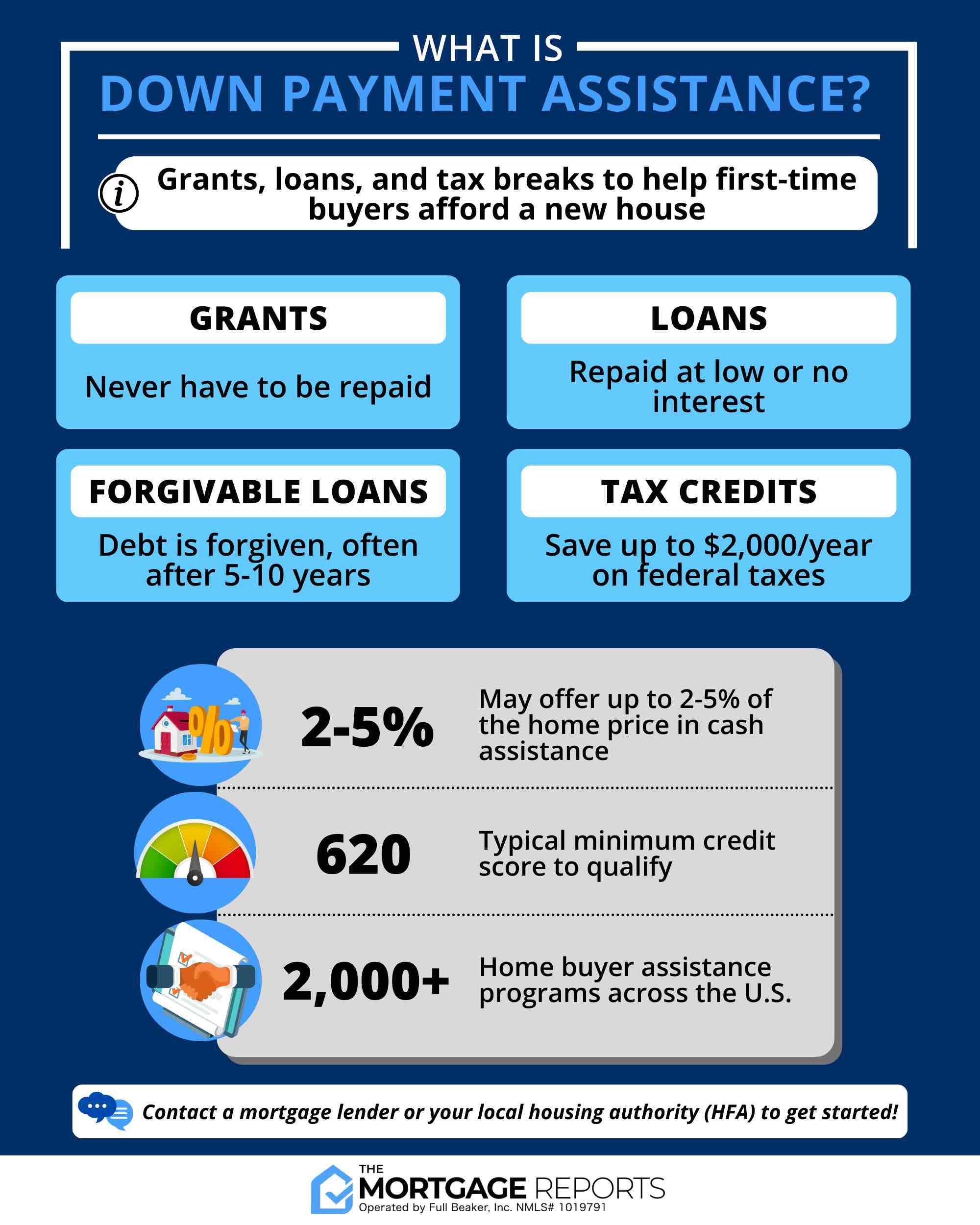
When faced with the daunting task of paying off medical bills, exploring payment assistance programs can be a game-changer. Many hospitals and healthcare providers offer financial assistance or charity care programs for those who qualify. It’s essential to inquire about these programs directly with the billing department. Additionally, government programs like Medicaid or Medicare can provide relief for eligible individuals. Don’t overlook nonprofit organizations that might offer grants or financial aid for medical expenses.
Equally important is mastering the art of negotiation to potentially reduce your medical debt. Start by reviewing your medical bills for errors and requesting an itemized statement. Once you have a clear understanding, reach out to your healthcare provider to discuss possible discounts or a payment plan. Be prepared to negotiate by citing financial hardship or comparing costs with other providers. You might be surprised by how flexible they can be. Here are some strategies to consider:
- Request a discount for upfront payments.
- Ask about interest-free payment plans.
- Inquire if the provider can match or beat the rates of other local facilities.

Implementing Long-term Financial Habits for Health-related Costs
Adopting sustainable financial habits is crucial to effectively managing health-related expenses and ensuring long-term financial stability. One effective approach is to establish a dedicated health savings fund. Consider allocating a small percentage of your monthly income into a separate account specifically for medical expenses. This proactive measure can alleviate the financial burden of unexpected medical costs and keep you on track with your overall budget.
Another vital habit is to regularly review and negotiate medical bills. Often, medical bills contain errors or unexpected charges that can be disputed. Don’t hesitate to contact healthcare providers or billing departments to discuss payment plans or possible discounts. Additionally, consider the following strategies to enhance your financial resilience:
- Utilize preventive care services covered by insurance to avoid higher costs later.
- Leverage telehealth services for non-emergency consultations to reduce costs.
- Regularly reassess your insurance coverage to ensure it aligns with your health needs.