

Creating a family budget that truly works is more than just a financial exercise; it’s a pathway to achieving peace of mind and long-term stability for your household. In today’s fast-paced world, where financial pressures and unexpected expenses are a common reality, having a well-structured budget is essential for managing resources effectively and reaching your financial goals. This guide will provide you with a comprehensive approach to designing a family budget that not only aligns with your income and priorities but also adapts to the evolving needs of your family. With clear steps and expert insights, you’ll learn how to track expenses, allocate funds wisely, and cultivate financial discipline, ensuring that your budget becomes a reliable tool for fostering financial security and enhancing the quality of life for you and your loved ones.
Identifying Essential Expenses and Setting Priorities
In crafting a family budget that truly works, the first step is to discern which expenses are essential and set clear priorities. Begin by evaluating your monthly income and expenditures, then categorize each cost. Essential expenses are those necessary for maintaining basic living standards, such as housing, utilities, groceries, healthcare, and transportation. By identifying these core needs, you can ensure that your family’s foundational requirements are met before allocating funds elsewhere.
- Housing: Rent or mortgage payments, property taxes, and insurance.
- Utilities: Electricity, water, gas, and internet.
- Groceries: Food and essential household supplies.
- Healthcare: Insurance premiums, medications, and regular check-ups.
- Transportation: Fuel, public transit passes, and vehicle maintenance.
Once you’ve outlined these necessities, it’s crucial to prioritize them in your budget. Consider the impact of each expense on your family’s well-being and financial stability. Set clear goals for savings and debt repayment, ensuring they align with your family’s values and future aspirations. By focusing on essentials and aligning your spending with your priorities, you lay the groundwork for a budget that supports both your present needs and future ambitions.

Crafting a Realistic Savings Plan for Long-Term Security
Building a savings plan that secures your family’s future begins with a comprehensive understanding of your current financial situation and future goals. Start by evaluating your income sources and essential expenses. Identify fixed costs like rent, utilities, and insurance, and differentiate them from variable costs such as groceries and entertainment. Once you have a clear picture, set realistic savings targets that align with your family’s needs and aspirations. Remember, the key is consistency, not the amount.
- Set clear financial goals: Define both short-term and long-term objectives. Whether it’s a vacation fund, college savings, or retirement planning, having specific targets will guide your budgeting decisions.
- Prioritize an emergency fund: Allocate a portion of your income towards an emergency fund to cover unexpected expenses. Aim for at least three to six months’ worth of living expenses.
- Automate savings contributions: Utilize automatic transfers to ensure regular contributions to your savings account. This removes the temptation to spend and ensures that savings are a priority.
- Review and adjust regularly: Financial situations and goals can change. Schedule periodic reviews of your budget to ensure it remains aligned with your family’s needs.
Implementing these strategies can transform your financial landscape, fostering a sense of security and stability. With a well-structured savings plan, you’re not just saving money; you’re investing in your family’s future.
Incorporating Flexible Spending for Unexpected Costs
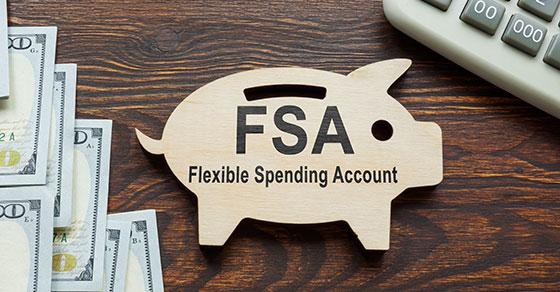
One of the key elements in crafting a successful family budget is to build in flexibility for those unforeseen expenses that inevitably pop up. While it’s tempting to allocate every penny to specific categories, leaving no room for unexpected costs can lead to financial strain. Instead, consider setting aside a portion of your budget for miscellaneous or emergency expenses. This ensures that when the unexpected arises, whether it’s a car repair or an urgent medical expense, you’re not forced to dip into savings or, worse, incur debt.
- Create a Contingency Fund: Allocate a small percentage of your monthly income specifically for unexpected costs. This fund acts as a financial buffer, allowing you to address surprises without disrupting your main budget.
- Review and Adjust Regularly: Life circumstances and priorities change, so should your budget. Make it a habit to review your budget monthly and adjust the flexible spending portion as needed to reflect any new potential expenses.
- Prioritize Your Spending: Identify non-essential spending that can be temporarily reduced or eliminated to accommodate unexpected costs without compromising your financial goals.
By incorporating these strategies, your family budget becomes not only a tool for managing day-to-day expenses but also a resilient plan that can adapt to life’s unpredictabilities.

Utilizing Technology for Efficient Budget Tracking
Incorporating modern technology into your family budgeting can significantly streamline the process and enhance accuracy. Budgeting apps are particularly effective tools, offering real-time updates and automatic categorization of expenses. Popular options like Mint, YNAB (You Need A Budget), and PocketGuard can sync with your bank accounts, providing a comprehensive view of your finances. By utilizing these apps, you can effortlessly track your spending, set savings goals, and even receive alerts when you’re nearing budget limits.
Additionally, consider using cloud-based spreadsheets for a more customizable approach. Platforms like Google Sheets or Microsoft Excel Online allow for shared access, enabling every family member to contribute to the budget. This collaborative approach not only fosters accountability but also makes it easier to adjust financial plans as needed. Remember to take advantage of templates available online to kickstart your budget planning with pre-designed structures. Leveraging these technological tools can transform the often daunting task of budget tracking into a more manageable and efficient process.