Monday, October 5, 2026
14.4 C
London

Best college savings plans for high income families

When it comes to securing a prosperous future for your children, investing in a college savings plan is one of the most strategic decisions high-income families can make. With the rising cost of higher education, it is crucial to not only save but also maximize the potential of your investments. This article will guide you through the best college savings plans tailored specifically for high-income families, offering insights into various options that can help you efficiently grow your savings while taking advantage of tax benefits and investment opportunities. With a confident approach to financial planning, you can ensure that your children have the resources they need to pursue their academic dreams without the burden of overwhelming debt. Let us delve into the top strategies and plans that can make this vision a reality.

Understanding High-Income Family Needs in College Savings

Understanding High-Income Family Needs in College Savings

High-income families face unique challenges when planning for college savings, primarily due to their specific financial landscape. Balancing investment growth with risk management is crucial, as these families often seek to maximize their savings potential while safeguarding against market volatility. Tax efficiency becomes a focal point, as the higher earnings bracket can significantly impact the net gains from any investment. Thus, exploring options that offer tax advantages, such as 529 plans or Coverdell Education Savings Accounts, is imperative.

Moreover, high-income families often prioritize flexibility and control over their investments. They may benefit from strategies that offer diverse investment options, allowing for tailored portfolios that align with their risk tolerance and financial goals. Key considerations include:

  • 529 Plans: Known for their tax benefits, these plans provide high contribution limits and flexibility in selecting investment portfolios.
  • Coverdell Education Savings Accounts: Though they have lower contribution limits, they offer more investment choices and can be used for a broader range of educational expenses.
  • Custodial Accounts: These accounts, such as UTMA/UGMA, offer greater control over investment decisions but come with less favorable tax treatment.

Understanding these nuances allows high-income families to make informed decisions, ensuring that their college savings strategy not only meets their financial needs but also aligns with their long-term educational goals.
Maximizing Tax Advantages with 529 Plans and Beyond

Maximizing Tax Advantages with 529 Plans and Beyond

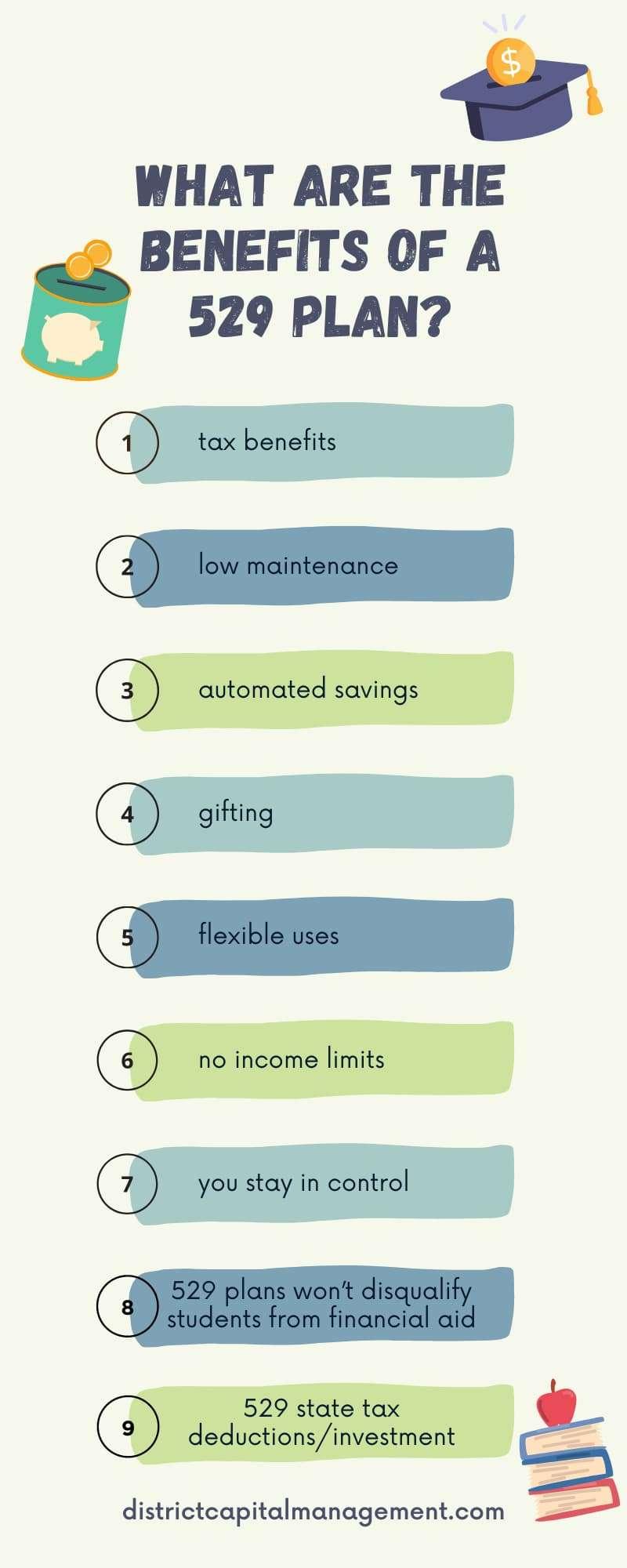
High-income families looking to optimize their educational savings strategies should consider leveraging the powerful tax advantages of 529 plans. These plans offer a compelling blend of tax-free growth and tax-free withdrawals when used for qualified education expenses, making them a strategic tool for wealth preservation and growth. Key benefits include:

  • State Tax Deductions or Credits: Many states offer tax deductions or credits for contributions to their own 529 plans, reducing your state tax liability.
  • High Contribution Limits: Unlike other savings vehicles, 529 plans often allow contributions exceeding $300,000 per beneficiary, offering flexibility for families with substantial savings capacity.

Beyond 529 plans, consider diversifying with Coverdell Education Savings Accounts (ESAs) and Custodial Accounts. While ESAs have lower contribution limits, they offer more investment options and can be used for elementary and secondary education expenses. Custodial accounts, under the Uniform Transfers to Minors Act (UTMA) or Uniform Gifts to Minors Act (UGMA), provide greater investment freedom, although they come with fewer tax benefits. By combining these strategies, families can maximize tax efficiency and tailor their approach to meet long-term educational goals.

Exploring Flexible Investment Options for Optimal Growth

High-income families seeking to secure a robust financial future for their children’s education can benefit from a variety of dynamic investment avenues. 529 Plans are a popular choice, offering tax advantages and flexibility in terms of contributions and withdrawals. These plans allow for significant savings growth over time, with the added benefit of tax-free withdrawals for qualified educational expenses. Additionally, some states offer tax deductions or credits for contributions, enhancing their appeal.

Another option to consider is Coverdell Education Savings Accounts (ESAs), which, while having lower contribution limits than 529 Plans, offer greater investment flexibility. Families can invest in a wide array of securities, tailoring their portfolio to maximize growth. For those looking for a broader approach, Roth IRAs can be strategically utilized, leveraging their tax-free growth potential. While primarily a retirement savings vehicle, they can be tapped for education expenses without penalties. Consider diversifying with these options to align with your family’s long-term financial goals:

  • 529 Plans: Tax-free growth and withdrawals for education
  • Coverdell ESAs: Flexible investment choices with tax advantages
  • Roth IRAs: Dual-purpose savings for retirement and education

Strategic Tips for Balancing Risk and Return in Education Funds

When it comes to managing education funds for high-income families, a strategic approach that balances risk and return is crucial. Start by diversifying your investment portfolio. Diversification helps in spreading risk across different asset classes, which can include stocks, bonds, and mutual funds. By doing so, you can protect your investment from the volatility of any single asset. Moreover, consider the following strategies:

  • Time Horizon Consideration: Align your investments with your child’s age. For younger children, you might opt for higher-risk investments with potentially higher returns, while shifting to safer options as college approaches.
  • Regular Portfolio Review: Periodically assess and adjust your portfolio to ensure it aligns with your risk tolerance and financial goals. Market conditions and personal circumstances can change, making regular reviews essential.
  • Tax-Advantaged Accounts: Utilize accounts like 529 plans or Coverdell ESAs, which offer tax advantages that can maximize your returns over time.

By implementing these strategic tips, high-income families can effectively balance risk and return, ensuring that they are well-prepared for future educational expenses.


Hot this week

Best Ways to Plan for Your Familys Long Term Financial Success

To secure your family's financial future, start by setting clear goals, creating a diversified investment portfolio, and building an emergency fund. Regularly review your plans and adjust as needed to stay on track for long-term success.

How to Diversify Your Familys Investment Portfolio

Diversifying your family's investment portfolio involves balancing risk and reward. Consider a mix of stocks, bonds, real estate, and mutual funds. Regularly review and adjust to align with financial goals and market conditions.

Credit counseling services for debt management and reduction

Credit counseling services offer expert guidance for managing and reducing debt. By analyzing your financial situation, they help create a tailored plan to consolidate debts, lower interest rates, and improve financial literacy, leading to lasting financial stability.

How to Stay Focused on Long Term Financial Goals

Stay focused on long-term financial goals by setting clear objectives, creating a realistic budget, and regularly reviewing your progress. Automate savings and avoid distractions by staying informed and disciplined in your financial journey.

How to Plan for Unexpected Medical Expenses

To manage unexpected medical expenses, start by building an emergency fund. Regularly review your insurance coverage to ensure it meets your needs, and consider a Health Savings Account (HSA) for tax-advantaged savings.

Topics

Best Ways to Plan for Your Familys Long Term Financial Success

To secure your family's financial future, start by setting clear goals, creating a diversified investment portfolio, and building an emergency fund. Regularly review your plans and adjust as needed to stay on track for long-term success.

How to Diversify Your Familys Investment Portfolio

Diversifying your family's investment portfolio involves balancing risk and reward. Consider a mix of stocks, bonds, real estate, and mutual funds. Regularly review and adjust to align with financial goals and market conditions.

Credit counseling services for debt management and reduction

Credit counseling services offer expert guidance for managing and reducing debt. By analyzing your financial situation, they help create a tailored plan to consolidate debts, lower interest rates, and improve financial literacy, leading to lasting financial stability.

How to Stay Focused on Long Term Financial Goals

Stay focused on long-term financial goals by setting clear objectives, creating a realistic budget, and regularly reviewing your progress. Automate savings and avoid distractions by staying informed and disciplined in your financial journey.

How to Plan for Unexpected Medical Expenses

To manage unexpected medical expenses, start by building an emergency fund. Regularly review your insurance coverage to ensure it meets your needs, and consider a Health Savings Account (HSA) for tax-advantaged savings.

Simple Steps to Cut Down on Monthly Bills

To reduce monthly bills, start by tracking your expenses. Identify non-essential subscriptions to cancel, negotiate better rates for services, and implement energy-saving habits. These steps can significantly ease financial stress.

How to Choose the Right Education Savings Plan

Choosing the right education savings plan requires understanding your financial goals, the timeline for education expenses, and tax implications. Evaluate options like 529 plans or ESAs to find the best fit for your family's future.

Simple Ways to Save for a Family Vacation This Year

Start by setting a clear savings goal and timeline. Create a dedicated vacation fund, automate monthly deposits, and cut non-essential expenses. Use cashback apps and compare travel deals to maximize your savings efficiently.
spot_img

Related Articles

Popular Categories

spot_imgspot_img