

Balancing the pursuit of education investment with the imperative of retirement savings is a financial tightrope that many individuals and families face today. With the escalating costs of higher education and the undeniable necessity of a secure retirement, making informed decisions is crucial. This guide aims to empower you with strategies to navigate this complex financial landscape confidently. By understanding the principles of prioritization, leveraging available resources, and adopting a forward-thinking mindset, you can achieve a harmonious balance that secures both your educational aspirations and your future financial stability. Dive in as we explore actionable insights to align your financial goals with peace of mind.
Understanding the Importance of Prioritizing Financial Goals
When navigating the complex waters of financial planning, it’s crucial to recognize the significance of aligning your financial objectives. Whether you’re eyeing an advanced degree or planning a comfortable retirement, understanding which goals to prioritize can significantly impact your financial health. Start by evaluating your current financial situation and future aspirations. Education investment can offer long-term career benefits and potential income growth, while retirement savings ensure long-term financial security. The challenge lies in balancing these priorities to avoid compromising one for the other.
To effectively manage these goals, consider adopting a strategy that includes:
- Setting clear timelines: Determine when you aim to achieve each goal. Is there an immediate need for education, or is retirement closer than it seems?
- Budgeting wisely: Allocate a specific percentage of your income to each goal, ensuring that neither is neglected.
- Evaluating opportunity costs: Understand what you might be sacrificing in the short term to benefit in the long term, and vice versa.
- Seeking professional advice: A financial advisor can offer personalized insights that align with your unique situation.
By clearly identifying and strategically prioritizing your financial goals, you can create a robust plan that supports both your educational ambitions and your retirement dreams, ensuring a balanced and prosperous financial future.

Evaluating Education Costs and Long-Term Benefits
When weighing the costs of education against its long-term benefits, it’s crucial to consider not just the immediate financial outlay but also the potential return on investment. A thoughtful approach involves analyzing the following key factors:
- Potential Earnings Increase: Higher education often leads to higher salaries, but the degree must align with market demands. Research fields of study and their associated earning potential to ensure that the financial benefits outweigh the initial costs.
- Debt Management: If loans are necessary, evaluate the interest rates and repayment terms. Opt for federal loans with income-driven repayment plans over private loans with variable rates.
- Quality of Education: More expensive doesn’t always mean better. Investigate the quality of education, faculty, and alumni success. Sometimes, community colleges or online courses offer comparable education at a fraction of the cost.
- Scholarships and Grants: These can significantly reduce the financial burden. Diligently apply for scholarships and seek grants that do not require repayment.
Balancing educational expenses with retirement savings demands a strategic approach. Prioritize contributions to retirement accounts, such as 401(k)s or IRAs, ensuring that the long-term financial security isn’t compromised. Ultimately, a well-planned education investment can serve as a powerful tool for enhancing both professional prospects and personal financial stability.
Strategic Approaches to Retirement Savings Amidst Education Expenses
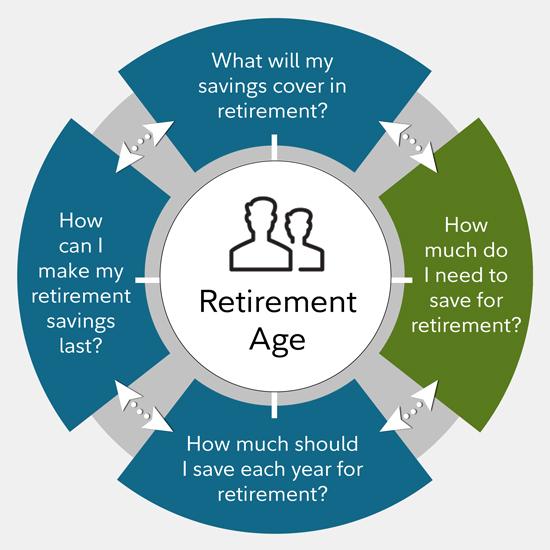
Navigating the waters of saving for both retirement and education can feel like a tightrope walk. A strategic approach is essential to strike a balance between these competing financial goals. Begin by prioritizing your long-term financial health. Establish a robust emergency fund to cushion any unexpected expenses, which can otherwise derail your savings plans. This foundation will give you the confidence to allocate resources effectively.
Consider the following tactics to maintain equilibrium:
- Budget with Purpose: Create a detailed budget that allocates funds specifically for retirement and education. Ensure each category is funded consistently, even if it requires small contributions.
- Leverage Tax-Advantaged Accounts: Utilize accounts like 401(k)s and IRAs for retirement, and 529 plans for education. These offer tax benefits that can enhance your savings over time.
- Assess Education ROI: Evaluate the return on investment for educational expenses. Consider less costly alternatives that still offer quality education, such as community colleges or online courses.
- Synchronize Financial Goals: Align your savings strategy with life milestones. For instance, prioritize retirement savings early on, then gradually increase education funding as children approach college age.
By implementing these strategies, you can ensure that neither your retirement nor educational aspirations are compromised.
Creating a Balanced Financial Plan for Education and Retirement
Crafting a financial strategy that addresses both educational costs and retirement savings can feel like walking a tightrope. However, by implementing a few strategic moves, you can achieve a harmonious balance. Start by prioritizing diversified savings options. Consider using a mix of 529 plans for education and Roth IRAs for retirement, as these can provide tax advantages and long-term growth potential. Remember, it’s essential to evaluate your risk tolerance and investment timeline for each goal.
Next, develop a dynamic budget that adjusts as your financial situation evolves. Break down your income and allocate funds to both education and retirement, ensuring each gets its due attention. Utilize tools like budgeting apps or spreadsheets to keep track. It’s also wise to set up automatic transfers to your savings accounts, so you don’t have to rely on manual discipline. Some actionable tips include:
- Review and adjust your budget annually to accommodate changing expenses and income.
- Utilize employer matching for retirement savings to maximize your contributions.
- Explore scholarships and grants to reduce the educational financial burden.
By staying informed and adaptable, you can confidently secure a future that values both education and retirement.