

Balancing the financial demands of saving for both college and retirement is a challenge faced by many individuals and families. It often feels like a delicate dance, requiring strategic planning and disciplined execution. In today’s economic landscape, the cost of higher education continues to rise, while the importance of securing a comfortable retirement remains paramount. Navigating these dual priorities demands a clear understanding of financial principles and a proactive approach. This article will guide you through practical strategies to effectively allocate resources, prioritize goals, and make informed decisions that ensure a secure future for both your education aspirations and retirement dreams. With the right tools and mindset, achieving balance is not only possible but well within your reach.
Understanding the Financial Landscape for College and Retirement
When it comes to navigating the intricate financial landscape of preparing for both college and retirement, understanding the nuances of each goal is crucial. Balancing these priorities requires a strategic approach, ensuring that neither objective is compromised. Start by assessing your current financial situation and determining how much you can allocate towards each goal. Remember, it’s not about choosing one over the other but rather finding a harmonious balance. Consider the following key points to guide your decision-making:
- Prioritize Retirement Savings: While college expenses are significant, remember that loans and scholarships can ease the burden. Retirement, however, lacks such external aids. Focus on maxing out employer-sponsored retirement accounts, such as a 401(k), to take advantage of any available matching contributions.
- Explore 529 Plans: These tax-advantaged savings plans are specifically designed for education expenses. Contributions grow tax-free, and withdrawals are tax-free when used for qualified educational expenses, making them an excellent tool for college savings.
- Evaluate Your Timeline: Consider how many years you have until retirement and when your child will attend college. A longer timeline allows for more aggressive investment strategies, potentially yielding higher returns.
- Balance Risk and Security: Diversify your investment portfolio to manage risk effectively. While younger investors might lean towards higher-risk options for potentially greater rewards, those closer to retirement should focus on preserving capital.
By integrating these strategies into your financial plan, you can confidently work towards both your retirement and college savings goals, ensuring a secure future for you and your family.
Strategic Budgeting Techniques for Dual Savings Goals
Balancing the demands of saving for both college and retirement requires a disciplined approach and smart allocation of resources. Strategic budgeting is your key ally in this endeavor. Start by clearly defining your savings goals for each category. Consider using the 50/30/20 rule as a foundational guide: allocate 50% of your income to necessities, 30% to discretionary expenses, and 20% to savings. Within that 20%, prioritize contributions based on time-sensitive needs and potential returns.
- Utilize Tax-Advantaged Accounts: Maximize contributions to 529 plans for college savings and 401(k)s or IRAs for retirement to benefit from tax advantages.
- Leverage Matching Contributions: If your employer offers a 401(k) match, prioritize capturing the full match before allocating funds elsewhere.
- Adjust for Time Horizons: Allocate a higher percentage of savings to college if the need is imminent, but do not neglect retirement, which may require more substantial funds over time.
- Regularly Review and Adjust: Conduct quarterly reviews of your savings progress and adjust your budget as necessary to stay on track with both goals.

Optimizing Investment Options for Long-term Security
When considering long-term financial security, it’s crucial to strike a balance between saving for your child’s education and ensuring a comfortable retirement. Begin by evaluating your current financial landscape and future goals. Allocate funds wisely by assessing your risk tolerance and investment horizon. Diversification is key: invest in a mix of assets that align with your timeline and financial objectives.
Consider these strategies to optimize your investments:
- 529 College Savings Plans: Take advantage of tax benefits and compound interest to grow your college fund efficiently.
- Retirement Accounts: Maximize contributions to IRAs or 401(k)s, especially if your employer offers matching contributions.
- Flexible Budgeting: Regularly review and adjust your budget to accommodate shifts in income, expenses, and financial priorities.
- Professional Guidance: Consult a financial advisor to tailor an investment strategy that meets both educational and retirement needs.
By integrating these practices, you can confidently work towards securing a stable financial future while supporting your child’s educational aspirations.
Leveraging Tax-advantaged Accounts for Maximum Benefit
When planning for both college and retirement, tax-advantaged accounts can play a crucial role in maximizing your financial strategy. 529 Plans offer a flexible way to save for education expenses. These accounts allow your investments to grow tax-free, and withdrawals for qualified education expenses remain untaxed. Consider setting up automatic contributions to ensure consistent savings while potentially benefitting from state tax deductions or credits.
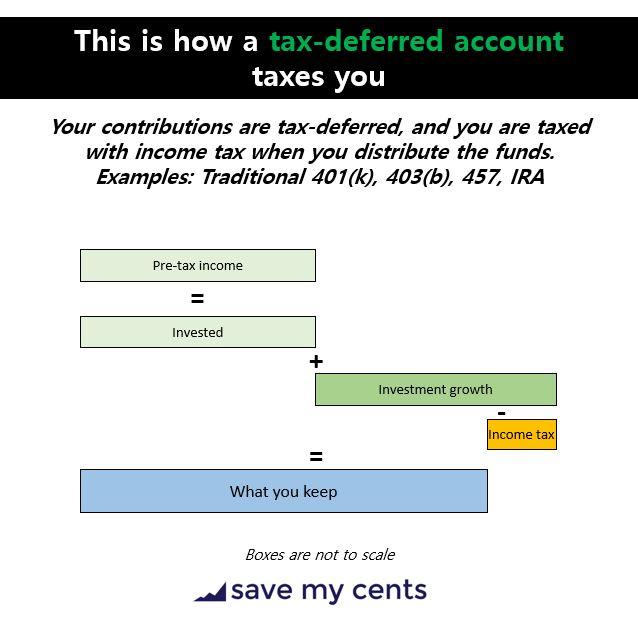
On the retirement front, 401(k)s and IRAs provide powerful tools for long-term growth. Contributions to these accounts often reduce your taxable income, and the compounding interest over time can significantly boost your retirement savings. Don’t overlook Roth IRAs, which offer tax-free withdrawals in retirement, making them a strategic choice for those anticipating higher tax rates in the future. By balancing contributions between these accounts, you can effectively prepare for both your children’s education and your own retirement.
- Utilize automatic contributions to maintain discipline.
- Explore state-specific tax benefits for 529 Plans.
- Consider Roth IRAs for future tax-free income.