

Securing scholarships and financial aid is a crucial step in ensuring your child’s educational journey is both enriching and financially manageable. As tuition costs continue to rise, understanding how to navigate the complex landscape of scholarships and financial aid is more important than ever. This guide will equip you with the essential strategies and insights to prepare your child for this process, from identifying opportunities early to crafting compelling applications. With a proactive approach and the right resources, you can empower your child to seize the financial opportunities available, paving the way for a successful and debt-minimized academic future.
Understanding the Financial Aid Landscape and Key Scholarship Opportunities
Navigating the maze of financial aid and scholarships can be daunting, but understanding the landscape is crucial for securing the best opportunities for your child. The world of financial aid is multifaceted, encompassing grants, loans, and work-study programs, each with its own set of rules and deadlines. Scholarships, on the other hand, are often merit-based and can come from a variety of sources such as universities, private organizations, and community groups. It’s essential to start early, as many scholarships have application deadlines well before college acceptance letters arrive.
- Research Thoroughly: Encourage your child to explore a wide range of scholarships, from those offered by colleges to niche awards based on interests or demographics.
- Prepare Documentation: Gather necessary documents like transcripts, letters of recommendation, and financial records well in advance.
- Focus on Essays: Many scholarships require essays, so honing writing skills can be a game-changer. Tailor each essay to reflect the scholarship’s values and goals.
- Stay Organized: Use a spreadsheet or a planner to track deadlines and requirements for each application.
By demystifying the process and staying proactive, you can help your child tap into the vast pool of resources available to make higher education more affordable.

Building a Strong Academic and Extracurricular Profile for Scholarship Success
Developing a well-rounded academic and extracurricular profile is essential for securing scholarships. Start by focusing on academic excellence. Encourage your child to challenge themselves with advanced courses and maintain a strong GPA. It’s beneficial to identify subjects they excel in and nurture those strengths. Schools often provide resources like tutoring or advanced placement classes—utilize them to give your child an edge.
Equally important is a robust extracurricular involvement. Participation in clubs, sports, and community service demonstrates leadership and initiative. Guide your child to choose activities that genuinely interest them and allow for personal growth. Look for opportunities where they can take on leadership roles or significant projects. This not only enhances their resume but also provides talking points for scholarship interviews. Consider these elements as part of a strategic plan to build a standout profile:
- Identify key interests and pursue them consistently.
- Engage in community service to showcase commitment and empathy.
- Take on leadership roles to highlight responsibility and initiative.
- Maintain a balance between academics and extracurriculars to prevent burnout.
Crafting a profile that balances both academic achievements and extracurricular commitments will significantly enhance your child’s chances of scholarship success.
Crafting Compelling Personal Statements and Scholarship Essays
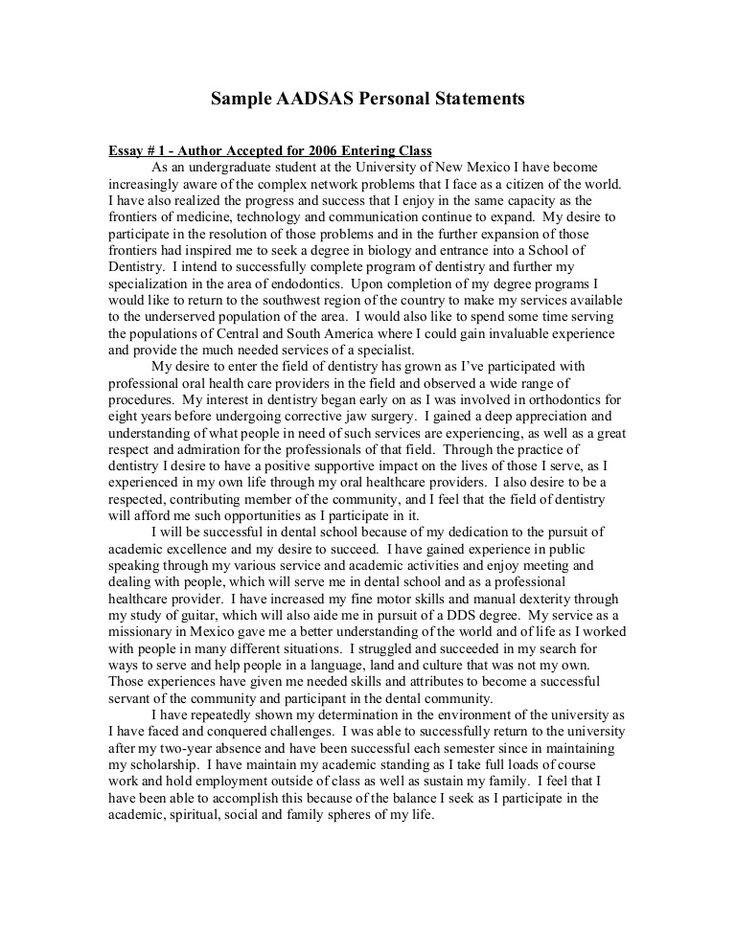
One of the most critical components in securing scholarships and financial aid is the ability to craft a personal statement or essay that stands out. To guide your child in this endeavor, emphasize the importance of authenticity and clarity. Encourage them to reflect deeply on their experiences and aspirations. They should aim to convey a narrative that not only highlights their achievements but also illustrates their character and values. Remind them that admissions committees are looking for individuals who will contribute positively to their academic community.
- Focus on a central theme: Help your child choose a specific topic or theme that resonates with their personal journey. This could be a challenge they’ve overcome, a passion they’ve pursued, or a goal they aim to achieve.
- Showcase unique qualities: Encourage them to think about what makes them unique. Are there specific skills or perspectives they bring to the table? Highlight these traits in their writing.
- Maintain a clear structure: A well-organized essay with a clear introduction, body, and conclusion makes it easier for readers to follow their story.
- Use concrete examples: Illustrate their points with specific examples and anecdotes. This makes their writing more engaging and relatable.
By focusing on these elements, your child will be better prepared to present a compelling narrative that captures the attention of scholarship committees and increases their chances of receiving financial support for their education.
Navigating the Application Process with Timelines and Organizational Strategies
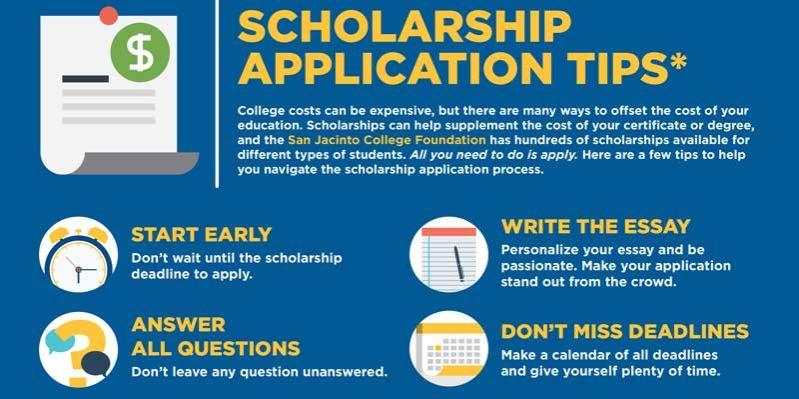
Preparing your child for scholarships and financial aid involves strategic planning and a well-structured timeline. Start by researching available scholarships and grants early in the academic year. Create a comprehensive list of deadlines and requirements for each opportunity. Using tools like spreadsheets or dedicated apps can help track progress and ensure no deadlines are missed. Encourage your child to gather necessary documents in advance, such as transcripts, letters of recommendation, and financial information.
Incorporate organizational strategies that foster a proactive approach. Break tasks into manageable chunks and set weekly or monthly goals to avoid last-minute stress. A shared digital calendar can be a useful tool for tracking application timelines and ensuring both you and your child stay on the same page. Encourage your child to set aside regular time each week to work on applications, essays, and any other requirements. This routine not only helps in managing time effectively but also builds a sense of discipline and responsibility.
- Research scholarships and grants early
- Create a timeline of deadlines
- Use digital tools for tracking progress
- Gather necessary documents in advance
- Break tasks into manageable chunks
- Set regular weekly work sessions