

Navigating the path to higher education can be daunting, especially when financial resources are limited. However, with strategic planning and a proactive approach, aspiring students can overcome financial barriers and successfully embark on their college journey. This guide is designed to equip you with practical strategies and insights to make college a reality, regardless of your income level. From identifying affordable institutions and maximizing financial aid opportunities to budgeting effectively and exploring alternative funding sources, we’ll walk you through each step with confidence and clarity. By the end of this article, you’ll be empowered with the knowledge and tools necessary to turn your college aspirations into achievable goals.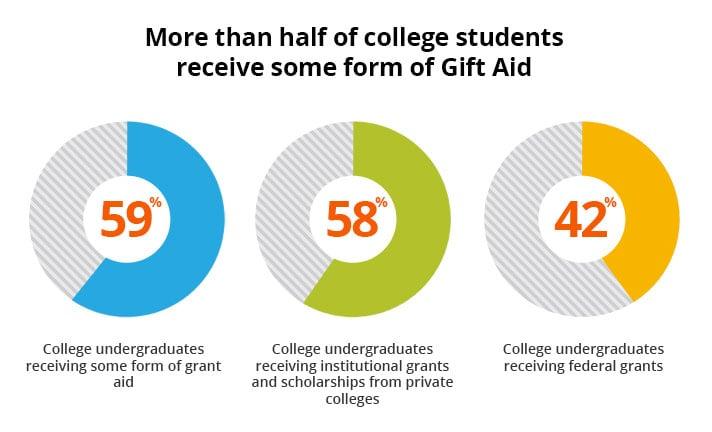
Maximize Financial Aid Opportunities for Low-Income Students
For students from low-income backgrounds, navigating the financial aid landscape can be a daunting task. However, by leveraging available resources, students can significantly reduce the financial burden of higher education. Begin by researching federal and state grants; these are often need-based and do not require repayment. The Federal Pell Grant is a cornerstone of financial aid for low-income students, and many states offer additional grants that complement federal assistance.
Additionally, it’s essential to explore opportunities offered by private organizations and foundations. These can include scholarships specifically targeted at low-income students. Many scholarships consider factors beyond academic achievement, such as community service and personal challenges. When applying, ensure your application highlights these elements. Consider the following steps to enhance your financial aid prospects:
- Fill out the FAFSA early to maximize your chances of receiving aid.
- Regularly check your college’s financial aid office for updates on new scholarships.
- Attend financial aid workshops to learn about additional resources and strategies.
- Network with other students to exchange tips and share lesser-known opportunities.
Explore Affordable College Options and Community Resources
Planning for college on a limited income requires strategic thinking and resourcefulness. Start by researching affordable colleges that offer excellent programs at lower tuition rates. Community colleges are a fantastic starting point, providing quality education with the option to transfer to a four-year institution later. Many state universities also offer scholarships specifically for in-state students, significantly reducing the cost of attendance.
In addition to exploring institutional options, tap into community resources that support college-bound students. Consider the following resources:
- Local Scholarships: Many community organizations and businesses offer scholarships to local students. Check with your high school guidance counselor or local library for leads.
- Educational Grants: Federal and state grants, like the Pell Grant, can provide substantial financial assistance. Be sure to complete the FAFSA early to maximize your eligibility.
- Work-Study Programs: These programs allow students to work part-time while studying, helping to offset tuition costs and gain valuable work experience.
- Financial Counseling: Many communities offer free financial literacy workshops that can help you budget effectively and plan for college expenses.

Master the Art of Budgeting and Saving for College Expenses
With strategic planning and resourcefulness, even students with limited income can effectively manage college expenses. Begin by creating a detailed budget that accounts for tuition, books, housing, and personal expenses. Utilize tools like spreadsheets or budgeting apps to track your spending and identify areas where you can cut costs. Remember, every small saving adds up over time.
Consider these smart saving strategies:
- Seek Scholarships and Grants: Research and apply for scholarships and grants that align with your academic and personal background. These funds do not require repayment and can significantly ease financial burdens.
- Work-Study Programs: Many colleges offer work-study opportunities that allow you to earn money while gaining valuable work experience.
- Textbook Alternatives: Explore used bookstores, online platforms, or rental services to find more affordable textbook options.
- Meal Planning: Reduce food expenses by cooking at home and planning meals ahead of time, avoiding costly dining options.
By embracing these strategies, you can navigate college expenses with confidence and ease, ensuring that financial constraints do not hinder your educational journey.

Leverage Scholarships and Grants to Minimize Debt
To significantly reduce the financial burden of college, it’s essential to tap into the vast pool of scholarships and grants available. These funds are essentially free money, which means they don’t have to be repaid, unlike student loans. Start by researching opportunities early; many scholarships have deadlines well before college application deadlines. Consider these strategies to maximize your chances:
- Research Extensively: Use platforms like Fastweb, Scholarships.com, and the College Board’s Scholarship Search to find scholarships that fit your profile. Also, check with your high school counselor and local community organizations.
- Apply Broadly: Don’t limit yourself to a few big-name scholarships. Smaller awards can add up and are often less competitive. Apply for as many as you qualify for.
- Tailor Your Applications: Customize each application to highlight how you meet the specific criteria of the scholarship. Use strong, personal statements to make your case compelling.
- Seek Out Grants: Fill out the Free Application for Federal Student Aid (FAFSA) to determine your eligibility for federal and state grants. Many colleges also offer their own grants, so explore those options as well.
By being proactive and thorough in your search for scholarships and grants, you can greatly reduce your reliance on loans, easing the financial stress of pursuing higher education.