Monday, October 5, 2026
13.7 C
London

How to Plan for Your Childs College Education Without Debt

Planning for your child’s ​college education can often feel like navigating a financial ​labyrinth, but with the right strategies, it’s entirely ⁢possible⁢ to achieve this milestone without succumbing to debt. ⁢In‍ an era where tuition costs​ are skyrocketing, and student loan burdens ⁤are becoming increasingly common, taking proactive steps⁣ to secure your child’s‍ educational future is more crucial than ever. This guide will walk you through practical, effective methods to ​save⁣ and invest ‍wisely, ensuring that your child can pursue higher education‌ without​ the ⁣financial shackles⁢ of debt. With a clear plan and a confident approach, you can transform what might seem like ⁣an overwhelming challenge into a manageable, and even rewarding, financial journey. Let’s explore ‍how you can turn this aspiration⁤ into‌ reality,⁢ equipping your child with both the knowledge and‌ financial freedom to ⁢thrive.
Understanding Financial Aid and Scholarships

Understanding Financial‌ Aid and ‌Scholarships

When embarking​ on⁣ the journey of financing your child’s college education, ⁢exploring financial aid and scholarships can significantly⁢ alleviate the financial burden. Start by researching‍ various federal and state aid programs that offer grants,‍ loans, and work-study opportunities. ‌The Free Application⁤ for Federal Student ​Aid (FAFSA) is a critical tool, opening doors to numerous funding options based on your financial situation.

In addition ⁣to government aid,⁤ countless scholarships are available, each with its unique criteria. Encourage‍ your child to apply for scholarships that align with⁢ their interests, skills, and achievements. Consider⁤ the following tips to maximize scholarship opportunities:

  • Utilize scholarship search engines to identify⁢ potential‌ awards.
  • Focus on local scholarships, which may have less competition.
  • Tailor each application to highlight specific strengths⁤ relevant to the‌ scholarship.
  • Stay organized by tracking ​deadlines and requirements for ​each application.

By proactively seeking out these financial resources,‍ you can significantly reduce ⁣or‍ even eliminate the need for student ‌loans, paving the way for a debt-free college experience ⁢for your child.

Creating a Realistic Savings Plan

Establishing a savings plan tailored to your child’s college education requires strategic foresight and⁢ disciplined execution. Start by determining the‌ total estimated⁤ cost of college, including tuition, room, board, and other related expenses. Once you have a target figure, work backward to identify how much you need​ to save⁣ monthly or ‌annually. ‌Consider utilizing a 529 College Savings Plan ⁢or ⁢a Coverdell⁣ Education Savings Account, both of which offer tax advantages that ​can ⁣significantly boost your savings potential.

  • Set clear, achievable goals: Break down the total savings ‍target into smaller, manageable milestones.
  • Automate your ‌savings: Set up automatic transfers to your savings‍ account to ⁢ensure consistent⁢ contributions.
  • Reevaluate regularly: Periodically ⁣review your ⁢savings plan⁤ to adjust for‍ changes in college costs or your financial situation.
  • Involve ⁤family members: Encourage grandparents or other relatives to contribute to the college⁣ fund as gifts for birthdays or holidays.

By adhering to a ⁤well-crafted savings strategy, you ⁢can alleviate the financial burden of higher education​ and empower⁣ your child to pursue their academic dreams without the shadow of debt.

Exploring Low-Cost College Options
Exploring Low-Cost College Options

When considering affordable education pathways, it’s crucial to explore ​various options that can significantly reduce costs without compromising on quality. One approach‌ is to ‌look into community colleges, which often offer⁣ lower tuition rates and provide a solid foundation for the first two years of a bachelor’s⁢ degree. After completing an associate degree, students⁤ can transfer to ⁣a four-year institution, often with substantial⁤ savings. Additionally, many states have tuition-free programs for in-state residents at community colleges, making it an even more attractive option.

Another cost-effective ​strategy is to​ consider in-state public universities. These institutions⁢ typically offer lower tuition rates for residents, and many have excellent programs⁢ that ‌rival‌ their private counterparts. Don’t overlook the potential of scholarships⁣ and grants, which ⁤are abundant and often go unclaimed.⁤ Encourage ‍your child to apply for as many as possible, focusing on both academic‌ and extracurricular achievements. ​Lastly, explore​ work-study programs that allow students to earn money while gaining valuable work experience. This not only helps financially but also enhances ⁤their resume for future job opportunities.

Utilizing ⁣Tax-Advantaged Education Accounts

Utilizing Tax-Advantaged Education Accounts

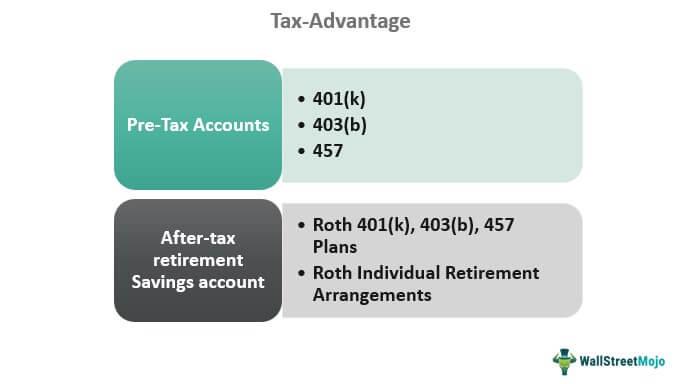
To effectively plan for your child’s college education while minimizing​ debt, it is​ crucial to explore tax-advantaged education ⁣accounts. These accounts offer ⁤significant ⁤benefits by allowing your savings to grow tax-free or tax-deferred. Consider the following options:

  • 529 Plans: These state-sponsored investment plans allow you to save for future education costs with tax-free withdrawals for qualified expenses. They ‌also offer flexibility, as‌ funds can be used at most accredited institutions nationwide.
  • Coverdell Education⁤ Savings‍ Accounts (ESA): While contributions are capped at $2,000 per⁣ year, ESAs ⁢offer the advantage of ⁣tax-free growth and withdrawals for a wide range ⁣of educational expenses, including elementary and secondary education.
  • Custodial Accounts (UGMA/UTMA): ⁤ Though not specifically designed for‍ education, these accounts can‍ be⁤ used to save for college. They offer the benefit‍ of transferring assets to the child at a certain age, potentially at a lower tax rate.

Strategically utilizing these accounts can greatly enhance your savings potential, ensuring your child’s educational journey is financially secure without the burden of debt.


Hot this week

Best Ways to Plan for Your Familys Long Term Financial Success

To secure your family's financial future, start by setting clear goals, creating a diversified investment portfolio, and building an emergency fund. Regularly review your plans and adjust as needed to stay on track for long-term success.

How to Diversify Your Familys Investment Portfolio

Diversifying your family's investment portfolio involves balancing risk and reward. Consider a mix of stocks, bonds, real estate, and mutual funds. Regularly review and adjust to align with financial goals and market conditions.

Credit counseling services for debt management and reduction

Credit counseling services offer expert guidance for managing and reducing debt. By analyzing your financial situation, they help create a tailored plan to consolidate debts, lower interest rates, and improve financial literacy, leading to lasting financial stability.

How to Stay Focused on Long Term Financial Goals

Stay focused on long-term financial goals by setting clear objectives, creating a realistic budget, and regularly reviewing your progress. Automate savings and avoid distractions by staying informed and disciplined in your financial journey.

How to Plan for Unexpected Medical Expenses

To manage unexpected medical expenses, start by building an emergency fund. Regularly review your insurance coverage to ensure it meets your needs, and consider a Health Savings Account (HSA) for tax-advantaged savings.

Topics

Best Ways to Plan for Your Familys Long Term Financial Success

To secure your family's financial future, start by setting clear goals, creating a diversified investment portfolio, and building an emergency fund. Regularly review your plans and adjust as needed to stay on track for long-term success.

How to Diversify Your Familys Investment Portfolio

Diversifying your family's investment portfolio involves balancing risk and reward. Consider a mix of stocks, bonds, real estate, and mutual funds. Regularly review and adjust to align with financial goals and market conditions.

Credit counseling services for debt management and reduction

Credit counseling services offer expert guidance for managing and reducing debt. By analyzing your financial situation, they help create a tailored plan to consolidate debts, lower interest rates, and improve financial literacy, leading to lasting financial stability.

How to Stay Focused on Long Term Financial Goals

Stay focused on long-term financial goals by setting clear objectives, creating a realistic budget, and regularly reviewing your progress. Automate savings and avoid distractions by staying informed and disciplined in your financial journey.

How to Plan for Unexpected Medical Expenses

To manage unexpected medical expenses, start by building an emergency fund. Regularly review your insurance coverage to ensure it meets your needs, and consider a Health Savings Account (HSA) for tax-advantaged savings.

Simple Steps to Cut Down on Monthly Bills

To reduce monthly bills, start by tracking your expenses. Identify non-essential subscriptions to cancel, negotiate better rates for services, and implement energy-saving habits. These steps can significantly ease financial stress.

How to Choose the Right Education Savings Plan

Choosing the right education savings plan requires understanding your financial goals, the timeline for education expenses, and tax implications. Evaluate options like 529 plans or ESAs to find the best fit for your family's future.

Simple Ways to Save for a Family Vacation This Year

Start by setting a clear savings goal and timeline. Create a dedicated vacation fund, automate monthly deposits, and cut non-essential expenses. Use cashback apps and compare travel deals to maximize your savings efficiently.
spot_img

Related Articles

Popular Categories

spot_imgspot_img