

In an era marked by economic volatility and rapid technological advancement, crafting a robust investment strategy has never been more crucial for families seeking financial security and growth. This year, the landscape of investment opportunities presents both unique challenges and unprecedented potential. With inflationary pressures persisting and global markets responding to shifting geopolitical dynamics, families must navigate a complex array of options to safeguard their financial future. This article delves into the most effective investment strategies for families in the current economic climate, offering a comprehensive analysis of market trends, risk management techniques, and diversified portfolio approaches. By examining these strategies with a critical eye, we aim to equip families with the knowledge and confidence needed to make informed investment decisions that align with their long-term financial goals.
Understanding Market Trends for Family Investments
In the ever-evolving landscape of family investments, it’s crucial to keep an eye on market trends that can influence your financial decisions. This year, a blend of traditional and modern investment avenues is shaping the most promising strategies. Diversification remains a cornerstone, with families advised to spread their investments across various asset classes. This not only mitigates risk but also taps into different growth opportunities. Alongside stocks and bonds, real estate continues to be a solid choice, particularly in emerging markets where property values are on an upward trajectory.
Another trend gaining traction is the shift towards sustainable and ethical investing. Families are increasingly interested in portfolios that align with their values, leading to a rise in ESG (Environmental, Social, and Governance) funds. Technology and innovation sectors are also ripe for investment, with advancements in AI and renewable energy promising substantial returns. Moreover, the rise of financial technology platforms offers accessible tools for families to manage and track their investments, making it easier to stay informed and agile. By understanding and leveraging these trends, families can craft a robust investment strategy that secures their financial future.
Diversifying Portfolios to Minimize Risk
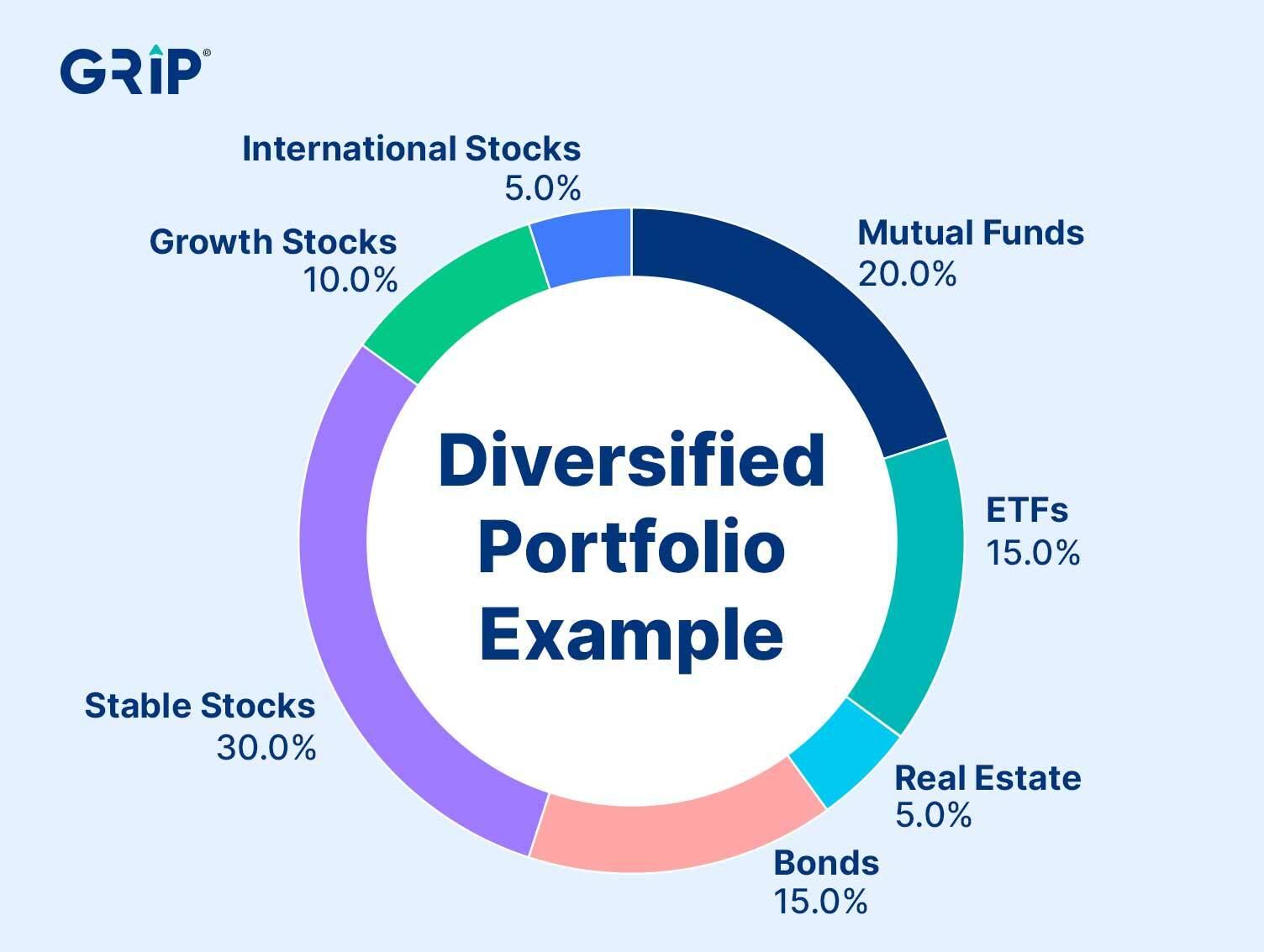
In today’s ever-changing financial landscape, families are increasingly recognizing the importance of spreading their investments across a variety of asset classes. This approach not only provides a safety net against market volatility but also capitalizes on different growth opportunities. By allocating funds into a mix of stocks, bonds, real estate, and emerging markets, families can effectively balance risk and reward. Each asset class reacts differently to market conditions, allowing for a more stable overall performance.
Consider incorporating the following elements into your family’s investment strategy:
- Diversified Mutual Funds: These funds offer an easy entry point into various sectors and industries, managed by experienced professionals.
- Exchange-Traded Funds (ETFs): ETFs provide exposure to a broad index or sector, combining the benefits of stocks and mutual funds.
- Real Estate Investment Trusts (REITs): Investing in REITs allows for participation in the real estate market without the need to directly manage properties.
- International Investments: Accessing global markets can protect against domestic economic downturns and offer potential high returns.
By embracing a diversified investment approach, families can protect their assets while setting the stage for long-term financial growth and security.

Maximizing Tax Benefits for Family Wealth Growth
When it comes to growing family wealth, leveraging tax benefits can be a game-changer. Tax-efficient investment strategies not only safeguard your capital but also accelerate wealth accumulation. Start by considering tax-advantaged accounts such as 529 plans for education savings or Health Savings Accounts (HSAs) for medical expenses. These accounts offer tax-free growth and withdrawals, significantly boosting your family’s financial health over time.
Another powerful strategy is diversifying investments across tax-deferred and tax-exempt vehicles. Consider the following options:
- Roth IRAs: Contributions are made with after-tax dollars, but withdrawals are tax-free in retirement, providing substantial tax relief in the future.
- Municipal Bonds: Often exempt from federal taxes, these can provide a steady income stream while reducing taxable income.
- Index Funds: With lower turnover rates, these funds can minimize capital gains taxes, enhancing overall returns.
By strategically aligning your investments with tax-saving opportunities, you can maximize your family’s wealth potential and secure a prosperous financial future.

Integrating Sustainable Investments into Family Portfolios
With an increasing focus on environmental and social responsibility, is not just a trend but a strategic necessity. Families looking to align their financial goals with their values should consider the following strategies:
- Impact Investing: This involves putting money into companies and projects that generate measurable social and environmental impact alongside financial returns. Look for funds that focus on renewable energy, clean technology, or sustainable agriculture.
- ESG Integration: Evaluate investments based on their environmental, social, and governance criteria. This approach can help mitigate risks and capitalize on opportunities associated with sustainability trends.
- Thematic Investing: Choose investments that target specific themes, such as water scarcity or sustainable urban development. These can offer growth potential as the world shifts towards more sustainable practices.
By weaving sustainability into the fabric of family portfolios, investors not only contribute to a better world but also position themselves to benefit from the economic opportunities of a sustainable future.