
In an ever-evolving financial landscape, securing a prosperous future for your family is both an art and a science, demanding strategic foresight and informed decision-making. As traditional pathways to wealth face unprecedented challenges and opportunities, understanding the best ways to build wealth through investments has never been more crucial. This article delves into the analytical frameworks and investment strategies that can fortify your family’s financial foundation. With a confident exploration of diverse asset classes, risk management techniques, and long-term planning, we aim to equip you with the insights necessary to navigate the complexities of wealth creation. By leveraging both time-tested principles and innovative approaches, you can chart a course towards sustainable prosperity, ensuring that your family’s financial legacy is both robust and resilient.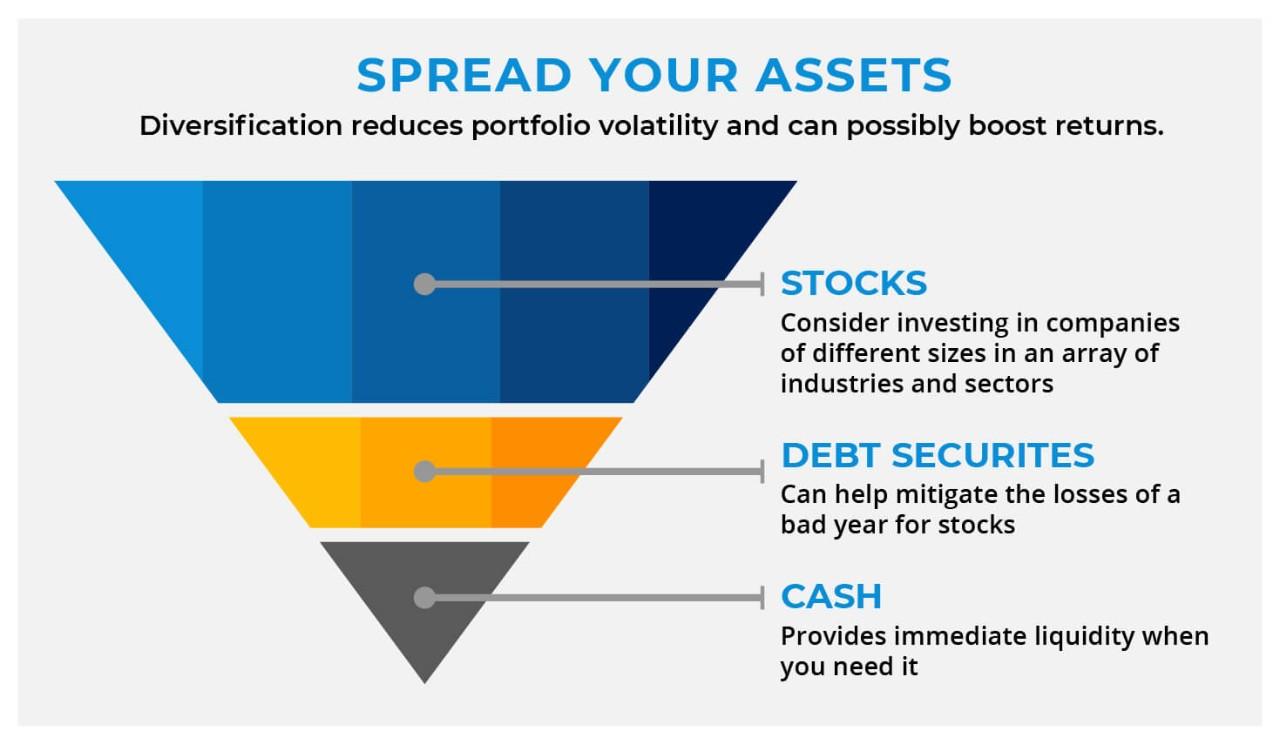 Asset Diversification for Long-Term Growth”>
Understanding Asset Diversification for Long-Term Growth
When building a robust investment portfolio aimed at long-term growth, the strategic practice of diversifying your assets is paramount. By spreading investments across various asset classes, you effectively mitigate risk and enhance potential returns. Diversification involves allocating resources not just within different sectors, but across a broad spectrum of investment vehicles. Consider including:
- Stocks: These offer potential for high returns but come with greater risk. Balancing between large-cap, mid-cap, and small-cap stocks can provide stability and growth.
- Bonds: Often seen as safer investments, bonds provide regular income and can cushion your portfolio against stock market volatility.
- Real Estate: Investing in property can yield significant returns through rental income and appreciation, adding a tangible asset to your portfolio.
- Mutual Funds and ETFs: These provide instant diversification by pooling money from many investors to purchase a variety of stocks, bonds, or other securities.
- Alternative Investments: Including commodities, hedge funds, or private equity can further diversify your portfolio, offering potential growth in different economic conditions.
The key to effective diversification is to maintain a balanced approach that aligns with your family’s financial goals, risk tolerance, and investment timeline. Regularly reviewing and adjusting your portfolio ensures it remains aligned with your objectives and market conditions, paving the way for sustainable wealth accumulation over time.
 Real Estate Investments“>
Maximizing Returns with Strategic Real Estate Investments
Real estate investments offer a unique avenue for building substantial wealth over time, particularly when approached with strategic foresight. Location is paramount; investing in up-and-coming neighborhoods or regions with robust economic growth prospects can significantly amplify your returns. Diversifying your real estate portfolio is also crucial, as it mitigates risk and provides multiple streams of income. Consider incorporating a mix of residential, commercial, and rental properties to balance your investment portfolio. Additionally, leveraging tax advantages such as depreciation and 1031 exchanges can enhance profitability by deferring tax liabilities.
- Identify properties with strong appreciation potential.
- Invest in areas with high rental demand to ensure steady cash flow.
- Utilize real estate investment trusts (REITs) for liquidity and diversification.
- Engage in property improvements to increase value and rental income.
- Partner with experienced real estate professionals to optimize investment decisions.
By meticulously analyzing market trends and maintaining a proactive approach, you can effectively maximize your real estate investment returns, securing a prosperous financial future for your family.

Leveraging Tax-Advantaged Accounts for Family Wealth Building
One of the most effective strategies to secure and grow your family’s financial future is by utilizing tax-advantaged accounts. These accounts not only provide a framework for disciplined saving but also offer substantial tax benefits that can significantly enhance your investment returns over time. For instance, 401(k) plans allow contributions to grow tax-deferred until retirement, meaning you can invest more of your money upfront. Similarly, Roth IRAs offer tax-free growth and withdrawals, making them a powerful tool for long-term wealth accumulation.
- Education Savings: Accounts like 529 plans are designed specifically for education savings, offering tax-free growth and withdrawals for qualified educational expenses. This can dramatically reduce the financial burden of college tuition and other educational costs.
- Health Savings: Health Savings Accounts (HSAs) not only cover medical expenses but also serve as a tax-advantaged investment vehicle. Contributions are tax-deductible, and withdrawals for qualified medical expenses are tax-free, making it a dual-purpose tool for both health and wealth management.
By strategically allocating funds into these accounts, families can harness the power of compound interest while minimizing tax liabilities, ultimately accelerating their journey towards financial independence.

Harnessing the Power of Compound Interest in Stock Market Investments
Understanding the concept of compound interest can transform your approach to stock market investments, serving as a powerful tool in wealth creation. Unlike simple interest, which is calculated solely on the principal amount, compound interest allows your earnings to grow exponentially by reinvesting the interest. This compounding effect is particularly potent in the stock market, where time and reinvestment can significantly amplify returns. By strategically investing in stocks that pay dividends or reinvesting capital gains, you can leverage this mechanism to build a substantial financial foundation for your family.
- Start Early: The earlier you begin investing, the more time your investments have to grow. This maximizes the benefits of compounding.
- Regular Contributions: Consistently adding to your investment portfolio ensures that you are continuously benefiting from compound interest.
- Reinvest Dividends: Instead of cashing out dividends, reinvest them to increase your stock holdings, which accelerates the compounding process.
- Diversify Investments: Spreading investments across various sectors can mitigate risk and provide multiple avenues for compound growth.
By adopting these strategies, you not only secure your financial future but also create a legacy of wealth that can be passed down through generations, all through the strategic use of compound interest in stock market investments.