

In an era marked by economic volatility and environmental concerns, the quest for building family wealth demands a nuanced approach that balances financial growth with ecological responsibility. As traditional investment avenues face increasing scrutiny for their environmental and social impacts, sustainable investments have emerged as a compelling alternative, offering both profitability and ethical alignment. This article delves into the mechanics of sustainable investing, providing a comprehensive guide on how to strategically build and preserve wealth for your family while contributing positively to the planet. By analyzing market trends, risk factors, and the potential for long-term gains, we will uncover how integrating sustainability into your investment portfolio can not only safeguard your financial future but also ensure a legacy of responsible stewardship for generations to come.
Identifying Sustainable Investment Opportunities for Long-term Growth
To effectively build wealth for your family through sustainable investments, it’s crucial to identify opportunities that align with long-term growth strategies. Sustainability is not just a buzzword; it’s a transformative approach that considers environmental, social, and governance (ESG) factors. These factors can help mitigate risks and identify companies poised for enduring success. Consider investing in industries with a strong commitment to renewable energy, ethical labor practices, and innovative technologies aimed at reducing environmental impact. Such investments not only promise potential financial returns but also contribute positively to the planet and society.
- Green Energy: Look for companies that are leaders in solar, wind, or other renewable energy sources.
- Waste Reduction Technologies: Invest in businesses that focus on recycling, waste-to-energy, and sustainable materials.
- Water Conservation: Opportunities abound in firms innovating in water purification and efficient water management.
- Socially Responsible Brands: Consider brands that prioritize fair trade, diversity, and equitable supply chains.
By strategically placing your investments in these areas, you can ensure a robust portfolio that not only grows in value but also supports a sustainable future for generations to come.

Strategic Portfolio Diversification with Eco-friendly Assets
In today’s rapidly evolving financial landscape, integrating eco-friendly assets into your investment strategy not only addresses pressing environmental concerns but also offers a robust pathway to wealth accumulation. By diversifying your portfolio with sustainable investments, you can harness both economic growth and environmental stewardship. This approach allows investors to mitigate risks associated with traditional markets while tapping into the burgeoning green economy.
- Green Bonds: These are fixed-income investments designed to fund projects with positive environmental impacts. Green bonds offer a stable return and are supported by governments and large corporations committed to sustainability.
- Renewable Energy Stocks: Investing in companies focused on wind, solar, and other renewable energy sources can provide significant growth potential as the world shifts away from fossil fuels.
- Sustainable Real Estate: Properties designed with eco-friendly technologies not only reduce carbon footprints but also often result in lower operating costs, making them attractive long-term investments.
By carefully selecting these assets, investors can build a portfolio that not only preserves wealth but also contributes to a sustainable future, ensuring that their family legacy aligns with the values of environmental responsibility and financial prudence.
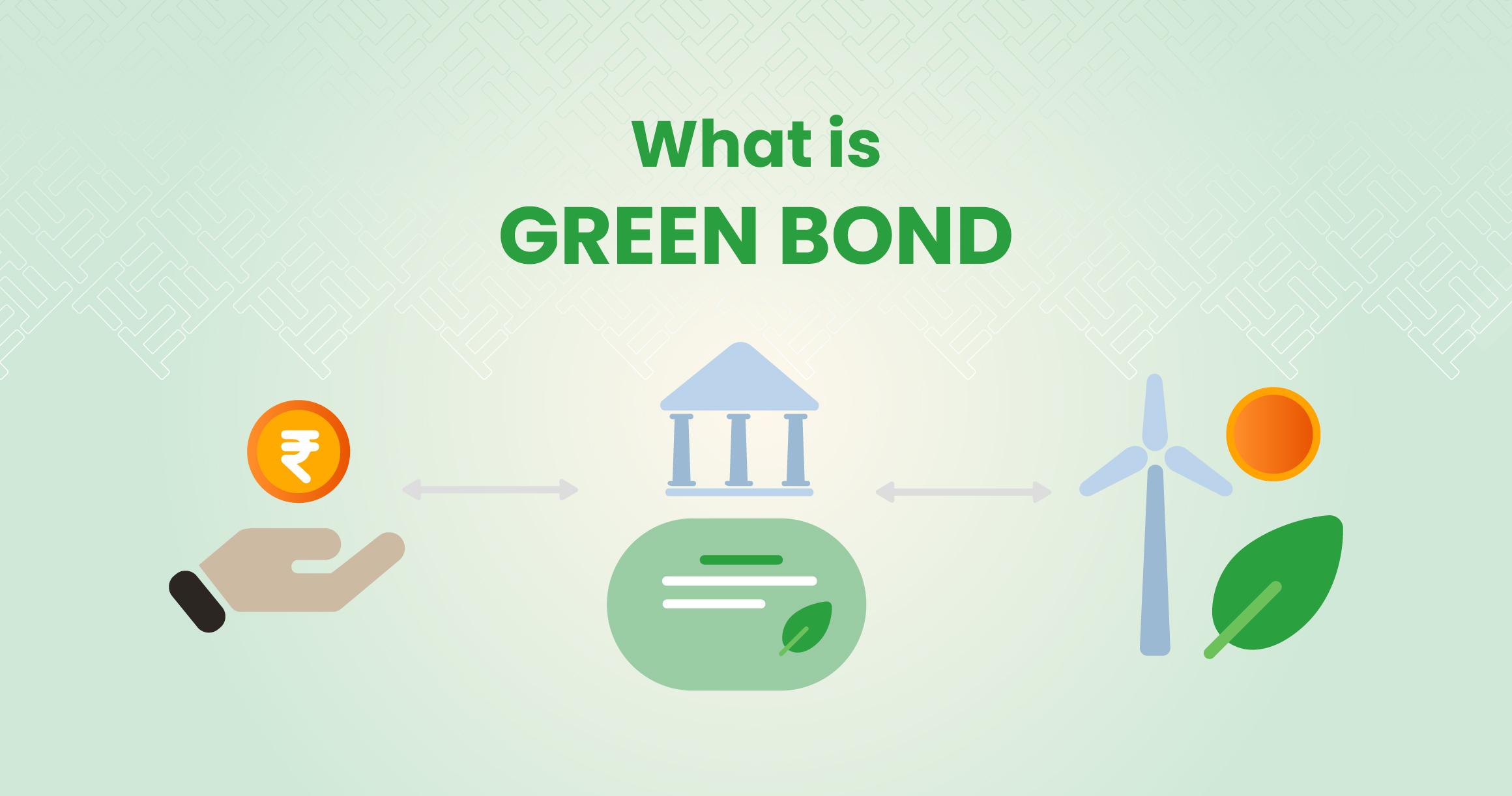
Maximizing Returns through Green Bonds and Renewable Energy Stocks
In the evolving landscape of sustainable investments, green bonds and renewable energy stocks have emerged as pivotal tools for investors seeking to both enhance their portfolios and contribute to environmental sustainability. These investment vehicles offer a compelling blend of financial returns and societal impact, catering to a growing demographic of eco-conscious investors. The allure of green bonds lies in their ability to fund projects that promote environmental sustainability, from clean energy initiatives to sustainable infrastructure. They provide a stable and often tax-advantaged income stream, making them a strategic choice for long-term wealth building.
On the other hand, renewable energy stocks present an opportunity for growth-oriented investors to capitalize on the global shift towards cleaner energy sources. The sector is characterized by rapid innovation and robust governmental support, offering potential for significant capital appreciation. Investors can diversify their holdings by exploring:
- Solar and wind energy companies: These are often at the forefront of technological advancements and market expansion.
- Hydroelectric power firms: Known for their stable returns and low volatility.
- Energy storage solutions: Critical for the scalability of renewable energy infrastructure.
By strategically integrating these sustainable assets into their portfolios, investors can achieve a dual objective: maximizing financial returns while fostering a positive environmental impact for future generations.

Implementing Family Wealth Plans with Ethical Investment Practices
When crafting a plan for family wealth that aligns with ethical values, it’s crucial to consider the principles of sustainable investing. This approach not only focuses on financial returns but also emphasizes social and environmental responsibility. Ethical investment practices involve selecting assets that contribute positively to society and the planet. This could include investing in companies that prioritize renewable energy, sustainable agriculture, or equitable labor practices. By integrating these values into your wealth plan, you are setting a precedent for future generations to continue making conscientious financial decisions.
- Environmental Sustainability: Invest in companies that are committed to reducing their carbon footprint and promoting green technologies.
- Social Responsibility: Look for investments in businesses that support fair trade, community development, and diversity in the workplace.
- Governance: Ensure the companies you invest in have transparent governance structures and adhere to ethical business practices.
Incorporating these factors into your investment strategy not only aligns with a broader ethical vision but can also mitigate risks associated with environmental and social governance (ESG) factors. By focusing on long-term sustainability, you are not only securing financial stability for your family but also contributing to a healthier planet and society.