

Planning for retirement can often seem like a daunting task, but with the right strategies, you can grow your retirement savings with minimal effort. In this article, we’ll explore the most effective and straightforward methods to bolster your financial future, allowing you to enjoy a comfortable and secure retirement. Whether you’re just starting your career or are well on your way, these tips are designed to fit seamlessly into your lifestyle, ensuring your savings grow steadily and efficiently. With a confident approach and the right guidance, you can make your retirement dreams a reality without the stress of constant financial management. Let’s dive into the best ways to maximize your savings with ease.
Maximize Your 401(k) Contributions for Long-Term Growth
One of the most effective ways to ensure a robust retirement fund is by making the most of your 401(k) contributions. Automating your contributions can help you stay consistent without the need for constant monitoring. Many employers offer the option to set up automatic deductions from your paycheck, allowing you to increase your savings without lifting a finger. Additionally, take advantage of employer matching programs. If your employer offers a match, ensure you contribute enough to get the full benefit, as it’s essentially free money added to your retirement savings.
- Increase contributions annually: Consider boosting your contributions each year, especially when you receive a raise. Even a small increase can have a significant impact over time.
- Utilize catch-up contributions: If you’re over 50, take advantage of catch-up contributions to supercharge your savings. This allows you to contribute more than the standard limit, helping you make up for any lost time.
- Choose low-cost index funds: Opt for funds with low fees to maximize your investment returns. High fees can erode your savings over the long term.
Remember, the earlier you start, the more time your money has to grow. Small, consistent actions can lead to substantial growth, setting you up for a more secure retirement.

Harness the Power of Compound Interest Through Automated Investments
One of the most effective strategies to maximize your retirement savings with minimal effort is to take advantage of automated investment tools that leverage the magic of compound interest. Compound interest is the process by which the value of an investment increases because the earnings on an investment, both capital gains and interest, earn interest as time passes. By setting up automated investments, you ensure consistent contributions to your portfolio, allowing compound interest to work its wonders over time.
Consider these key benefits of using automated investments for your retirement savings:
- Consistency: Automation ensures regular contributions without having to remember or make manual transactions, which is essential for long-term growth.
- Cost Averaging: Regular, automated investments help in buying more shares when prices are low and fewer when prices are high, balancing out the cost over time.
- Time Efficiency: Set it and forget it! Automation reduces the need to constantly monitor and adjust your investments, freeing up your time for other pursuits.
- Discipline: By automating, you remove the emotional decision-making that often leads to market-timing mistakes, staying committed to your financial goals.
Utilizing the power of automation in tandem with compound interest can significantly enhance your retirement savings, turning what might seem like small, regular contributions into a robust nest egg over time.

Diversify Your Portfolio with Low-Cost Index Funds
Incorporating low-cost index funds into your retirement savings strategy is a smart and efficient way to bolster your financial future. These funds offer broad market exposure at a fraction of the cost of actively managed funds, which means more of your money is working for you rather than being eaten up by fees. With a passive investment strategy, index funds aim to replicate the performance of a specific market index, like the S&P 500, by holding all or a representative sample of the securities in that index. This approach not only simplifies the investment process but also helps in reducing the risks associated with individual stock picking.
- Cost-Effective: Index funds generally have lower expense ratios compared to actively managed funds, ensuring you retain more of your returns.
- Diversification: By investing in a wide range of companies across various sectors, index funds provide built-in diversification, reducing the impact of any single asset’s poor performance.
- Consistency: Historical data shows that index funds often outperform actively managed funds over the long term, offering a reliable path to growing your retirement savings.
- Simplicity: With minimal management required, these funds offer a hassle-free investment experience, allowing you to focus on other aspects of your retirement planning.
choosing low-cost index funds can be a key component of a well-rounded retirement portfolio, offering growth potential with minimal effort. By leveraging their inherent advantages, you can pave the way for a secure and prosperous retirement.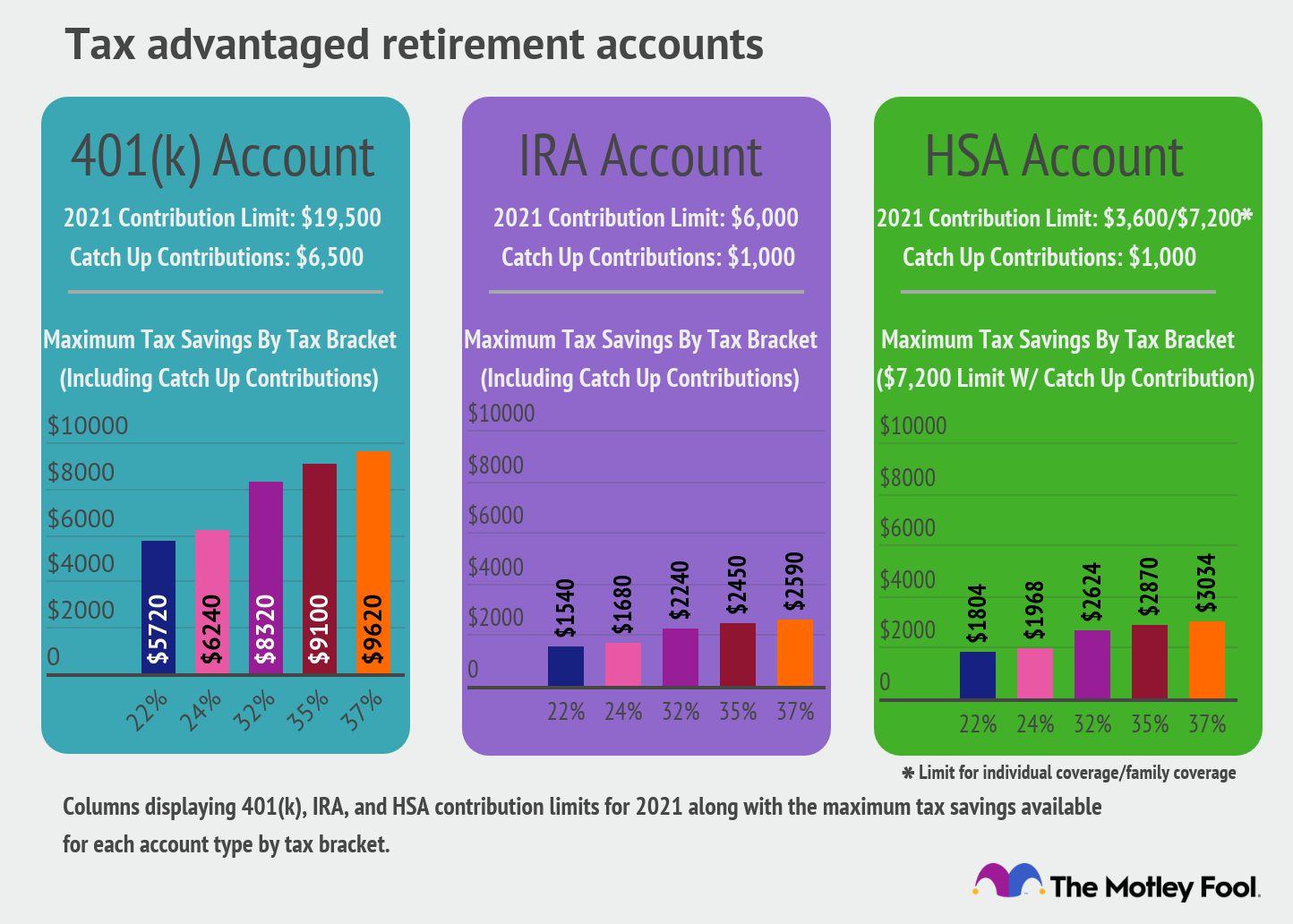
Utilize Tax-Advantaged Accounts for Enhanced Savings
One of the simplest and most effective strategies to amplify your retirement savings is by leveraging tax-advantaged accounts. These accounts offer significant tax benefits, allowing your investments to grow more efficiently over time. Here’s how you can make the most of them:
- 401(k) Plans: Maximize your employer-sponsored 401(k) contributions. Many employers offer matching contributions, essentially giving you free money to boost your savings. Aim to contribute at least enough to get the full match.
- Individual Retirement Accounts (IRAs): Consider opening a Traditional or Roth IRA. Contributions to a Traditional IRA may be tax-deductible, while Roth IRAs allow for tax-free withdrawals in retirement. Choose the one that aligns with your tax situation and retirement goals.
- Health Savings Accounts (HSAs): Often overlooked, HSAs offer triple tax advantages: contributions are tax-deductible, growth is tax-free, and withdrawals for qualified medical expenses are also tax-free. Maximize your contributions if you have a high-deductible health plan.
By strategically using these accounts, you not only reduce your current taxable income but also position your savings for more substantial growth. Take full advantage of these opportunities to ensure a more secure and prosperous retirement.