

Creating a flexible retirement plan is essential in today’s dynamic world, where economic shifts, personal goals, and unforeseen circumstances can significantly impact your financial future. While traditional retirement planning often relies on static assumptions, a modern approach embraces adaptability, ensuring your strategy remains robust against life’s uncertainties. In this guide, we’ll walk you through the key steps to crafting a retirement plan that evolves with your changing needs, empowering you to maintain financial security and peace of mind throughout your golden years. With the right tools and mindset, you can build a resilient plan that not only meets your current expectations but also adapts to whatever the future holds.
Understanding Your Retirement Goals and Priorities
To craft a retirement plan that truly serves you, it’s crucial to identify what matters most in your golden years. Consider aspects such as financial security, lifestyle aspirations, and personal fulfillment. Start by asking yourself key questions: Do you envision traveling extensively, or is staying close to family your priority? Are you focused on maintaining your current standard of living, or are you open to downsizing? Defining these priorities can help you align your financial strategies with your personal goals.
Once you’ve pinpointed your priorities, categorize them into short-term, medium-term, and long-term goals. This will not only guide your planning but also provide clarity on which objectives may require more immediate attention. Here are some common retirement goals to consider:
- Ensuring a steady income stream through investments or pensions
- Funding healthcare and potential long-term care needs
- Maintaining an active and healthy lifestyle
- Providing for family or leaving a legacy
By understanding and prioritizing these goals, you create a robust foundation for a retirement plan that can adapt as your circumstances and aspirations evolve over time.
Building a Diverse Investment Portfolio for Flexibility
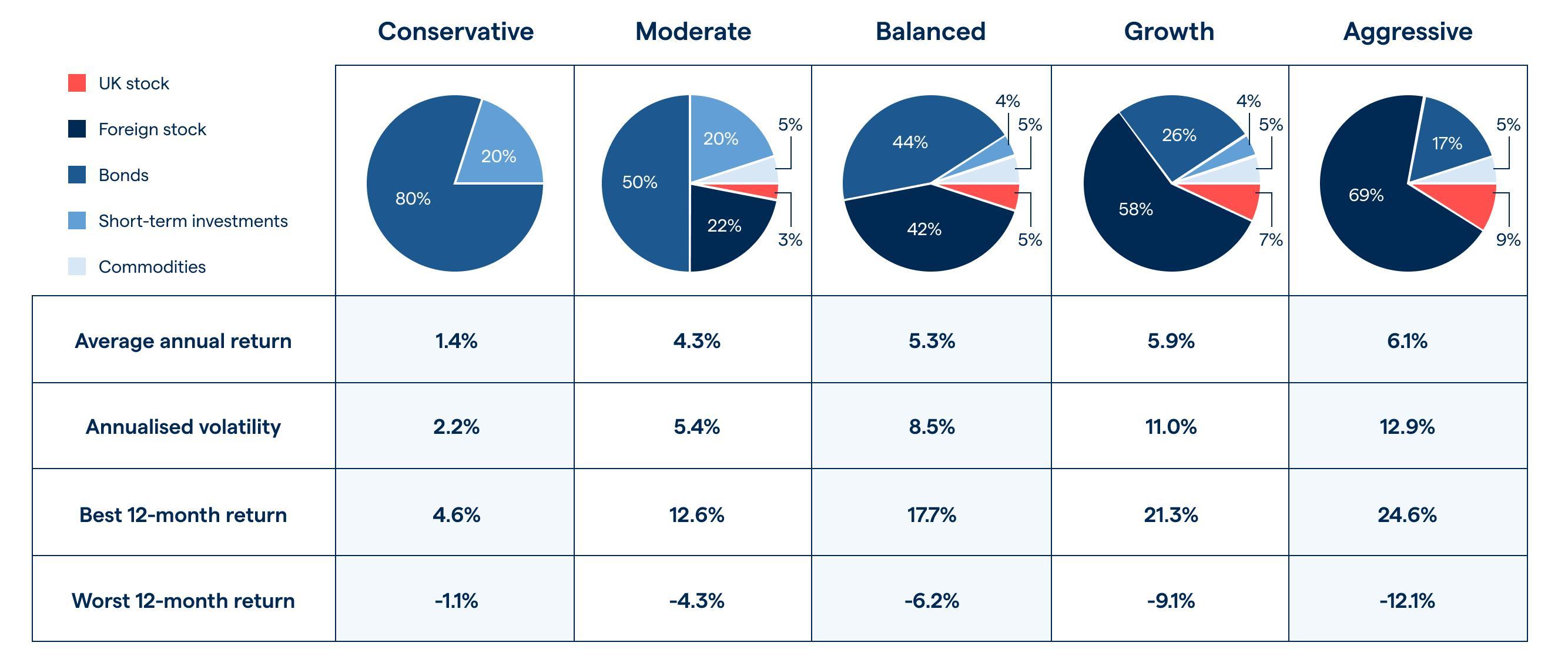
Crafting a retirement plan that is resilient to life’s unpredictabilities begins with diversifying your investment portfolio. This approach not only helps in spreading risk but also provides the flexibility to pivot in response to market shifts and personal life changes. Consider incorporating a variety of asset classes, such as:
- Stocks: Offering potential for growth, stocks can be a crucial component of a long-term strategy, but ensure to balance them with less volatile options.
- Bonds: These provide stability and income, acting as a cushion during market downturns.
- Real Estate: Real estate investments can generate passive income and serve as a hedge against inflation.
- Mutual Funds and ETFs: These can offer diversified exposure to multiple asset classes, reducing the complexity of managing individual securities.
- Alternative Investments: Consider adding commodities, hedge funds, or cryptocurrencies to introduce non-traditional growth opportunities.
Regularly reassess and rebalance your portfolio to align with evolving goals and risk tolerance. This proactive approach ensures your retirement plan remains adaptable, safeguarding your financial future against unforeseen changes.

Incorporating Health Care and Lifestyle Changes into Your Plan
When crafting a retirement plan that remains resilient and adaptable, it’s crucial to integrate both health care and lifestyle changes as fundamental components. Health care costs can escalate unpredictably, so ensuring that your plan includes a comprehensive strategy for managing these expenses is essential. Consider options like long-term care insurance or a health savings account (HSA) to cover unforeseen medical expenses. Additionally, regular health check-ups and preventive care can help mitigate future costs and maintain a high quality of life.
Beyond healthcare, embracing lifestyle changes can profoundly impact your retirement satisfaction and longevity. Consider the following adaptable lifestyle adjustments:
- Stay Active: Incorporate daily physical activities that you enjoy, such as walking, yoga, or cycling.
- Nutritional Adjustments: Opt for a balanced diet that supports your health needs and preferences.
- Social Engagement: Cultivate a social network that keeps you connected and engaged, whether through clubs, volunteering, or community events.
- Lifelong Learning: Embrace opportunities for personal growth and learning, such as classes or online courses.
By proactively integrating these elements into your retirement strategy, you ensure that your plan is not only robust but also flexible enough to adapt to life’s inevitable changes.
Regularly Reviewing and Adjusting Your Retirement Strategy
To ensure your retirement plan remains effective, it’s essential to make regular assessments and adjustments. Life is dynamic, and your retirement strategy should be too. Begin by scheduling annual reviews of your plan. During these reviews, take into account changes in personal circumstances such as job transitions, health issues, or shifts in family responsibilities. It’s also crucial to stay informed about economic factors like inflation rates and market trends, as these can impact your retirement savings and expenses.
- Monitor your investment performance: Regularly check how your investments are performing and make adjustments to your portfolio if necessary.
- Evaluate your spending needs: As your lifestyle or priorities change, so too might your spending patterns. Ensure your plan reflects these changes.
- Update your goals: Life goals evolve, and your retirement plan should mirror these shifts. Whether it’s traveling more or supporting family, align your strategy accordingly.
By consistently reviewing and tweaking your retirement plan, you can adapt to life’s unpredictabilities, ensuring that your golden years are both secure and fulfilling.