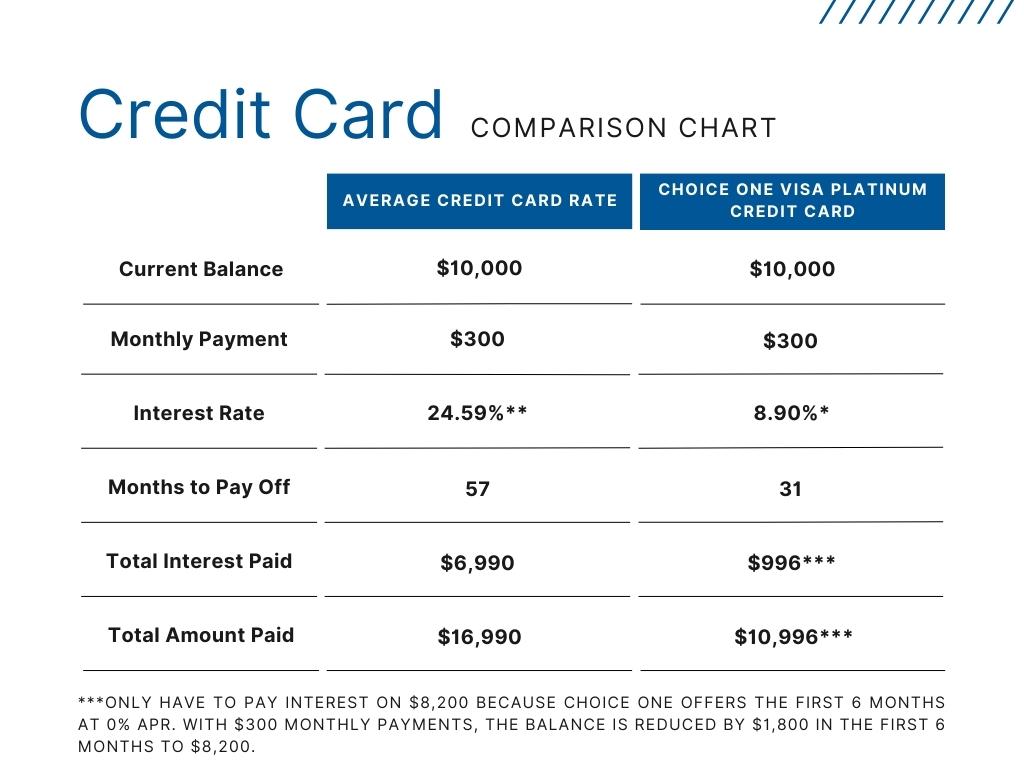

In the intricate landscape of personal finance, debt management often emerges as a daunting challenge for many individuals. However, with strategic planning and the right tools, this challenge can be transformed into a manageable journey toward financial freedom. One such tool that has gained significant traction is the balance transfer card. Designed to offer a temporary reprieve from high-interest rates, balance transfer cards present an invaluable opportunity for those seeking to streamline their debt repayment efforts. This article delves into the mechanics of balance transfer cards, offering a comprehensive guide on how to effectively leverage them to reduce debt, optimize repayment strategies, and ultimately, regain control over your financial future. Whether you’re juggling multiple credit card balances or simply looking to reduce interest payments, understanding how to harness the power of balance transfer cards could be the pivotal step in your debt repayment journey.
Understanding Balance Transfer Cards and Their Benefits
Balance transfer cards can be a powerful tool for those looking to manage and reduce their debt efficiently. These cards allow you to transfer existing high-interest credit card balances to a new card with a lower interest rate, often offering an introductory 0% APR period. This can significantly reduce the amount of interest you pay over time, allowing you to focus more on paying down the principal balance. By strategically using these cards, you can streamline your debt repayment process and potentially save hundreds or even thousands of dollars in interest.
- Lower Interest Rates: Take advantage of introductory rates to reduce the cost of your debt.
- Consolidation: Simplify your finances by combining multiple balances into one manageable payment.
- Credit Score Improvement: By reducing your debt more efficiently, you may see a positive impact on your credit score.
- Flexible Repayment: Use the interest-free period to create a repayment plan that fits your budget.
It’s important to read the terms and conditions carefully, as balance transfer cards may come with fees, and the interest rate may increase significantly after the introductory period ends. However, when used wisely, these cards can be a crucial step toward achieving financial stability and freedom from debt.

Strategies for Selecting the Right Balance Transfer Card
When it comes to choosing a balance transfer card, it’s crucial to align your selection with your financial goals. Begin by examining the introductory APR period; a longer period offers more time to pay off your debt interest-free. Look for cards offering at least 12-18 months of 0% APR to maximize your savings. Additionally, be aware of the balance transfer fees. While many cards charge 3-5% of the transferred amount, some cards might offer no-fee transfers, which can be a significant advantage if you’re transferring a large balance.
- Credit Limit: Ensure the card provides a credit limit that covers the amount you plan to transfer.
- Ongoing APR: Consider the APR after the introductory period ends, as any remaining balance will incur interest at this rate.
- Rewards and Benefits: While not the primary focus, additional perks like cash back or travel rewards can add value.
review the card issuer’s reputation for customer service and their digital tools, which can make managing your account easier. By considering these factors, you’ll be well-equipped to choose a balance transfer card that supports your debt repayment strategy effectively.
Maximizing Savings with Balance Transfer Offers
To truly capitalize on balance transfer offers, it’s essential to understand the strategic advantages they provide. By transferring high-interest debt to a card with a lower or zero percent introductory rate, you can reduce the amount of interest paid over time. This means more of your monthly payment goes toward the principal balance, accelerating your debt repayment journey. However, the key is to be disciplined and committed to a repayment plan during the promotional period.
When selecting a balance transfer card, consider the following crucial factors:
- Introductory APR Duration: Look for offers with extended zero percent periods, ideally 12 months or more, to give yourself ample time to repay the debt without interest.
- Balance Transfer Fees: Although many cards charge a fee for balance transfers, usually 3% to 5% of the transferred amount, it’s important to calculate if the interest savings outweigh these fees.
- Credit Limit: Ensure the card’s credit limit can accommodate your transfer needs, keeping in mind that maxing out the card can impact your credit score.
- Post-Introductory APR: Understand what the interest rate will revert to after the introductory period, and make sure it’s still manageable within your financial plan.
By carefully evaluating these elements and committing to a disciplined payment strategy, you can significantly reduce your debt burden and work towards financial freedom with confidence.

Avoiding Common Pitfalls in Balance Transfer Card Usage
When utilizing balance transfer cards as a tool for debt repayment, it’s essential to be aware of some frequent missteps that can undermine your financial progress. Here are a few key areas to consider:
- Ignoring Transfer Fees: While the allure of a low or 0% introductory APR is tempting, don’t overlook the balance transfer fees, which typically range from 3% to 5% of the transferred amount. These fees can add up and should be factored into your repayment strategy.
- Missing the Promotional Window: Many balance transfer cards offer their low-interest rates for a limited time, often between 12 to 18 months. Failing to pay off your balance within this period can result in a significant increase in interest charges. Plan your payments to ensure you clear your debt before the promotional rate expires.
- Continuing to Accumulate Debt: It’s crucial to address the spending habits that led to the initial debt. Relying on balance transfer cards without changing these habits can lead to an endless cycle of debt. Focus on creating a sustainable budget and avoid making new purchases with your credit cards.
- Overlooking the Fine Print: Always read the terms and conditions carefully. Some cards may impose penalties for late payments or not meeting minimum payments, which can negate the benefits of a low-interest rate.
By steering clear of these common pitfalls, you can effectively leverage balance transfer cards to manage and eventually eliminate your debt, paving the way for a more secure financial future.