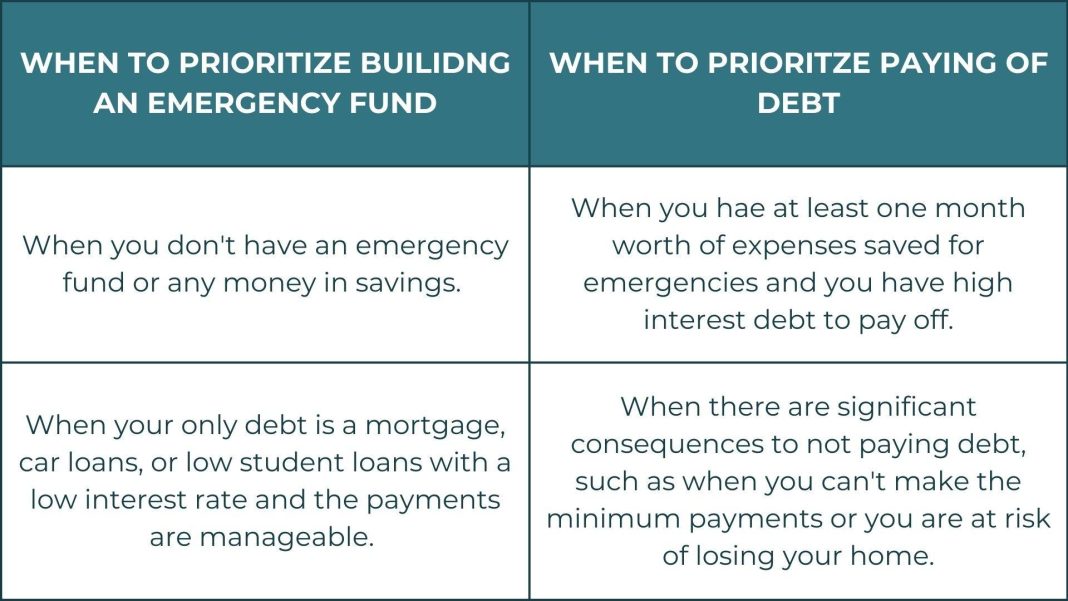

In today’s fast-paced world, achieving financial stability can often feel like an elusive goal, especially when burdened with debt. However, the journey to financial freedom doesn’t have to mean putting your dreams on hold. By adopting strategic approaches, you can effectively manage debt while simultaneously working towards your personal and financial goals. This guide will empower you with actionable insights and practical tips to save money without sacrificing your aspirations. Whether you’re looking to build an emergency fund, invest in your future, or simply enjoy life’s little luxuries, this article will show you how to balance your financial responsibilities with your ambitions, confidently paving the way to a secure and fulfilling future.
Create a Budget That Balances Debt Payments and Savings
Achieving a harmonious balance between paying off debt and building savings is crucial for financial stability. Start by analyzing your monthly income and expenses to determine how much you can allocate to each goal. Establish a realistic budget by listing all your debts and their minimum payments, then identify areas where you can cut back to free up extra funds. Prioritize high-interest debts, as these can cost you more over time, but don’t neglect to put something aside for your savings, even if it’s a modest amount.
Consider using the 50/30/20 rule as a guide: allocate 50% of your income to necessities, 30% to discretionary spending, and 20% to savings and debt repayment. Customize this rule to fit your personal financial situation. For instance, if your debt load is significant, you might adjust the percentages to focus more on debt repayment. Incorporate automated transfers to ensure consistent savings, and set up reminders to review and adjust your budget regularly. This proactive approach will keep you aligned with your financial goals without feeling overwhelmed.

Prioritize High-Interest Debts to Maximize Financial Gains
When navigating the complex landscape of debt repayment, focusing on high-interest debts can dramatically enhance your financial strategy. These debts, often stemming from credit cards or personal loans, accrue interest at a rate that can quickly spiral out of control if left unattended. By prioritizing them, you can significantly reduce the total interest paid over time, freeing up resources for other financial goals.
- Identify: Start by listing all your debts along with their interest rates. Highlight those with the highest rates to target first.
- Allocate: Direct any extra payments towards these high-interest debts while maintaining minimum payments on others. This accelerates debt reduction.
- Leverage: Consider consolidating high-interest debts into a lower-interest option, such as a balance transfer credit card or a personal loan, to further minimize costs.
By strategically attacking high-interest debts, you’re not just paying off what you owe but also optimizing your financial future. This approach empowers you to save more in the long run, ensuring your financial goals remain within reach.
Utilize Automated Savings to Ensure Consistent Contributions
Imagine having a silent ally that ensures your financial progress even as you tackle debt head-on. That’s the magic of automated savings. By setting up automatic transfers from your checking account to a dedicated savings account, you create a consistent contribution pattern that aligns with your financial goals. This method removes the temptation to skip a month of savings, ensuring that your future remains a priority without constant manual intervention.
Embrace the simplicity of this strategy by following a few key steps:
- Choose a realistic amount: Start with a manageable figure that doesn’t strain your monthly budget. Over time, you can increase this amount as your debt decreases.
- Set specific dates: Align the transfer dates with your paydays to avoid any cash flow issues.
- Use a high-yield savings account: Opt for an account that offers competitive interest rates to maximize your savings potential.
By incorporating these steps, you build a safety net while steadily working toward debt reduction, all without sacrificing your financial aspirations.

Explore Side Hustles to Boost Income Without Derailing Your Goals
In today’s dynamic economy, finding a side hustle that complements your lifestyle and financial objectives can significantly enhance your income stream without compromising your long-term goals. Here are a few practical ideas to get you started:
- Freelancing: Utilize your skills in writing, graphic design, or web development on platforms like Upwork or Fiverr. This allows you to work on projects that fit your schedule, ensuring that your primary responsibilities remain your top priority.
- Online Tutoring: Share your expertise in a subject you love by teaching online. Websites like VIPKid or Chegg Tutors can connect you with students, providing a flexible schedule that won’t interfere with your main commitments.
- Virtual Assistance: Offer administrative support to businesses or entrepreneurs remotely. This can include tasks like managing emails, scheduling, or social media management, often allowing you to choose your hours.
By carefully selecting a side hustle that aligns with your existing skills and interests, you can effectively increase your income while staying focused on your overarching financial goals. Remember, the key is to ensure your side hustle is manageable and does not lead to burnout, keeping your primary objectives at the forefront.