

Managing debt can often feel overwhelming, but it doesn’t have to be a source of constant stress. With the right strategies and mindset, staying on top of your debt payments can become a manageable part of your financial routine. In this article, we will explore practical steps and effective techniques to help you take control of your debt without the anxiety. From budgeting tips to prioritization strategies, we’ll equip you with the tools you need to handle your financial obligations confidently and calmly. Whether you’re dealing with student loans, credit card balances, or other types of debt, these insights will empower you to create a sustainable plan that fits your lifestyle, ensuring you stay on track and stress-free.
Create a Realistic Budget and Stick to It
Crafting a budget that mirrors your financial reality is essential to managing debt without feeling overwhelmed. Start by listing all your monthly income sources and then proceed to identify your fixed expenses such as rent, utilities, and loan repayments. Variable expenses like groceries, entertainment, and dining out should also be accounted for, but with a flexible allocation. This approach helps you visualize where your money is going and allows for adjustments where necessary.
- Identify Needs vs. Wants: Differentiate between essential expenses and discretionary spending. This distinction will help you make conscious decisions about where to cut back if needed.
- Set Realistic Goals: Establish achievable savings goals and debt repayment plans. This keeps you motivated and reduces stress, as you can see progress over time.
- Use Budgeting Tools: Leverage apps and spreadsheets to track your spending in real-time. This ensures you’re always aware of your financial standing and can make timely adjustments.
Remember, the key is not just to create a budget but to make it a living document that evolves with your financial situation. Regular reviews and adjustments are vital to staying on track and maintaining a sense of control over your financial life.

Utilize Technology for Efficient Payment Management
In today’s fast-paced world, leveraging technology can transform the way you manage your debt payments, making the process more streamlined and less stressful. Start by utilizing financial management apps that help track your payment schedules and send reminders. These apps can provide a holistic view of your finances, ensuring you never miss a due date. Consider features like automated payments, which not only save time but also help in avoiding late fees. Additionally, many apps offer personalized insights and suggestions on how to optimize your payment strategies.
- Budgeting Tools: Use apps that offer budgeting capabilities to allocate funds effectively and ensure your debt payments are prioritized.
- Payment Alerts: Set up notifications for upcoming due dates and payment confirmations to stay informed and reduce anxiety.
- Financial Dashboards: Access comprehensive dashboards that visualize your debt reduction progress and motivate you to stay on track.
By integrating these technological solutions into your financial routine, you can maintain control over your debt management process, all while minimizing the stress typically associated with it.
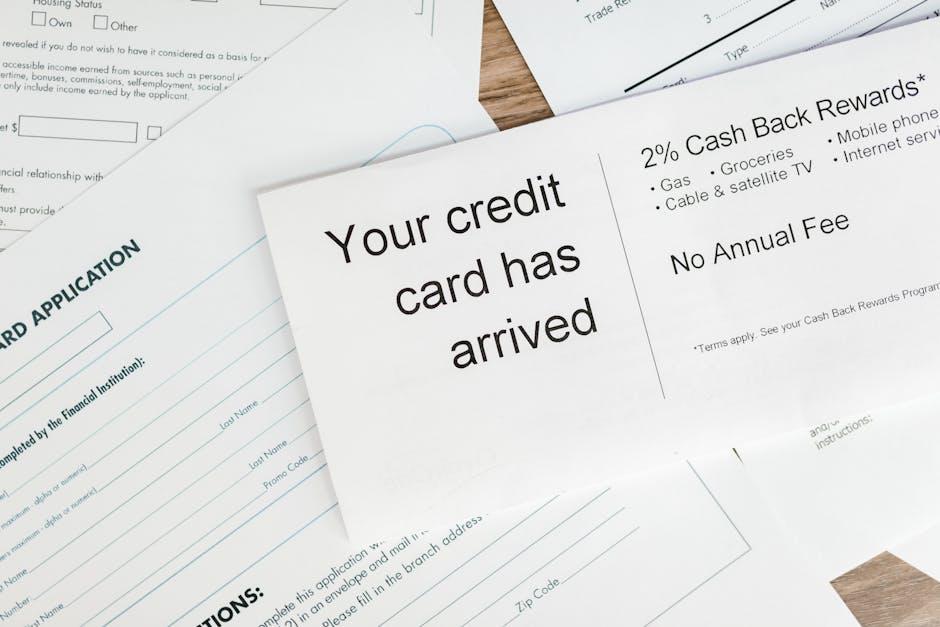
Prioritize High-Interest Debts for Faster Relief
One of the most effective strategies to manage your debt efficiently is to focus on those with the highest interest rates. Tackling these debts first not only helps reduce the overall interest you pay but also accelerates your journey towards financial freedom. Here’s how you can do it:
- Identify High-Interest Debts: Make a list of all your debts and rank them by interest rate. Credit cards, payday loans, and certain personal loans often carry higher rates.
- Allocate Extra Funds: Direct any additional income or savings towards these debts. Whether it’s a bonus, tax refund, or savings from a budget cut, every bit helps.
- Consider Consolidation: Explore options to consolidate high-interest debts into a lower-interest loan. This can simplify your payments and potentially lower your interest burden.
- Stay Consistent: Keep making minimum payments on other debts while focusing on the high-interest ones. This prevents late fees and maintains your credit score.
By prioritizing debts with the highest interest rates, you can streamline your repayment process and gain financial relief faster. With a disciplined approach, you’ll see your debt decrease, reducing stress and increasing your confidence in managing your finances.
Seek Professional Advice to Optimize Your Strategy
When it comes to managing debt, the value of seeking guidance from a financial expert cannot be overstated. Financial advisors or debt counselors bring a wealth of knowledge and experience to the table, offering personalized strategies tailored to your unique financial situation. By consulting a professional, you can benefit from:
- Customized payment plans that align with your income and expenditure patterns.
- Insightful analysis of your financial habits to identify areas for improvement.
- Access to tools and resources that can streamline your debt management process.
Furthermore, a professional can help you navigate the complexities of interest rates and debt consolidation options, ensuring that you make informed decisions. This proactive approach not only reduces stress but also empowers you to regain control over your financial future.