

Managing finances for a large family on a tight income can feel like navigating a complex maze with numerous twists and turns. Yet, with the right strategies and a disciplined approach, it is entirely possible to not only make ends meet but also to create a stable financial future. In this guide, we will explore effective budgeting techniques tailored specifically for families who are looking to maximize their resources without compromising on essential needs. From prioritizing expenses to finding creative ways to save, this article provides a comprehensive roadmap to help you take control of your finances and ensure your family’s well-being. Embrace these practical tips and transform financial stress into a manageable, organized plan that supports your family’s growth and happiness.
Assessing Your Familys Financial Needs and Priorities
Understanding your family’s financial needs begins with a clear assessment of both essential and discretionary expenses. Start by listing all non-negotiable expenses such as housing, utilities, groceries, and transportation. These are the backbone of your budget and should be prioritized. Next, identify areas where you can potentially cut costs. Consider these questions: Can you reduce utility bills by conserving energy? Are there more affordable grocery options without compromising on nutrition? These small adjustments can significantly impact your overall financial health.
- Evaluate each family member’s needs versus wants.
- Identify recurring expenses that can be minimized or eliminated.
- Consider long-term goals such as education and retirement savings.
Once you’ve identified your financial priorities, involve your family in the budgeting process. Discuss the importance of sticking to the budget and the benefits it brings, such as reduced stress and increased savings. Encourage open communication about financial challenges and goals, fostering a team mentality that emphasizes working together to achieve financial stability. By aligning your family’s spending habits with your financial priorities, you create a sustainable plan that accommodates your large family’s needs even on a tight income.
Crafting a Realistic and Flexible Family Budget
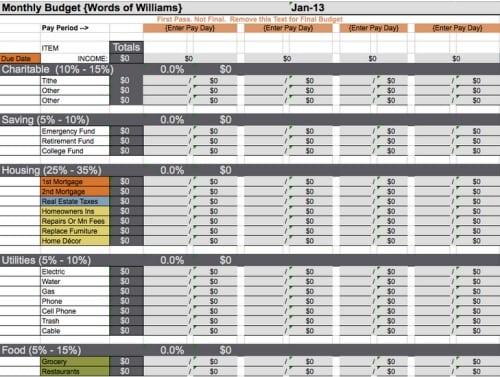
Creating a budget for a large family on a tight income requires both precision and adaptability. Begin by assessing your total household income and identifying all fixed expenses, such as rent, utilities, and insurance. Next, calculate variable expenses like groceries, transportation, and clothing. This will give you a clear picture of your financial landscape. To make this process easier, consider using budgeting apps or spreadsheets that can automate and track your expenses. Consistently update these tools to reflect any changes in your financial situation.
To maintain flexibility, it’s crucial to establish a savings buffer for unexpected expenses. Start by setting aside a small amount each month, even if it’s modest. This will help cushion against unforeseen costs like medical emergencies or car repairs. Additionally, involve your family in the budgeting process to ensure everyone is aware of financial priorities. Encourage cost-saving habits such as:
- Buying in bulk to save on groceries.
- Using public transportation or carpooling.
- Embracing DIY solutions for home maintenance.
- Opting for free or low-cost family activities.
By fostering a collective effort, you can create a budget that not only meets your family’s needs but also builds a secure financial future.

Implementing Cost-Saving Strategies and Smart Shopping Tips
For families navigating the complexities of budgeting on a tight income, implementing cost-saving strategies can be a game-changer. Begin by evaluating your current expenses and identifying areas where you can reduce costs without compromising on essentials. Meal planning is an effective strategy that can significantly cut down on grocery bills. By planning meals weekly and sticking to a shopping list, you avoid impulse buys and make the most of seasonal sales and discounts. Additionally, consider bulk buying for non-perishable items or joining a wholesale club, which often offers better prices for larger families.
When it comes to smart shopping, focus on finding quality over quantity. Prioritize purchasing durable, long-lasting products even if they come at a slightly higher upfront cost, as they tend to be more economical in the long run. Utilize online resources and apps that offer price comparisons and cashback rewards. Look out for clearance sales, coupons, and promotional offers. Here are a few tips to enhance your shopping strategy:
- Set a clear budget for each shopping trip and stick to it.
- Opt for generic or store brands which often offer similar quality at a lower price.
- Explore local markets and thrift stores for affordable alternatives.
By applying these strategies, families can stretch their dollars further, ensuring they meet their needs without financial strain.
Maximizing Community Resources and Support Networks
One of the most effective strategies for stretching a tight budget is to tap into the wealth of resources and support networks within your community. Begin by identifying local food banks and community kitchens that offer free or low-cost meals. Many of these organizations are eager to assist families in need and often provide additional resources such as clothing and school supplies. Don’t hesitate to reach out to non-profit organizations and church groups, which frequently run programs specifically designed to support large families.
Utilizing community resource centers can also be a game-changer. These centers often offer free workshops on financial literacy, meal planning, and budgeting, providing valuable skills that can help you manage your finances more effectively. Connect with local parenting groups on social media platforms or community forums to exchange tips and find out about additional resources. These groups can be a treasure trove of information on everything from second-hand clothing swaps to discounted extracurricular activities. Remember, by actively engaging with your community, you can unlock a network of support that can significantly alleviate the financial pressures of raising a large family.