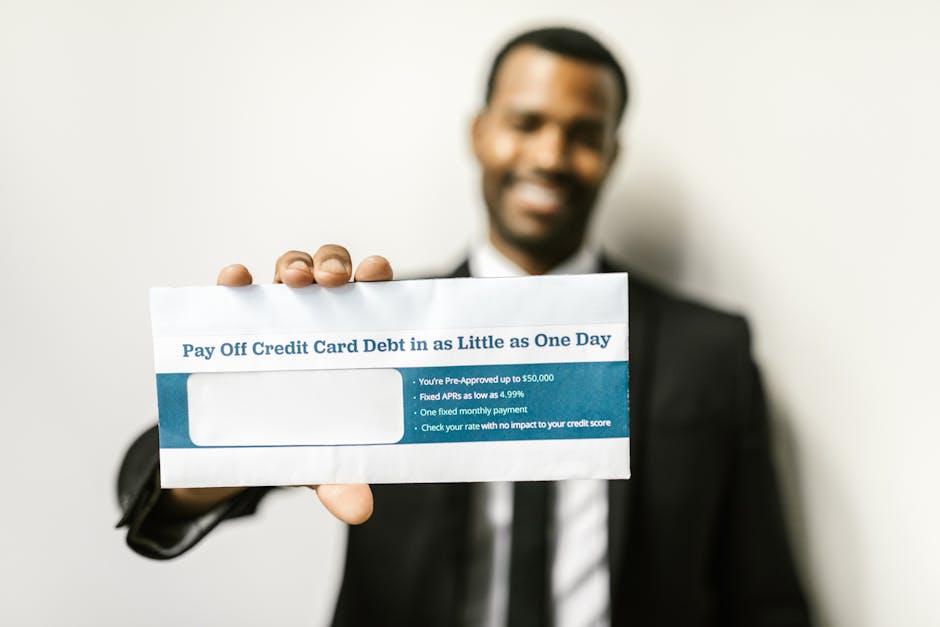

In today’s fast-paced world, credit cards have become indispensable tools for managing expenses, offering convenience and flexibility at the swipe of a card. However, for many, this convenience comes with a hefty price: mounting debt that seems insurmountable. If you’re finding yourself trapped in a cycle of minimum payments and rising interest rates, it’s time to take decisive action. This guide will walk you through a proven strategy to eliminate credit card debt once and for all, empowering you to regain control of your financial future. With practical steps, expert insights, and a steadfast commitment, you can break free from the shackles of debt and embark on a path to lasting financial freedom. Let’s get started.
Understanding Your Debt Situation
Before embarking on the journey to eliminate credit card debt, it’s crucial to gain a clear picture of your current financial landscape. Start by listing all your credit card accounts, including the balance owed, interest rates, and minimum monthly payments for each. This will help you understand where you stand and identify which debts are the most pressing. Knowing your debt situation is the first step towards creating a successful repayment strategy.
- Total Debt Amount: Sum up all your balances to get the full scope of what you owe.
- Interest Rates: Identify which cards have the highest interest rates, as these will cost you more over time.
- Monthly Payments: Note the minimum payments required, but remember, paying only the minimum will prolong your debt.
Once you have this information, consider creating a budget that accommodates more than just the minimum payments. This will accelerate your debt reduction efforts. Understanding your debt isn’t just about numbers; it’s about recognizing patterns and behaviors that led to the current situation, enabling you to make informed decisions moving forward.
Creating a Realistic Repayment Plan
Establishing a repayment plan that reflects your financial reality is essential for conquering credit card debt. Start by taking a comprehensive look at your monthly income and expenses. This will help you determine how much you can realistically allocate towards debt repayment without sacrificing your essential needs. Be honest with yourself—overshooting your budget can lead to frustration and failure. Instead, aim for a sustainable pace that will keep you motivated over the long haul.
- Prioritize high-interest debt: Focus on paying off credit cards with the highest interest rates first to minimize the total interest paid over time.
- Consider the snowball method: Pay off smaller debts first to build momentum and boost your confidence.
- Automate payments: Set up automatic transfers to ensure you never miss a payment, which helps avoid late fees and reduces stress.
- Adjust as needed: Life happens. If unexpected expenses arise, be flexible and adjust your repayment plan accordingly to stay on track.
Remember, the key to a successful repayment strategy is consistency. By sticking to a plan that fits your lifestyle, you will steadily chip away at your debt and move closer to financial freedom.

Implementing Effective Spending Controls
To regain control over your financial situation, it’s crucial to establish spending controls that keep your credit card use in check. Begin by setting a strict budget that aligns with your income and essential expenses. This budget should clearly delineate between needs and wants, ensuring that discretionary spending doesn’t derail your debt elimination goals. Utilize budgeting tools or apps to track your spending in real-time, offering you immediate insights and helping you stick to your financial plan.
In addition to budgeting, consider implementing these strategies to reinforce spending discipline:
- Limit Credit Card Usage: Designate one card for emergencies only, while using cash or a debit card for daily expenses.
- Set Spending Alerts: Many banks offer alerts to notify you when you’re approaching a certain spending limit, helping you stay aware of your financial activities.
- Regular Review: Schedule monthly reviews of your expenses to identify any unnecessary spending and adjust your budget accordingly.
- Freeze or Lower Credit Limits: Contact your credit card provider to temporarily freeze or reduce your credit limit, making it harder to accumulate additional debt.
By integrating these spending controls into your financial routine, you can significantly reduce the likelihood of incurring further debt and set yourself on a path toward financial freedom.

Utilizing Debt Reduction Strategies
Conquering credit card debt requires a strategic approach, leveraging various techniques to systematically reduce your liabilities. Begin by prioritizing your debts using the avalanche or snowball method. The avalanche approach focuses on paying off the debt with the highest interest rate first, saving you money over time. In contrast, the snowball method emphasizes eliminating the smallest debts first, providing a psychological boost and momentum as you see debts disappear.
In addition to these methods, consider the following strategies to accelerate your debt reduction efforts:
- Balance Transfers: Transfer high-interest debt to a credit card with a lower rate to reduce interest payments.
- Debt Consolidation: Combine multiple debts into a single loan with a lower interest rate to simplify payments.
- Budget Adjustment: Reallocate funds from non-essential expenses towards debt repayment.
- Negotiate Lower Rates: Contact your creditors to negotiate lower interest rates or favorable payment terms.
By consistently applying these strategies, you’ll be well on your way to achieving a debt-free lifestyle.