

Rebuilding your credit while simultaneously paying off debt may seem like an overwhelming challenge, but with the right strategies and a disciplined approach, it’s entirely achievable. In today’s financial landscape, a healthy credit score is not just a number—it’s a gateway to opportunities, from securing loans at favorable rates to landing that dream apartment. This guide is designed to equip you with the tools and knowledge needed to repair your credit profile and manage your debt effectively. Whether you’re recovering from past financial missteps or simply aiming to strengthen your creditworthiness, these steps will empower you to take control of your financial future with confidence. Let’s embark on this journey towards financial stability and freedom, one smart decision at a time.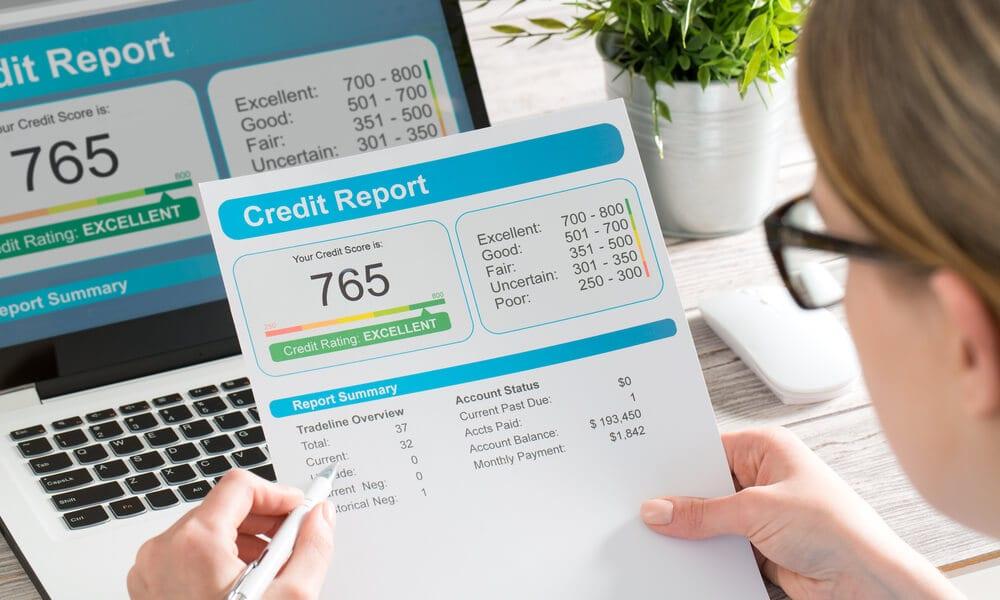
Understanding Your Credit Report and Identifying Key Areas for Improvement
Delving into your credit report can seem daunting, but it’s a crucial step in the journey to financial recovery. A thorough review will reveal the areas that need attention and offer insights into how you can make meaningful improvements. Start by examining your credit report for any inaccuracies, such as incorrect account information or fraudulent activity. Dispute any errors you find with the credit bureau to ensure your report accurately reflects your financial behavior.
- Payment History: Make it a priority to pay all bills on time, as this is the most significant factor impacting your credit score.
- Credit Utilization: Aim to keep your credit card balances below 30% of your total credit limit to show responsible credit use.
- Length of Credit History: Avoid closing old accounts even if they’re not in use, as a longer credit history can improve your score.
- Types of Credit: Diversify your credit mix by responsibly managing different types of credit, such as installment loans and credit cards.
- New Credit Inquiries: Limit the number of new credit applications to reduce hard inquiries on your report.
By focusing on these key areas, you can gradually rebuild your credit while managing your existing debt, paving the way for a healthier financial future.
Crafting a Realistic Budget to Balance Debt Repayment and Essential Expenses
Creating a budget that aligns with your debt repayment goals while covering your essential expenses is a strategic endeavor that requires careful planning and discipline. Start by listing all your monthly income sources and essential expenses. These essentials typically include:
- Housing (rent/mortgage)
- Utilities (electricity, water, internet)
- Groceries
- Transportation (gas, public transit)
- Healthcare (insurance, medications)
Once you have a clear picture of your mandatory expenses, allocate a portion of your income towards debt repayment. Consider using the 50/30/20 rule as a guideline: 50% for necessities, 30% for discretionary spending, and 20% for savings and debt repayment. However, prioritize your debt by adjusting the percentages to ensure a more aggressive repayment plan, if possible. Track your spending diligently to identify areas where you can cut back and redirect those funds towards paying off your debts. Remember, small sacrifices today can lead to significant financial freedom tomorrow.

Implementing Strategic Debt Repayment Methods for Optimal Credit Recovery
To effectively navigate the journey of credit recovery while managing debt, it’s crucial to employ strategic repayment methods that not only reduce your financial liabilities but also enhance your credit score. Start by prioritizing debts that have the highest interest rates, often referred to as the avalanche method. This approach minimizes the amount of interest you pay over time, allowing more of your payments to chip away at the principal balance.
- Focus on High-Interest Debt: Target credit cards or loans with the highest interest first to reduce the overall interest burden.
- Maintain Consistent Payments: Ensure that all debts receive at least the minimum payment to avoid late fees and negative marks on your credit report.
- Consider Debt Consolidation: This can simplify your payments and potentially lower interest rates, making debt more manageable.
Another effective strategy is the snowball method, which involves paying off the smallest debts first. While it may not save as much on interest, this method can provide psychological wins that motivate continued progress. Additionally, set up automatic payments to avoid missed deadlines, and regularly review your credit report to track improvements and identify any inaccuracies. By adopting these strategic approaches, you can steadily rebuild your credit while efficiently reducing your debt.
Leveraging Credit-Building Tools and Resources to Strengthen Your Financial Profile
To effectively rebuild your credit while managing debt, it’s crucial to utilize a variety of credit-building tools and resources available to you. Secured credit cards can be an excellent starting point. These cards require a cash deposit that serves as your credit limit, providing a low-risk way to demonstrate responsible credit use. Additionally, consider credit-builder loans, which are designed to help individuals improve their credit score. These loans work by allowing you to make fixed payments into a savings account, which are reported to credit bureaus, thus boosting your credit profile over time.
Another powerful resource is the use of credit monitoring services. These services provide regular updates on your credit score and report any changes, helping you stay informed about your progress. Furthermore, leverage financial education platforms that offer free courses and tools to enhance your understanding of credit management. Consider joining credit counseling programs, where professionals can offer personalized advice and strategies to tackle debt and improve credit health. By incorporating these tools into your financial strategy, you can systematically strengthen your credit profile while reducing debt.