

In today’s complex financial landscape, navigating the path to financial stability can often feel overwhelming, particularly when dealing with the burden of debt. However, there is a powerful tool at your disposal: financial coaching. By leveraging the expertise and personalized guidance of a financial coach, you can transform your approach to debt management and set yourself on a course toward financial freedom. This article will explore how to effectively utilize financial coaching to develop personalized debt solutions tailored to your unique circumstances. With a confident and informed strategy, you can gain control over your financial future and achieve the peace of mind that comes from knowing you’re on the right path.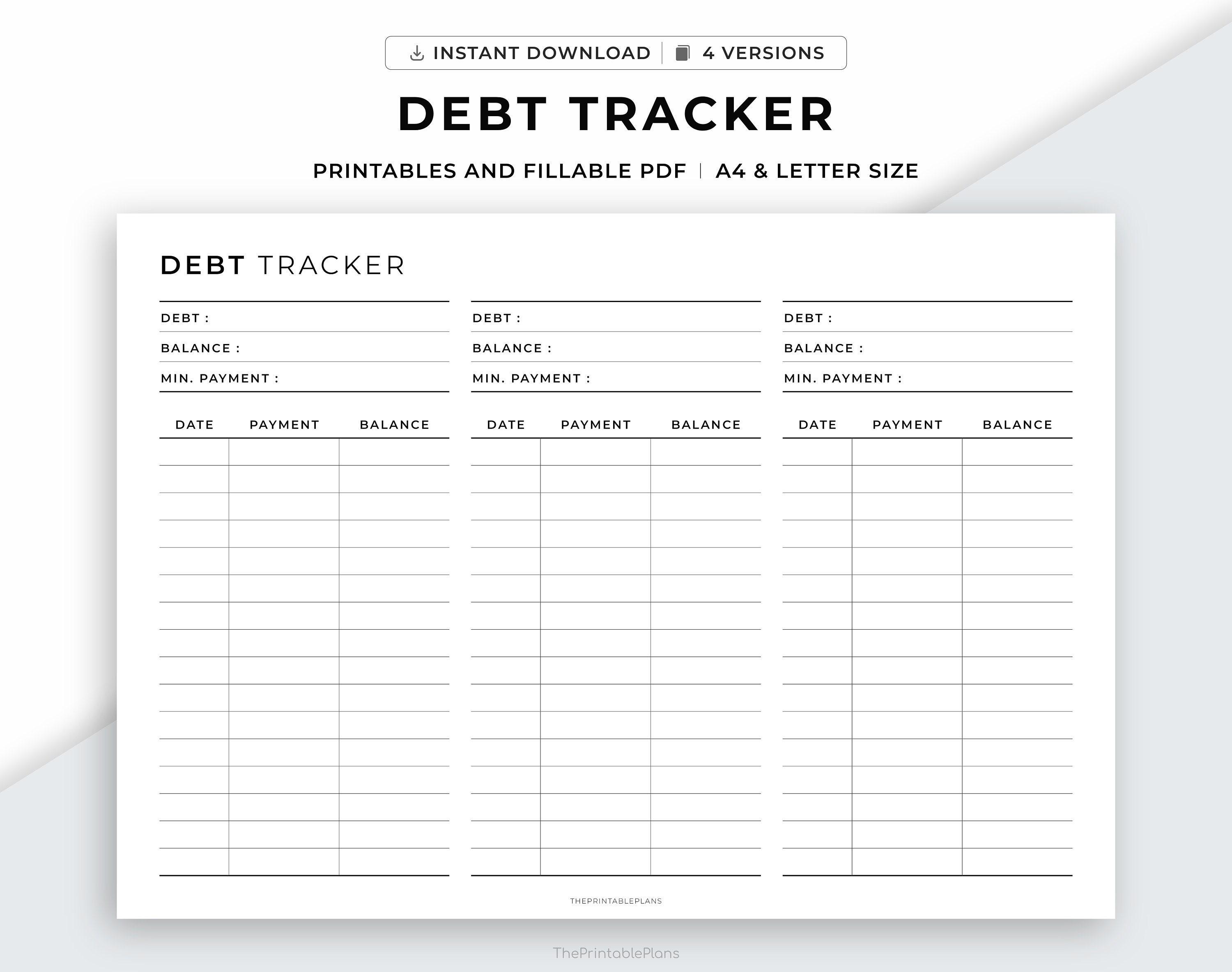
Understanding Your Debt Landscape to Set Clear Goals
Embarking on the journey to financial freedom begins with a thorough comprehension of your current debt situation. It’s essential to identify the types of debt you carry, whether it’s credit card debt, student loans, or mortgages. Each type demands a different strategy and understanding your debt profile can help tailor a personalized plan that works for you. Start by listing all your debts with their respective interest rates and minimum payments to get a clear snapshot of where you stand.
Once you have a comprehensive overview, set specific and achievable goals. Consider these factors when crafting your objectives:
- Prioritize high-interest debt: Focus on paying off debts with the highest interest rates first to save money in the long run.
- Set short-term and long-term goals: Establish clear timelines for debt reduction, such as eliminating a certain percentage of your debt within a year.
- Align goals with your financial situation: Ensure that your repayment plan is realistic based on your current income and expenses.
By setting clear, strategic goals, you empower yourself to take actionable steps toward a debt-free future. A financial coach can be instrumental in guiding you through this process, providing the expertise and support needed to transform your financial landscape.
Crafting a Customized Debt Repayment Plan with Your Coach
Working with a financial coach can transform the daunting task of debt repayment into a structured and achievable journey. Your coach will delve into your financial landscape to design a strategy that aligns with your goals and lifestyle. Here’s how you can leverage their expertise:
- Comprehensive Assessment: Your coach will start by examining your current financial status, including all debts, income streams, and expenses, to create a clear picture of your financial health.
- Tailored Strategies: Based on the assessment, your coach will help you develop a customized repayment plan. This might include strategies like the avalanche method, focusing on high-interest debts first, or the snowball method, which targets smaller debts to build momentum.
- Behavioral Insights: Beyond numbers, a coach provides insights into spending habits and emotional triggers that may affect your financial decisions, empowering you to make more informed choices.
- Accountability and Support: Regular check-ins ensure you stay on track with your repayment plan. Your coach acts as both a guide and a cheerleader, celebrating milestones and recalibrating the plan as needed.
By harnessing the expertise and support of a financial coach, you’re not just addressing debt; you’re building a foundation for lasting financial well-being.
Leveraging Financial Coaching Tools for Effective Budget Management
Financial coaching tools are essential for crafting a budget that aligns with personal financial goals and debt repayment strategies. These tools empower individuals by providing tailored insights into their spending habits and offering practical solutions for managing debt effectively. By utilizing features like expense tracking, goal setting, and personalized financial advice, individuals can gain a comprehensive understanding of their financial situation. These tools not only simplify the budgeting process but also encourage accountability and long-term financial discipline.
Key features of financial coaching tools include:
- Expense Tracking: Automatically categorize and monitor spending to identify areas for improvement.
- Goal Setting: Define specific financial targets and track progress to stay motivated.
- Personalized Insights: Receive tailored advice based on individual financial circumstances and goals.
- Debt Management Plans: Create and follow customized plans for paying off debt efficiently.
Integrating these tools into daily financial routines can transform the way individuals approach their debt solutions, paving the way for a more secure financial future.
Building Long-Term Financial Habits for Sustained Success
Developing robust financial habits is key to achieving sustained success, and engaging with a financial coach can be a transformative step in this journey. Financial coaching provides personalized strategies that cater to your unique debt situation, helping you establish effective routines that foster long-term financial health. Here’s how a financial coach can help you:
- Customized Debt Management Plans: A financial coach evaluates your specific financial situation and crafts a tailored plan that aligns with your goals, ensuring you address debts effectively and sustainably.
- Accountability and Support: Regular sessions with a coach offer consistent support and motivation, keeping you accountable as you implement new financial habits and track your progress.
- Enhanced Financial Literacy: Coaching sessions provide valuable insights into budgeting, saving, and investing, empowering you with the knowledge needed to make informed financial decisions.
With these personalized approaches, you can transform your financial landscape, ensuring your habits are not only effective but also sustainable in the long run. Embrace the opportunity to work with a financial coach and unlock the potential for enduring financial success.