
Managing debt effectively is a crucial skill in today’s financial landscape, where both secured and unsecured debts play significant roles in personal and business finances. Understanding the distinctions between these two types of debt and implementing strategies to manage them efficiently can significantly impact your financial health and stability. Secured debt, often backed by collateral such as property or vehicles, offers lower interest rates but comes with the risk of asset loss. Unsecured debt, on the other hand, typically involves higher interest rates but doesn’t put personal assets at immediate risk. This article will guide you through the essential strategies for balancing and managing these debts, helping you make informed decisions that safeguard your financial future while optimizing your debt repayment strategy. Whether you’re dealing with a mortgage, credit card debt, or a personal loan, mastering the art of debt management can empower you to achieve financial freedom and peace of mind.
Understanding the Fundamentals of Secured and Unsecured Debt
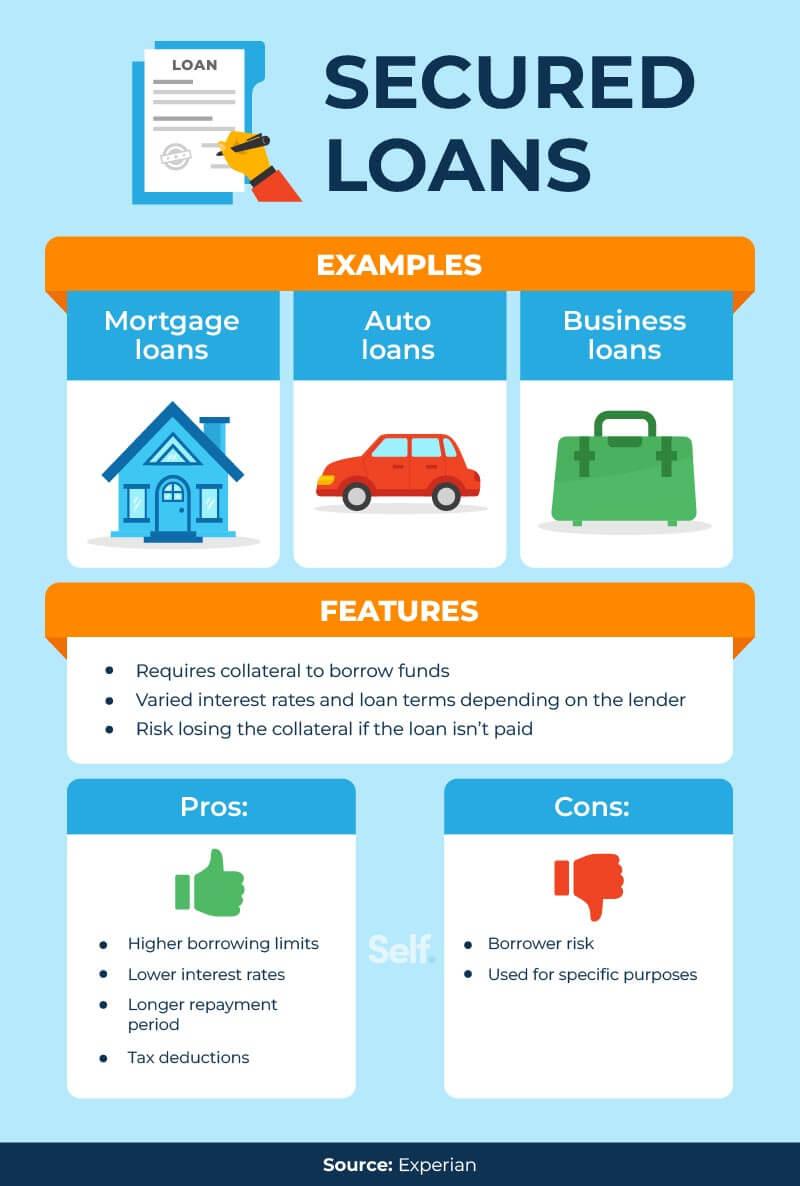
In the realm of personal finance, understanding the core differences between secured and unsecured debt is crucial for effective debt management. Secured debt is backed by collateral, such as a house or car, which acts as a security for the lender. This type of debt often comes with lower interest rates due to the reduced risk for lenders. In contrast, unsecured debt does not require collateral, which typically results in higher interest rates due to the increased risk. Examples of unsecured debt include credit cards and personal loans.
- Secured Debt: Lower interest rates, requires collateral, can lead to asset forfeiture if not repaid.
- Unsecured Debt: Higher interest rates, no collateral required, relies on creditworthiness.
To manage these effectively, prioritize paying off high-interest unsecured debt to minimize interest costs over time. Additionally, ensure timely payments on secured debts to avoid the risk of losing valuable assets. A balanced approach, focusing on interest rates and payment strategies, can lead to more efficient debt management and financial stability.

Strategic Approaches to Prioritizing Debt Repayments
When it comes to efficiently managing your financial obligations, understanding the nature of your debts is crucial. Secured debts, such as mortgages and auto loans, are tied to assets that can be repossessed if you default. In contrast, unsecured debts, like credit card balances and personal loans, do not have this backing, making them riskier for lenders and often more expensive for borrowers due to higher interest rates.
To strategically prioritize your debt repayments, consider the following approaches:
- Evaluate Interest Rates: Start by listing all your debts and their respective interest rates. Prioritize paying off high-interest unsecured debts first, as they accrue more interest over time.
- Assess Asset Value: For secured debts, evaluate the importance and value of the collateral. If maintaining ownership is crucial, ensure these payments are manageable within your budget.
- Consider Debt Consolidation: If you’re juggling multiple unsecured debts, consolidating them into a single loan with a lower interest rate can simplify management and reduce costs.
- Emergency Fund: Maintain a small emergency fund to prevent falling back on high-interest unsecured debt during unexpected financial challenges.
By adopting these strategic approaches, you can create a clear, effective plan to tackle your debts, ensuring financial stability and peace of mind.
Optimizing Cash Flow to Manage Debt Obligations Effectively
To effectively manage your debt obligations, it’s crucial to understand the differences between secured and unsecured debt and apply tailored strategies for each. Secured debts, such as mortgages and auto loans, are backed by collateral, making them less risky for lenders but potentially more perilous for borrowers if payments are missed. To optimize cash flow for secured debts, consider the following strategies:
- Prioritize payments: Ensure these debts are paid on time to avoid losing valuable assets.
- Refinance options: Explore refinancing to secure lower interest rates or better terms.
- Budget adjustments: Allocate a specific portion of your income to meet these obligations consistently.
On the other hand, unsecured debts, like credit card balances and personal loans, lack collateral, which typically results in higher interest rates. To manage these effectively, focus on:
- Interest rate negotiation: Contact creditors to discuss lowering interest rates.
- Debt consolidation: Consider consolidating multiple debts into a single loan with a lower rate.
- Minimum payments: Avoid paying only the minimum to reduce long-term interest costs.
By strategically optimizing your cash flow, you can navigate both secured and unsecured debts more efficiently, safeguarding your financial stability.

Leveraging Financial Tools for Efficient Debt Management
Effectively managing debt requires a strategic approach, especially when dealing with both secured and unsecured debts. Financial tools such as budgeting apps, debt repayment calculators, and financial planning software can be invaluable in this process. By utilizing these tools, you can gain a clear overview of your financial obligations, prioritize debt payments, and explore refinancing options. Budgeting apps help track income and expenses, ensuring that debt repayments are accounted for each month. Debt repayment calculators can illustrate the impact of different payment strategies, enabling you to choose the most efficient path to debt reduction.
- Budgeting Apps: Facilitate monthly tracking of income and expenses.
- Debt Repayment Calculators: Visualize the benefits of various repayment strategies.
- Financial Planning Software: Offers comprehensive views of overall financial health.
Additionally, financial planning software can provide a comprehensive view of your overall financial health, helping you make informed decisions about debt consolidation or restructuring. By leveraging these tools, you can navigate the complexities of both secured and unsecured debts with confidence, ultimately leading to a more secure financial future.