
As the New Year unfolds, it presents a perfect opportunity to take control of your financial future. Tackling debt is a crucial step towards achieving financial freedom, and adopting the right repayment strategy can make all the difference. With a multitude of options available, identifying the best approach can feel overwhelming. However, with a clear plan and disciplined execution, you can navigate your way to a debt-free life. This article will guide you through the most effective debt repayment strategies, empowering you to make informed decisions and set the stage for a financially prosperous year ahead.
Evaluating Your Debt: Understanding the Types and Interest Rates
When navigating the complex world of debt repayment, it’s essential to understand the various types of debt you may have accumulated. Common categories include credit card debt, student loans, mortgages, and personal loans. Each type carries its own set of terms and interest rates, which can significantly impact your repayment strategy. For instance, credit card debt often comes with high interest rates, while student loans might offer lower rates but have specific repayment conditions.
Evaluating the interest rates associated with each debt type is crucial. High-interest debts should typically be prioritized to minimize the amount paid over time. Consider the following when assessing your debts:
- Credit Card Debt: Often features variable rates that can escalate quickly.
- Student Loans: Usually have fixed rates, with options for income-driven repayment plans.
- Mortgages: Generally offer the lowest rates but are long-term commitments.
- Personal Loans: Interest rates can vary widely based on creditworthiness.
By understanding these nuances, you can craft a more effective repayment plan that saves money and reduces financial stress.
Crafting a Personalized Debt Repayment Plan: Prioritizing and Setting Goals
Embarking on a journey to eliminate debt requires more than just willpower; it necessitates a strategic approach that is both personalized and pragmatic. Begin by prioritizing your debts based on interest rates, outstanding balances, or emotional weight. Consider listing them out in a simple, yet effective, manner:
- High-Interest Debts: Credit cards and payday loans often fall into this category. Tackling these first can save you money in the long run.
- Emotional Burdens: Certain debts might carry a psychological weight, such as loans from family or friends. Prioritizing these can provide peace of mind.
- Small Balances: Sometimes, clearing smaller debts first can provide a sense of accomplishment and motivate you to continue.
Once priorities are set, establish clear goals to guide your repayment efforts. Define both short-term and long-term objectives that align with your financial capabilities. For instance, aim to pay off a specific debt within six months, or allocate a fixed percentage of your monthly income towards debt repayment. Regularly reviewing and adjusting these goals will keep you on track and ensure that your strategy remains aligned with your evolving financial situation.

Implementing Effective Strategies: Snowball vs. Avalanche Method
When it comes to tackling debt, two popular methods often come into play: the Snowball and Avalanche strategies. Both approaches offer distinct paths to financial freedom, but choosing the right one depends on individual circumstances and personal financial goals. The Snowball method focuses on paying off the smallest debts first, creating a momentum that builds as each debt is cleared. This approach is particularly effective for those who need quick wins to stay motivated. By seeing tangible progress, individuals often feel more empowered to continue on their journey towards debt elimination.
In contrast, the Avalanche method prioritizes paying off debts with the highest interest rates first. This strategy is rooted in mathematics and logic, as it aims to minimize the amount of interest paid over time, potentially saving more money in the long run. This method is ideal for those who are disciplined and can maintain focus without needing the psychological boost of clearing smaller debts quickly. Regardless of the chosen path, both methods require consistency and dedication. Here’s a quick comparison to help decide:
- Snowball: Quick wins, increased motivation, potentially longer repayment period.
- Avalanche: Lower interest costs, requires patience, financially efficient.
Monitoring Progress and Adjusting Tactics: Staying on Track Throughout the Year
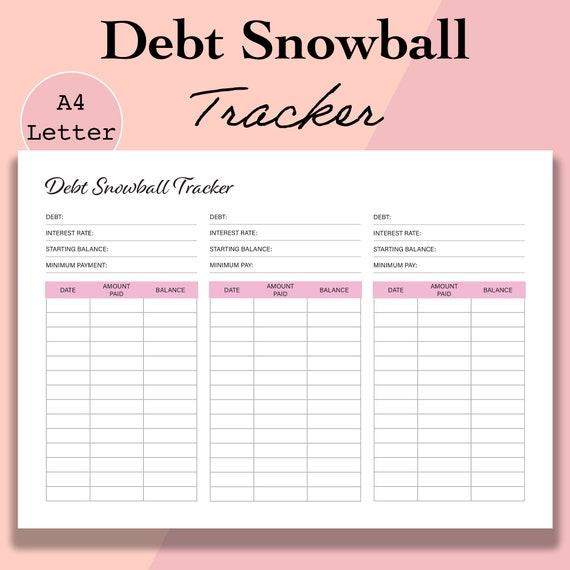
To ensure that your debt repayment strategy remains effective throughout the year, it’s crucial to regularly evaluate your progress and make necessary adjustments. Start by setting aside time each month to review your financial statements and repayment schedule. This will help you identify any discrepancies or unexpected expenses that might have cropped up. Tracking your progress not only keeps you accountable but also allows you to celebrate small victories, reinforcing your commitment to the journey.
As you monitor your progress, be prepared to adapt your tactics. Life is unpredictable, and your financial situation may change. Consider the following adjustments:
- Reassess your budget: Look for areas where you can cut back or reallocate funds to prioritize debt repayment.
- Increase payments: Whenever possible, apply any extra income, such as bonuses or tax refunds, directly to your debt.
- Renegotiate terms: Contact creditors to explore options for lower interest rates or more flexible payment plans.
- Stay informed: Keep abreast of financial trends and advice that may offer new strategies for managing and reducing debt.
By continuously monitoring and adjusting your approach, you maintain control over your debt repayment journey, ensuring that you stay on track and meet your financial goals by year’s end.