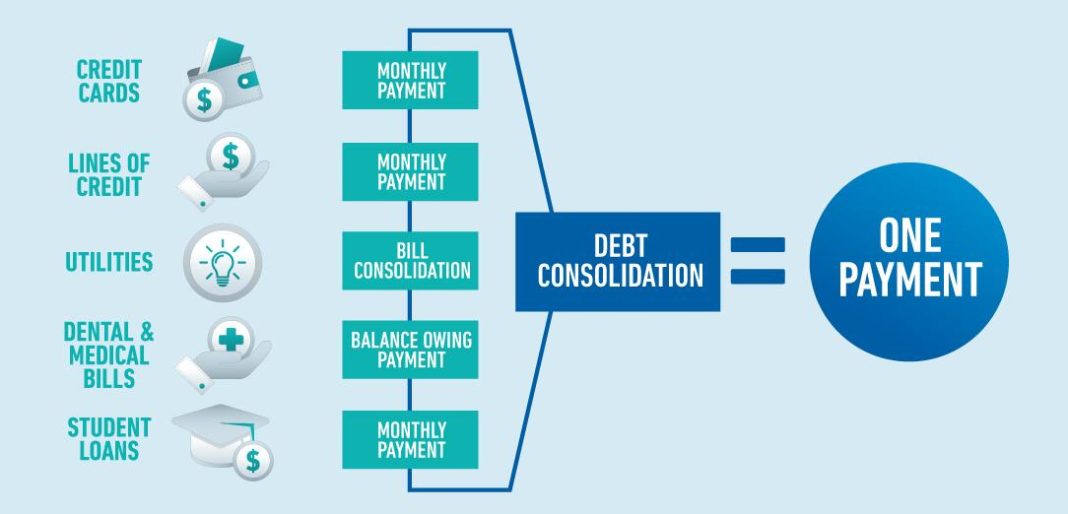

In today’s complex financial landscape, managing multiple debts can often feel overwhelming and unmanageable. With high interest rates, varied payment schedules, and the constant pressure of looming due dates, it’s no wonder that many individuals find themselves struggling to keep their financial footing. However, there’s a beacon of hope that can lead to a more stable and secure financial future: debt consolidation. This strategy, when implemented wisely, can streamline your debt management, reduce stress, and pave the way for long-term financial health. In this article, we will delve into the intricacies of debt consolidation, exploring its benefits, potential pitfalls, and the steps you can take to harness its power effectively. Whether you’re drowning in credit card bills, personal loans, or other financial obligations, understanding debt consolidation could be the pivotal move that transforms your financial trajectory. Join us as we unpack this essential tool and empower you to take control of your financial destiny with confidence and clarity.
Evaluating Your Current Debt Situation for Better Decision-Making
To make informed decisions about debt consolidation, it’s essential to have a clear understanding of your current debt situation. Start by gathering all relevant information about your debts, including balances, interest rates, and monthly payments. This will help you create a comprehensive overview and identify the most pressing issues.
- List all debts: Include credit cards, personal loans, student loans, and any other outstanding obligations.
- Determine interest rates: Identify which debts have the highest interest rates, as these are typically the ones you’ll want to prioritize in a consolidation plan.
- Calculate total monthly payments: Understanding your current monthly financial commitment will help you assess the potential benefits of consolidation.
- Evaluate credit score impact: Knowing your credit score can help determine what consolidation options are available and which might be the most advantageous.
By analyzing this data, you can identify patterns and potential areas for improvement. This thorough evaluation not only aids in selecting the most suitable consolidation strategy but also empowers you to take control of your financial future with confidence.
Choosing the Right Debt Consolidation Method to Suit Your Needs
When considering options for consolidating your debt, it’s crucial to evaluate each method’s suitability for your unique financial situation. Begin by examining balance transfer credit cards, which can be an excellent choice if you have a manageable amount of credit card debt and a good credit score. These cards often offer low or zero-interest rates for an introductory period, allowing you to pay down your balance without accruing additional interest. However, be cautious of the potential high rates that may apply after the introductory period ends.
Another option is a debt consolidation loan, which involves taking out a new loan to pay off multiple debts. This can be beneficial if you prefer a fixed monthly payment and interest rate, providing a clear path to becoming debt-free. Ensure you compare lenders for the best terms, as interest rates can vary significantly. Additionally, consider a home equity loan or line of credit if you own a home and have substantial equity. This method often offers lower interest rates but comes with the risk of losing your home if you default on the loan. Remember, the right method depends on your financial goals, credit profile, and comfort with risk.

Implementing a Strategic Repayment Plan for Long-Term Success
Crafting a strategic repayment plan is essential for leveraging debt consolidation as a tool for long-term financial health. Begin by evaluating your current financial situation to identify the total amount of debt and its interest rates. This assessment allows you to prioritize which debts to consolidate, potentially opting for loans with lower interest rates. A clear understanding of your financial landscape enables you to set realistic repayment goals and timelines, ensuring your plan is both effective and sustainable.
- Analyze Your Cash Flow: Determine your monthly income and expenses to figure out how much you can allocate towards debt repayment without compromising on essential needs.
- Set Clear Objectives: Define what you aim to achieve with debt consolidation. Is it lower monthly payments, reduced interest rates, or a shorter repayment period?
- Choose the Right Consolidation Option: Research various consolidation options such as personal loans, balance transfer credit cards, or home equity loans. Each option has unique benefits and risks.
- Monitor Progress Regularly: Consistently track your repayment progress and adjust your plan as needed to stay aligned with your financial goals.
Implementing these steps with discipline and focus will not only streamline your debt repayment process but also set you on a path to financial stability and success.
Monitoring Your Financial Progress and Adjusting Strategies
Keeping a close eye on your financial journey is crucial when you’re aiming for long-term health through debt consolidation. Regularly evaluate your financial statements to ensure you’re on track with your goals. This involves not just reviewing your consolidated debt but also understanding how your payments are impacting your overall financial picture. Ask yourself:
- Are your monthly payments manageable within your budget?
- Is your debt-to-income ratio improving over time?
- Have your interest rates decreased, leading to lower total costs?
Adjust your strategies if you notice discrepancies or if your financial circumstances change. Perhaps your income has increased, allowing you to pay more towards your debt, or maybe an unexpected expense requires you to tweak your budget. Stay proactive by exploring options such as renegotiating terms with lenders or even considering alternative financial products. This agile approach not only fortifies your financial health but also builds resilience against future uncertainties.