

In today’s rapidly evolving financial landscape, ensuring that your education fund is both robust and resilient is more important than ever. As the cost of education continues to rise, parents and students alike are seeking smarter strategies to maximize their savings. One of the most effective ways to achieve this is through low-fee investments. By minimizing costs, you can enhance the growth potential of your education fund, ultimately securing a brighter academic future. In this article, we will guide you through the process of optimizing your education fund, offering insightful tips and practical advice on how to leverage low-fee investment options to ensure you get the most out of every dollar saved. Whether you’re just starting to save or looking to refine your existing strategy, our expert guidance will empower you to make informed decisions with confidence.
Understanding Low Fee Investment Options for Education Funds
When planning to grow an education fund, it’s crucial to consider investment options that not only promise potential returns but also minimize costs. Low fee investment options are particularly attractive because they allow more of your money to be actively working towards your educational goals rather than being eaten up by fees. Here are some strategies to consider:
- Index Funds: These funds track a specific index and typically have lower fees compared to actively managed funds. By investing in a diverse range of assets, they offer both growth potential and cost-efficiency.
- Exchange-Traded Funds (ETFs): ETFs often come with lower expense ratios and offer the flexibility of trading like stocks, making them a versatile choice for cost-conscious investors.
- Robo-Advisors: Utilizing technology to manage investments, robo-advisors offer automated portfolio management at a fraction of the cost of traditional financial advisors.
By incorporating these options into your education fund strategy, you can optimize your investments, ensuring that more of your hard-earned money is dedicated to future educational expenses.

Maximizing Returns by Minimizing Investment Costs
Investing in education is one of the most important decisions you’ll make, but it’s essential to keep an eye on the associated costs. Low-fee investments can significantly enhance the growth of your education fund, allowing more of your money to work for you. By choosing investments with lower expense ratios, you can potentially save thousands over the long term. Here are some strategies to consider:
- Index Funds and ETFs: These often have lower fees compared to actively managed funds, offering broad market exposure without the hefty price tag.
- Robo-Advisors: Leverage technology-driven investment platforms that provide personalized portfolio management at a fraction of traditional advisory costs.
- Direct Stock Purchase Plans (DSPPs): Consider purchasing stocks directly from companies to avoid brokerage fees.
- Tax-Advantaged Accounts: Utilize accounts like 529 plans, which offer tax benefits and can reduce the overall cost of investing for education.
By being mindful of investment fees and choosing cost-effective options, you can maximize the potential of your education fund, ensuring more substantial returns with minimized costs.
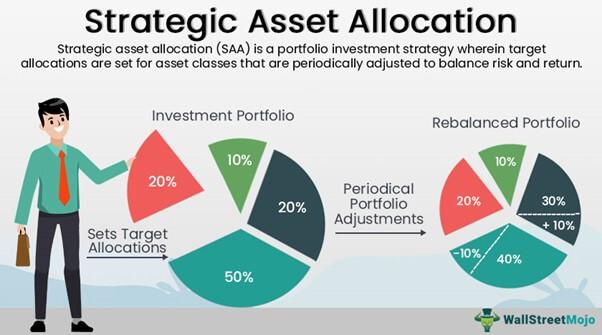
Strategic Asset Allocation to Boost Education Savings
To effectively build an education fund, consider adopting a strategic asset allocation approach that emphasizes low-fee investments. This strategy involves diversifying your portfolio across various asset classes while keeping expenses in check, thus maximizing the growth potential of your savings. Start by assessing your risk tolerance and the time horizon for when the funds will be needed. This will guide your allocation between equities, fixed income, and other asset classes.
Key strategies for effective asset allocation include:
- Investing in index funds: These often have lower fees compared to actively managed funds, allowing more of your money to be invested and compounded over time.
- Utilizing exchange-traded funds (ETFs): ETFs offer diversification across a broad range of assets with typically lower expense ratios, making them an attractive option for education savings.
- Rebalancing regularly: Periodic adjustments to your portfolio can help maintain your desired asset mix, ensuring that you stay on track with your financial goals.
By focusing on these low-cost investment options and maintaining a disciplined approach to asset allocation, you can significantly enhance the growth potential of your education savings.

Implementing a Disciplined Investment Plan for Long-term Growth
Establishing a disciplined investment strategy is crucial to maximizing your education fund’s potential. Start by setting clear goals, understanding your risk tolerance, and crafting a diversified portfolio. Consistency is key; make regular contributions to your investment account, regardless of market fluctuations. This approach not only helps in averaging out the cost of investments over time but also takes advantage of compound growth. Remember, the earlier you start, the more time your investments have to grow.
Focus on low-fee investment options to ensure more of your money is working for you rather than being eaten away by fees. Consider these strategies:
- Index Funds: These are passively managed funds that track a market index and generally come with lower fees compared to actively managed funds.
- Exchange-Traded Funds (ETFs): Similar to index funds, ETFs often have lower expense ratios and can be traded like stocks.
- Robo-Advisors: Automated platforms that offer low-cost portfolio management based on your goals and risk preferences.
By integrating these elements into your investment plan, you are well-positioned to optimize your education fund for long-term growth, ensuring that your financial goals are met efficiently and effectively.