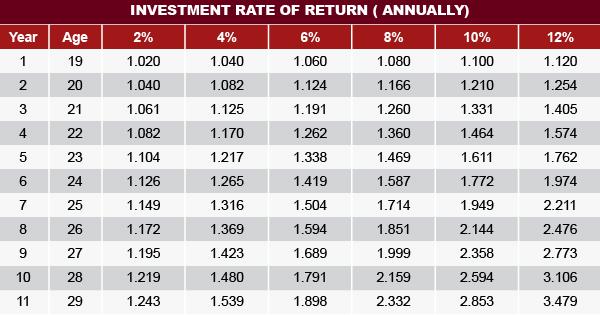

Planning for a long retirement is one of the most crucial financial tasks you will undertake, and doing it right ensures peace of mind and financial security in your golden years. With life expectancy on the rise, it’s more important than ever to have a robust strategy in place to ensure your savings outlast your years of leisure. In this guide, we will walk you through essential steps and smart strategies to prepare for a long retirement without the fear of running out of money. From understanding investment options to calculating realistic spending needs, we will equip you with the knowledge and confidence to build a sustainable financial future. Whether you’re just starting to think about retirement or are nearing the end of your career, this article will provide the roadmap you need to navigate this important phase of life with assurance and clarity.
Assessing Your Financial Needs for a Secure Retirement
When planning for retirement, it’s crucial to evaluate your financial needs with precision and foresight. Start by considering your lifestyle expectations and the expenses that will accompany them. Create a detailed budget that outlines both essential and discretionary expenses. This budget should account for costs such as housing, healthcare, travel, and leisure activities. Remember, healthcare can be a significant expense, so it’s wise to research potential costs and include them in your plan.
Next, assess your current savings and investments to determine if they align with your retirement goals. Ask yourself the following questions:
- Have I maximized my contributions to retirement accounts like 401(k)s or IRAs?
- Are my investments diversified to mitigate risks?
- Am I taking advantage of employer matching programs?
By answering these questions, you can identify any gaps between your savings and your anticipated retirement needs. If necessary, adjust your savings strategy to ensure you have a robust financial cushion. Regularly reviewing and updating your financial plan is key to maintaining confidence and security in your retirement years.

Building a Diversified Investment Portfolio for Long-Term Growth
Creating a well-rounded investment portfolio is essential for ensuring financial stability throughout retirement. A diversified portfolio helps in spreading risk and maximizing potential returns. Begin by considering a mix of asset classes, including:
- Stocks: Equities can provide significant growth over time. Consider a mix of domestic and international stocks to capture different economic cycles.
- Bonds: Fixed-income investments can offer steady income and lower volatility compared to stocks. Government and corporate bonds should be part of your strategy.
- Real Estate: Real estate investments, whether through direct property ownership or REITs, can add a layer of inflation protection and income generation.
- Commodities: Investing in commodities like gold or oil can serve as a hedge against inflation and economic downturns.
- Alternative Investments: Consider including hedge funds, private equity, or venture capital for additional diversification.
Regularly review and rebalance your portfolio to maintain your desired asset allocation. This proactive approach ensures that your investments align with your risk tolerance and retirement goals. Use tools like target-date funds or robo-advisors for a hands-off approach to maintaining diversification. Remember, the key is to remain adaptable and responsive to market changes while keeping an eye on long-term objectives.

Implementing Strategic Withdrawal Plans to Sustain Your Savings
To ensure your savings last throughout a long retirement, adopting a strategic approach to withdrawals is essential. Consider implementing the following strategies:
- Adopt the 4% Rule: This widely recognized rule suggests withdrawing 4% of your retirement savings annually. It provides a structured approach, offering a balance between sustaining your funds and meeting living expenses.
- Implement a Bucket Strategy: Divide your savings into different “buckets” based on time horizons. Short-term needs can be met with more liquid assets, while long-term growth can be achieved with investments designed to outpace inflation.
- Adjust Withdrawals Based on Market Performance: In years of strong market performance, you might withdraw slightly more, while in downturns, reducing your withdrawal can help preserve your principal.
These strategies, when tailored to your specific financial situation, can offer a sustainable path to maintaining your lifestyle without depleting your savings prematurely. Remember, flexibility and periodic review are key to adapting your plan to life’s inevitable changes.

Adapting to Economic Changes and Protecting Your Retirement Funds
In today’s ever-shifting economic landscape, safeguarding your retirement nest egg requires both vigilance and flexibility. It’s crucial to regularly review your investment portfolio and adjust it in response to market changes. Consider diversifying your investments across different asset classes such as stocks, bonds, and real estate to mitigate risk. Additionally, monitor inflation rates and factor them into your retirement planning to ensure your purchasing power remains intact over the years.
- Reassess your risk tolerance: As you age, your ability to recover from financial losses diminishes. Shift towards more conservative investments as you near retirement.
- Stay informed: Keep abreast of economic news and trends. This knowledge can help you make informed decisions about when to adjust your investments.
- Consult a financial advisor: Professional guidance can be invaluable in navigating complex economic changes and tailoring a strategy that fits your unique needs.
By staying proactive and adaptable, you can better protect your retirement funds from unforeseen economic fluctuations and enjoy a financially secure retirement.