

In today’s fast-paced world, achieving financial stability and prosperity for your family can often feel like navigating a complex maze. However, with the right strategies in place, reaching your family’s big financial goals is not only possible but also highly attainable. Whether you’re saving for your child’s education, planning for a dream vacation, or securing a comfortable retirement, the journey begins with a clear roadmap and informed decisions. In this article, we will delve into the most effective strategies that empower you to take control of your family’s financial future. With confidence and clarity, we’ll guide you through actionable steps and expert insights that will transform your aspirations into reality. Get ready to embark on a journey towards financial success, armed with the knowledge and tools to make your family’s dreams come true.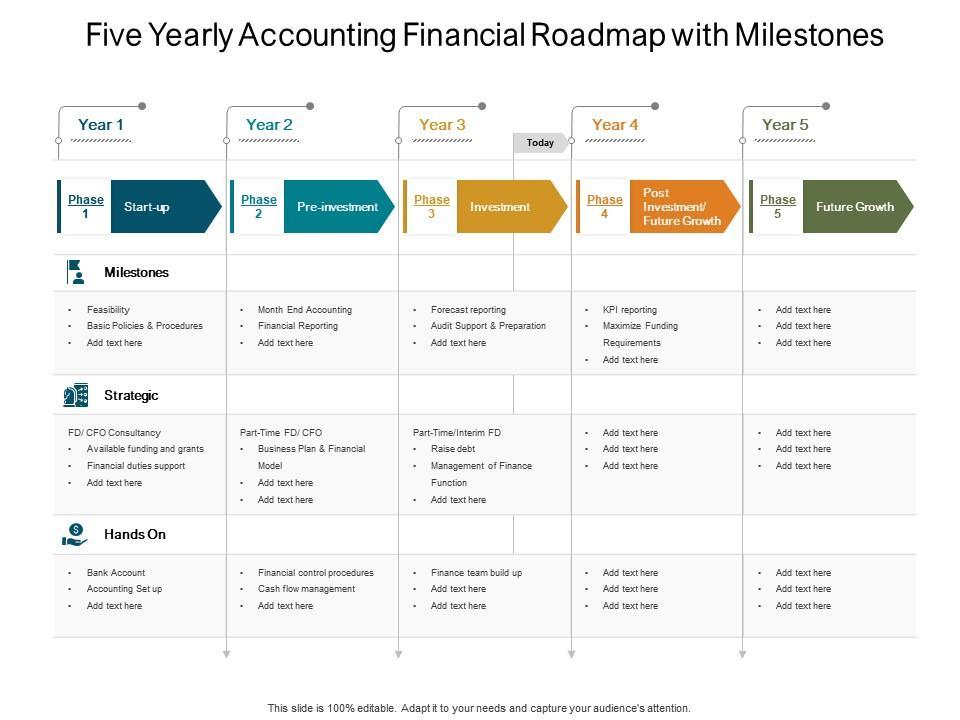
Setting Clear and Achievable Financial Milestones
Establishing clear and achievable financial milestones is crucial for your family’s economic well-being. Begin by identifying your long-term financial aspirations, such as buying a home, funding your children’s education, or planning for retirement. Break these larger goals into smaller, manageable steps to maintain motivation and track progress. Here’s how you can do it:
- Define Specific Goals: Vague objectives like “save more money” won’t cut it. Instead, aim for precise targets, such as “save $10,000 for a down payment in two years.”
- Set Realistic Timelines: Assess your current financial situation and determine how long it will realistically take to achieve each milestone. This ensures that your goals are both challenging and attainable.
- Prioritize Your Objectives: Not all goals are created equal. Decide which milestones are most critical to your family’s future and focus your efforts accordingly.
- Monitor and Adjust: Regularly review your progress and be prepared to adjust your strategies as necessary. Life is unpredictable, and your financial plan should be flexible enough to accommodate changes.
By setting precise, realistic, and prioritized milestones, you empower your family to steadily move towards its financial dreams with confidence and clarity.

Crafting a Realistic and Flexible Budget Plan
Creating a budget that adapts to your family’s evolving needs while staying grounded in reality is essential for achieving those significant financial milestones. Begin by assessing your current financial landscape, including income, expenses, and any existing debts. This will give you a clear picture of where you stand and help identify areas where you can make adjustments. It’s crucial to prioritize your financial goals, whether it’s saving for a house, a dream vacation, or your children’s education, and allocate resources accordingly.
To build a budget that’s both realistic and flexible, consider the following strategies:
- Set specific and measurable goals: Break down big goals into smaller, manageable steps with clear timelines.
- Track your spending: Use apps or spreadsheets to monitor your expenses and identify patterns.
- Adjust for changes: Regularly review your budget and make adjustments for any life changes or unexpected expenses.
- Include a buffer: Allocate a portion of your budget for unforeseen expenses to avoid derailing your plan.
- Review and revise: At least once a quarter, review your budget to ensure it aligns with your goals and make necessary adjustments.
By implementing these strategies, you can maintain a balanced approach to budgeting that supports your family’s ambitions while accommodating life’s unpredictabilities.

Harnessing the Power of Smart Investments
When it comes to reaching your family’s financial milestones, smart investments can be a game-changer. Start by diversifying your portfolio to balance risk and reward. This means spreading investments across various asset classes such as stocks, bonds, and real estate. Consider these strategies:
- Long-term Growth: Invest in growth stocks or mutual funds that have a history of strong returns. This can provide substantial growth over time, aligning with long-term goals like college funds or retirement.
- Income Generation: Look into dividend-paying stocks or rental properties to create a steady income stream. This can help fund ongoing expenses while preserving capital.
- Risk Management: Utilize bonds or bond funds to provide stability to your portfolio. They act as a buffer against the volatility of stock markets.
Utilizing these investment avenues not only aids in wealth accumulation but also ensures a solid financial foundation for your family’s future aspirations. Regularly review and adjust your investment strategy to align with changing market conditions and personal financial goals.
Building a Robust Emergency Fund for Stability
Creating a financial safety net is essential for ensuring your family’s long-term security. Start by determining the ideal size of your emergency fund, typically three to six months’ worth of living expenses. This buffer can help you weather unexpected financial storms without derailing your long-term financial plans.
- Automate Your Savings: Set up automatic transfers from your checking account to a dedicated savings account to consistently build your fund.
- Cut Unnecessary Expenses: Review your monthly budget and identify areas where you can reduce spending. Redirect these savings into your emergency fund.
- Use Windfalls Wisely: Allocate any bonuses, tax refunds, or unexpected income to your fund to accelerate its growth.
By following these strategies, you’ll establish a robust emergency fund that provides peace of mind and stability, allowing you to focus on achieving your family’s bigger financial goals.