
Monday, October 5, 2026
13.7 C
London

How to Plan for Big Purchases Without Draining Your Savings

Making a significant purchase, whether it’s a new car, a dream vacation, or a home renovation, is an exciting milestone. However, the thrill of acquiring something new can quickly turn into financial stress if not approached with a strategic plan. The key to making big purchases without depleting your savings lies in careful planning and smart financial management. This guide will equip you with practical strategies to achieve your purchasing goals while maintaining a healthy savings balance. By the end of this article, you’ll be confident in your ability to manage your finances effectively, ensuring that your big purchase is a stepping stone to greater financial stability, not a stumbling block. Let’s delve into the steps you need to take to prepare for your next major expenditure without compromising your financial future.

Establish a Realistic Budget and Timeline

To make your big purchase dreams a reality without emptying your savings account, it’s crucial to craft a budget and timeline that are both achievable and well-structured. Start by evaluating your current financial situation and identifying all potential sources of income. This will give you a clear picture of how much you can comfortably allocate towards your purchase each month. Create a detailed list of all expenses, including fixed costs like rent and utilities, as well as variable ones like groceries and entertainment. This will help you determine the discretionary income available for your big purchase fund.

Once you’ve established your financial baseline, set a specific savings goal and a realistic timeframe to reach it. Break down your goal into manageable monthly or weekly savings targets. This will make the process less daunting and help you stay on track. Consider using a budgeting app or spreadsheet to monitor your progress and adjust as needed. Additionally, build in a buffer for unexpected expenses to avoid derailing your plan. Keep your eye on the prize, and remember that every small step forward brings you closer to your big purchase without sacrificing your financial stability.

  • Evaluate your income and expenses: Know your financial standing.
  • Set a specific savings goal: Define what you need and by when.
  • Break down your goal: Manageable chunks make it achievable.
  • Monitor your progress: Use tools to stay on track.
  • Include a buffer: Prepare for unexpected costs.

Identify and Prioritize Your Financial Goals

Identify and Prioritize Your Financial Goals

To effectively plan for major purchases without depleting your savings, it’s essential to first clarify what you truly value financially. Begin by listing all potential goals and then categorize them into short-term, medium-term, and long-term objectives. Ask yourself: What do I want to achieve in the next year? In five years? In a decade? Prioritize these goals based on urgency and importance. This process will give you a clear roadmap and help you allocate resources efficiently.

  • Short-term goals: These could include saving for a vacation or buying a new gadget. These are typically achievable within a year.
  • Medium-term goals: Consider goals like purchasing a new car or saving for a down payment on a house. These might take a few years to accomplish.
  • Long-term goals: Focus on retirement savings or building a college fund for your children. These require a more extended time horizon and consistent effort.

By distinguishing between these different categories, you can allocate your savings in a way that supports immediate needs while still making progress towards larger aspirations. Remember, the key is to maintain a balance that allows you to enjoy life today while planning for tomorrow.
Explore Financing Options and Alternatives

Explore Financing Options and Alternatives

When planning for significant purchases, it’s essential to explore a variety of financing options to ensure you make a choice that aligns with your financial goals. Start by evaluating your eligibility for traditional loans from banks or credit unions, which often offer competitive interest rates. If you prefer more flexibility, consider personal loans or lines of credit that can provide the funds you need with more lenient terms.

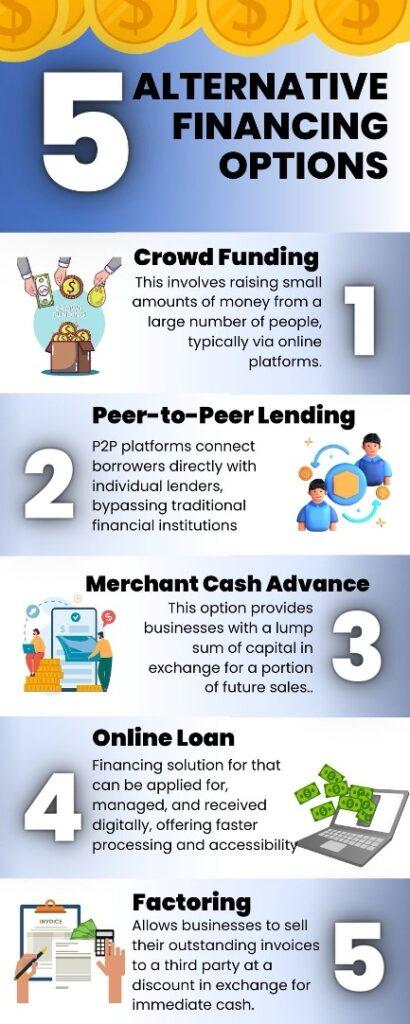
Beyond conventional loans, there are several alternative financing methods that might better suit your needs. These include:

  • Peer-to-Peer Lending: Online platforms that connect you directly with individual lenders, often with lower rates than traditional banks.
  • Credit Cards with 0% APR: Some credit cards offer introductory periods of no interest, allowing you to spread out payments without incurring extra costs.
  • Home Equity Loans: If you own property, tapping into your home’s equity can provide a substantial amount of money at lower interest rates.

Remember to thoroughly research and compare each option’s terms and fees to find the best fit for your financial situation, ensuring you maintain a healthy balance in your savings.

Implement a Strategic Savings Plan

Implement a Strategic Savings Plan

To effectively manage your finances and ensure you’re prepared for substantial expenditures, it’s essential to create a strategic savings plan. This approach not only helps in accumulating the necessary funds but also prevents the depletion of your existing savings. Here’s how to get started:

  • Set Clear Goals: Identify what you are saving for and determine the exact amount needed. Whether it’s a new car, a dream vacation, or a home renovation, having a precise target will keep you focused.
  • Create a Realistic Timeline: Decide when you plan to make the purchase. A realistic timeline will help you calculate how much you need to save each month, making it easier to incorporate into your budget.
  • Automate Your Savings: Set up automatic transfers to your savings account. This ensures that you consistently set aside money without the temptation to spend it elsewhere.
  • Track Your Progress: Regularly review your savings plan to ensure you are on track. Adjust as necessary to accommodate any changes in your financial situation.

By following these steps, you can confidently save for major purchases while maintaining a healthy financial cushion.


Hot this week

Best Ways to Plan for Your Familys Long Term Financial Success

To secure your family's financial future, start by setting clear goals, creating a diversified investment portfolio, and building an emergency fund. Regularly review your plans and adjust as needed to stay on track for long-term success.

How to Diversify Your Familys Investment Portfolio

Diversifying your family's investment portfolio involves balancing risk and reward. Consider a mix of stocks, bonds, real estate, and mutual funds. Regularly review and adjust to align with financial goals and market conditions.

Credit counseling services for debt management and reduction

Credit counseling services offer expert guidance for managing and reducing debt. By analyzing your financial situation, they help create a tailored plan to consolidate debts, lower interest rates, and improve financial literacy, leading to lasting financial stability.

How to Stay Focused on Long Term Financial Goals

Stay focused on long-term financial goals by setting clear objectives, creating a realistic budget, and regularly reviewing your progress. Automate savings and avoid distractions by staying informed and disciplined in your financial journey.

How to Plan for Unexpected Medical Expenses

To manage unexpected medical expenses, start by building an emergency fund. Regularly review your insurance coverage to ensure it meets your needs, and consider a Health Savings Account (HSA) for tax-advantaged savings.

Topics

Best Ways to Plan for Your Familys Long Term Financial Success

To secure your family's financial future, start by setting clear goals, creating a diversified investment portfolio, and building an emergency fund. Regularly review your plans and adjust as needed to stay on track for long-term success.

How to Diversify Your Familys Investment Portfolio

Diversifying your family's investment portfolio involves balancing risk and reward. Consider a mix of stocks, bonds, real estate, and mutual funds. Regularly review and adjust to align with financial goals and market conditions.

Credit counseling services for debt management and reduction

Credit counseling services offer expert guidance for managing and reducing debt. By analyzing your financial situation, they help create a tailored plan to consolidate debts, lower interest rates, and improve financial literacy, leading to lasting financial stability.

How to Stay Focused on Long Term Financial Goals

Stay focused on long-term financial goals by setting clear objectives, creating a realistic budget, and regularly reviewing your progress. Automate savings and avoid distractions by staying informed and disciplined in your financial journey.

How to Plan for Unexpected Medical Expenses

To manage unexpected medical expenses, start by building an emergency fund. Regularly review your insurance coverage to ensure it meets your needs, and consider a Health Savings Account (HSA) for tax-advantaged savings.

Simple Steps to Cut Down on Monthly Bills

To reduce monthly bills, start by tracking your expenses. Identify non-essential subscriptions to cancel, negotiate better rates for services, and implement energy-saving habits. These steps can significantly ease financial stress.

How to Choose the Right Education Savings Plan

Choosing the right education savings plan requires understanding your financial goals, the timeline for education expenses, and tax implications. Evaluate options like 529 plans or ESAs to find the best fit for your family's future.

Simple Ways to Save for a Family Vacation This Year

Start by setting a clear savings goal and timeline. Create a dedicated vacation fund, automate monthly deposits, and cut non-essential expenses. Use cashback apps and compare travel deals to maximize your savings efficiently.
spot_img

Related Articles

Popular Categories

spot_imgspot_img