
Monday, October 5, 2026
14.4 C
London

How to set and achieve financial goals for building an education fund

In today’s rapidly evolving world, securing a solid education has never been more crucial for unlocking future opportunities and achieving personal success. As parents and guardians, one of the most impactful investments you can make is building a robust education fund for your children. However, the path to accumulating sufficient financial resources for educational purposes is often riddled with uncertainties and challenges. This article is designed to guide you through the essential steps of setting and achieving financial goals specifically tailored for an education fund. By adopting a structured approach, you can transform aspirations into actionable plans, ensuring a bright academic future for your loved ones. With confidence and clarity, we will explore practical strategies, from defining clear objectives to implementing effective savings techniques, empowering you to create a lasting educational legacy.

Identifying Your Education Funding Needs

Before diving into the world of education funding, it’s crucial to understand your specific needs. This involves taking a close look at several factors that will shape your financial strategy. Start by evaluating the type of education you or your loved ones are pursuing. Are we talking about a private university, community college, or trade school? Each option comes with its own set of costs. Consider the duration of the program and whether it requires special equipment or materials, which can add to your financial burden. Another important aspect is the geographic location; studying abroad or out-of-state may significantly increase living expenses.

  • Current savings: Assess what you already have set aside.
  • Potential scholarships or grants: Research opportunities that could offset costs.
  • Inflation and future cost projections: Estimate how much education costs may rise over the years.
  • Additional income sources: Consider part-time work or family contributions.

By understanding these elements, you lay the groundwork for setting realistic and achievable financial goals, ensuring your education funding strategy is both comprehensive and effective.
Crafting a Realistic and Achievable Savings Plan

Crafting a Realistic and Achievable Savings Plan

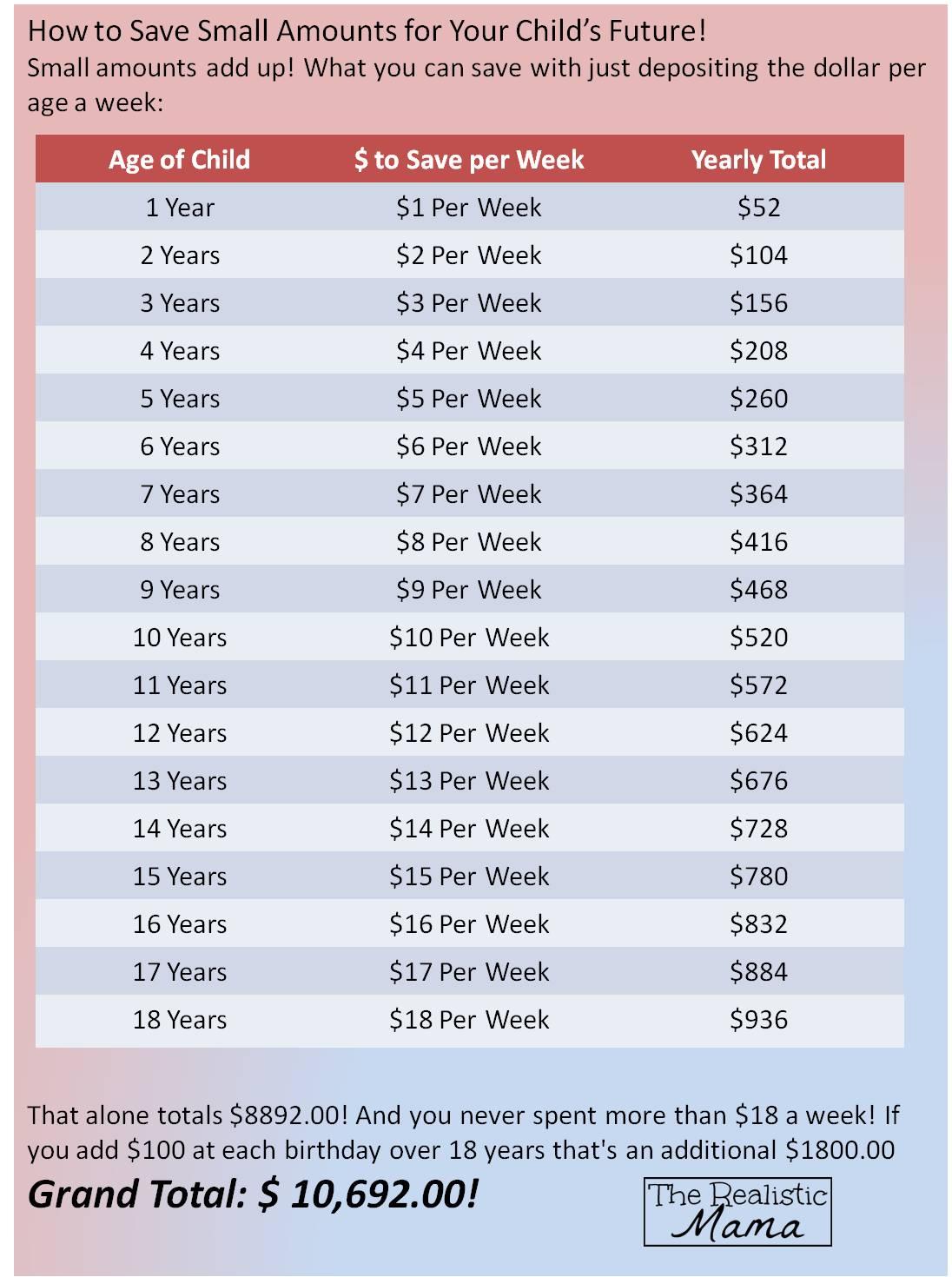
When embarking on the journey to build an education fund, it’s crucial to establish a strategy that aligns with your financial situation and future aspirations. Start by identifying the total amount you’ll need for the education fund, considering factors like tuition fees, living expenses, and potential inflation. Break this amount into smaller, more manageable targets, and set a timeline for achieving each one. This not only makes the goal less daunting but also helps maintain motivation as you reach each milestone.

  • Analyze your current finances: Review your income, expenses, and any existing debts. This will give you a clear picture of your financial standing and how much you can realistically save each month.
  • Automate your savings: Set up automatic transfers to your education fund to ensure consistency and discipline in saving.
  • Track and adjust: Regularly review your progress and be flexible to make adjustments if needed. Life is unpredictable, and it’s important to adapt your plan to changing circumstances.
  • Explore investment options: Consider investing a portion of your savings to potentially grow your fund faster. Consult with a financial advisor to explore options that match your risk tolerance.

By structuring your savings plan with clear, realistic goals and actionable steps, you’ll be well on your way to securing a bright educational future.
Exploring Investment Options to Maximize Growth

Exploring Investment Options to Maximize Growth

When planning to build an education fund, it’s crucial to explore a variety of investment options to ensure growth and security. Start by considering diversified portfolios that include a mix of stocks, bonds, and mutual funds. Diversification helps mitigate risk while maximizing potential returns. Additionally, explore index funds and exchange-traded funds (ETFs) as cost-effective options that offer broad market exposure.

  • Stocks: Offer high growth potential, but come with higher risk.
  • Bonds: Provide stability and regular income, ideal for risk-averse investors.
  • Mutual Funds: Managed by professionals, offering diversification and convenience.
  • Index Funds/ETFs: Low-cost, diversified, and track specific market indices.

Don’t overlook the power of compound interest; starting early can significantly boost your fund over time. Consider setting up a 529 plan or other tax-advantaged accounts to maximize your savings. Regularly review and adjust your investment strategy to align with your evolving financial goals and market conditions. By staying informed and proactive, you can confidently build a robust education fund for the future.

Monitoring Progress and Adjusting Strategies

Monitoring Progress and Adjusting Strategies

To ensure you’re on the right track towards building a robust education fund, it’s crucial to consistently evaluate your progress and make necessary adjustments. Begin by setting regular check-ins, perhaps monthly or quarterly, to review your financial statements and compare them against your goals. Look for patterns in your spending and saving habits that might require modification. During these evaluations, ask yourself:

  • Are my savings contributions meeting my expectations?
  • Have there been any unexpected expenses that impacted my fund?
  • Is the growth of my investments aligned with my projections?

If you notice discrepancies or areas of concern, don’t hesitate to pivot your strategy. Consider increasing your monthly contributions, exploring new investment opportunities, or cutting back on non-essential expenses. Utilize budgeting tools or apps to track your progress more effectively. Remember, flexibility is key; adapting to changes promptly can significantly enhance your ability to reach your financial goals.


Hot this week

Best Ways to Plan for Your Familys Long Term Financial Success

To secure your family's financial future, start by setting clear goals, creating a diversified investment portfolio, and building an emergency fund. Regularly review your plans and adjust as needed to stay on track for long-term success.

How to Diversify Your Familys Investment Portfolio

Diversifying your family's investment portfolio involves balancing risk and reward. Consider a mix of stocks, bonds, real estate, and mutual funds. Regularly review and adjust to align with financial goals and market conditions.

Credit counseling services for debt management and reduction

Credit counseling services offer expert guidance for managing and reducing debt. By analyzing your financial situation, they help create a tailored plan to consolidate debts, lower interest rates, and improve financial literacy, leading to lasting financial stability.

How to Stay Focused on Long Term Financial Goals

Stay focused on long-term financial goals by setting clear objectives, creating a realistic budget, and regularly reviewing your progress. Automate savings and avoid distractions by staying informed and disciplined in your financial journey.

How to Plan for Unexpected Medical Expenses

To manage unexpected medical expenses, start by building an emergency fund. Regularly review your insurance coverage to ensure it meets your needs, and consider a Health Savings Account (HSA) for tax-advantaged savings.

Topics

Best Ways to Plan for Your Familys Long Term Financial Success

To secure your family's financial future, start by setting clear goals, creating a diversified investment portfolio, and building an emergency fund. Regularly review your plans and adjust as needed to stay on track for long-term success.

How to Diversify Your Familys Investment Portfolio

Diversifying your family's investment portfolio involves balancing risk and reward. Consider a mix of stocks, bonds, real estate, and mutual funds. Regularly review and adjust to align with financial goals and market conditions.

Credit counseling services for debt management and reduction

Credit counseling services offer expert guidance for managing and reducing debt. By analyzing your financial situation, they help create a tailored plan to consolidate debts, lower interest rates, and improve financial literacy, leading to lasting financial stability.

How to Stay Focused on Long Term Financial Goals

Stay focused on long-term financial goals by setting clear objectives, creating a realistic budget, and regularly reviewing your progress. Automate savings and avoid distractions by staying informed and disciplined in your financial journey.

How to Plan for Unexpected Medical Expenses

To manage unexpected medical expenses, start by building an emergency fund. Regularly review your insurance coverage to ensure it meets your needs, and consider a Health Savings Account (HSA) for tax-advantaged savings.

Simple Steps to Cut Down on Monthly Bills

To reduce monthly bills, start by tracking your expenses. Identify non-essential subscriptions to cancel, negotiate better rates for services, and implement energy-saving habits. These steps can significantly ease financial stress.

How to Choose the Right Education Savings Plan

Choosing the right education savings plan requires understanding your financial goals, the timeline for education expenses, and tax implications. Evaluate options like 529 plans or ESAs to find the best fit for your family's future.

Simple Ways to Save for a Family Vacation This Year

Start by setting a clear savings goal and timeline. Create a dedicated vacation fund, automate monthly deposits, and cut non-essential expenses. Use cashback apps and compare travel deals to maximize your savings efficiently.
spot_img

Related Articles

Popular Categories

spot_imgspot_img