

In an era where financial security is increasingly intertwined with personal freedom, the prospect of retiring early has transformed from a distant dream to a tangible goal for many families. As the landscape of investment opportunities continues to evolve, so too do the strategies that can pave the way to early retirement. This article delves into the most effective investment strategies for families aiming to achieve financial independence ahead of the traditional timeline. By analyzing current market trends, risk management techniques, and asset diversification methods, we provide a comprehensive guide designed to empower families to make informed decisions on their journey to early retirement. With a confident grasp of both time-tested and innovative approaches, we aim to equip you with the knowledge necessary to navigate the complexities of the financial world and secure a prosperous future.
Evaluating Risk Tolerance and Diversification for Family Portfolios
Understanding your family’s risk tolerance is a pivotal step in crafting a robust investment strategy aimed at early retirement. Risk tolerance refers to the degree of variability in investment returns that a family is willing to withstand. This can be influenced by factors such as age, income stability, and financial goals. It’s essential to evaluate whether your family is more comfortable with conservative, moderate, or aggressive investment approaches. A conservative approach might prioritize preserving capital with low-risk assets, while an aggressive strategy could focus on high-reward opportunities despite potential volatility.
Diversification is another cornerstone in building a resilient family portfolio. By spreading investments across a variety of asset classes, you mitigate risks and enhance potential returns. Consider including a mix of the following in your portfolio:
- Stocks: Offers growth potential but comes with higher volatility.
- Bonds: Generally provide more stability and regular income.
- Real Estate: Can act as a hedge against inflation and offer passive income.
- Mutual Funds/ETFs: Enable diversification across various sectors and geographies.
Aligning your risk tolerance with a well-diversified portfolio not only safeguards your investments but also sets a solid foundation for achieving early retirement aspirations. Consistent reassessment of both elements ensures that your family remains on track toward financial freedom.
Maximizing Tax-Advantaged Accounts for Early Retirement
When planning for early retirement, it’s crucial to take full advantage of tax-advantaged accounts. These accounts not only offer tax savings but also allow your investments to grow more efficiently. Here are some key strategies to consider:
- Maximize Contributions: Ensure you are contributing the maximum allowable amount to accounts such as 401(k)s, IRAs, and HSAs. Each of these accounts offers unique tax benefits that can significantly impact your long-term savings.
- Consider Roth Conversions: If you’re in a lower tax bracket, converting traditional IRA funds to a Roth IRA can be beneficial. This move allows you to pay taxes now at a lower rate, with the advantage of tax-free withdrawals in retirement.
- Utilize the Backdoor Roth IRA: For high-income earners, this strategy involves making non-deductible contributions to a traditional IRA and then converting those funds to a Roth IRA, bypassing income limits.
By strategically leveraging these accounts, families can effectively reduce their tax burden while maximizing the growth potential of their retirement savings. This proactive approach not only accelerates the journey to early retirement but also ensures a more secure financial future.
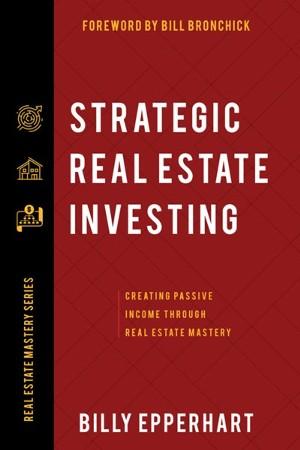
Strategic Real Estate Investments to Secure Long-Term Wealth
In the realm of building long-term wealth, strategic real estate investments can be a game-changer for families aiming for early retirement. Real estate offers not only the potential for passive income but also appreciation over time, providing a dual stream of financial growth. Families should consider diversifying their portfolios by investing in various types of properties. Residential real estate, such as rental homes or multi-family units, can provide consistent cash flow, while commercial properties often yield higher returns due to longer lease agreements and the potential for business growth.
- Location is Key: Invest in areas with strong economic growth, good schools, and low crime rates to ensure property value appreciation.
- Consider REITs: Real Estate Investment Trusts offer a way to invest in real estate without the hassle of property management, providing a more liquid form of investment.
- Leverage Tax Advantages: Take advantage of tax benefits such as depreciation, 1031 exchanges, and mortgage interest deductions to maximize returns.
Strategically selecting properties that align with your family’s financial goals and risk tolerance is crucial. By taking a calculated approach, families can harness the power of real estate to build a robust portfolio that not only secures their financial future but also paves the way for a comfortable and early retirement.

Utilizing Passive Income Streams to Enhance Financial Stability
In the pursuit of financial independence and early retirement, families are increasingly turning to passive income streams as a reliable strategy to enhance financial stability. By diversifying income sources beyond traditional employment, families can create a robust financial foundation that withstands economic fluctuations. Passive income can take many forms, each with its own benefits and considerations. Some of the most effective streams include:
- Dividend Stocks: Investing in dividend-paying stocks offers a steady income while also providing the potential for capital appreciation.
- Real Estate Rentals: Owning rental properties can generate consistent monthly income, and real estate often appreciates over time.
- Peer-to-Peer Lending: This alternative investment allows families to earn interest by lending money directly to individuals or small businesses.
- Index Funds and ETFs: These low-cost, diversified investments can provide growth and income, aligning with long-term financial goals.
Integrating these passive income streams requires careful planning and risk assessment. However, when executed effectively, they can significantly contribute to a family’s financial security and pave the way for an early, comfortable retirement.