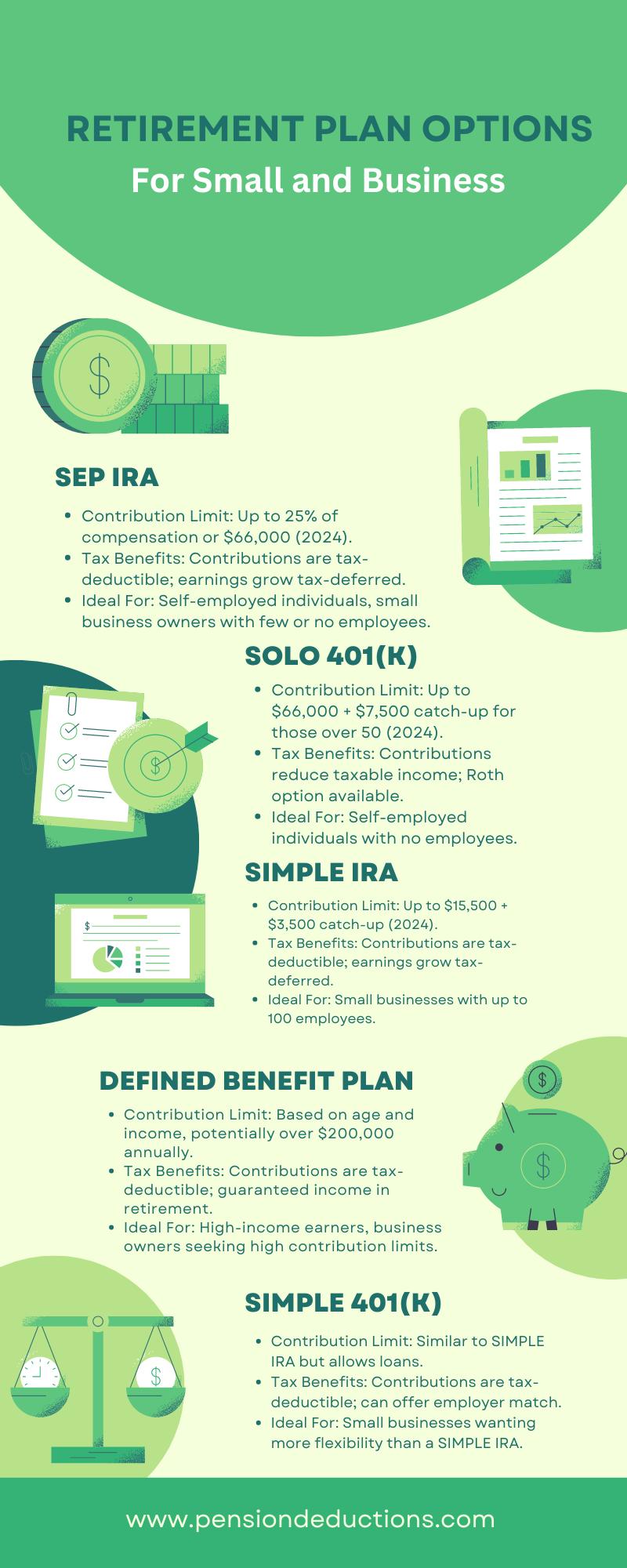

In today’s fast-paced world, securing a stable financial future is more crucial than ever. Yet, for many, the prospect of saving for the long term can seem daunting, especially when budgets are tight. The good news is that building a robust savings plan doesn’t require substantial upfront contributions. By starting small and maintaining consistency, anyone can create a pathway to financial security. This guide will walk you through the essential steps to initiate a long-term savings plan with modest contributions, empowering you to take control of your financial destiny with confidence and ease. Whether you’re saving for retirement, a major purchase, or simply for peace of mind, these strategies will help you build a solid foundation for your financial future.
Understanding the Importance of Long Term Savings
In a world filled with instant gratification, the concept of saving for the long haul often takes a backseat. Yet, long-term savings play a pivotal role in securing your financial future, offering peace of mind and a safety net for life’s unexpected twists. Understanding the importance of setting aside funds over an extended period can be the difference between financial stability and uncertainty. Here’s why it’s crucial:
- Financial Security: Long-term savings provide a cushion against economic downturns, medical emergencies, and job losses.
- Wealth Accumulation: By saving consistently, even with small contributions, you leverage the power of compound interest, allowing your money to grow exponentially over time.
- Retirement Readiness: Starting early means you can enjoy your retirement without financial stress, affording you the lifestyle you desire.
- Goal Achievement: Whether it’s buying a home, funding education, or traveling the world, long-term savings turn dreams into reality.
Embrace the journey of saving as a commitment to your future self. The discipline of consistent saving is a skill that pays dividends, quite literally, ensuring you can navigate life’s financial hurdles with confidence and ease.

Creating a Realistic Budget for Small Contributions
Crafting a budget that accommodates small contributions requires a strategic approach that maximizes every penny. Start by identifying your monthly income and expenses, ensuring that you account for all fixed and variable costs. This will give you a clear picture of your financial landscape. From here, consider these actionable steps:
- Prioritize essential expenses: Ensure that necessities such as housing, utilities, and groceries are covered first.
- Allocate for savings: Even if it’s a modest amount, designate a specific portion of your income for savings. This can be as little as 5% of your income.
- Trim discretionary spending: Identify areas where you can reduce spending, like dining out or subscriptions, and redirect those funds towards your savings plan.
By implementing these steps, you can establish a budget that not only meets your current needs but also supports your long-term savings goals. Remember, consistency is key, and even small, regular contributions can grow significantly over time.
Choosing the Right Savings Account for Maximum Growth
When planning for long-term savings, it’s essential to select a savings account that not only keeps your money safe but also helps it grow. Start by exploring accounts that offer high-interest rates, as these will maximize your growth potential over time. Look for features like compounding interest, which can significantly boost your savings with regular contributions. It’s crucial to be aware of any fees or minimum balance requirements that could eat into your savings. Here’s a quick checklist to guide your decision:
- Interest Rate: Opt for accounts with competitive rates.
- Compounding Frequency: More frequent compounding means more growth.
- Account Fees: Avoid accounts with high fees or penalties.
- Minimum Balance: Choose accounts with low or no minimum balance requirements.
- Accessibility: Ensure you can easily access your funds if needed.
Additionally, consider accounts that offer introductory bonuses or tiered interest rates, which reward higher balances with better rates. By carefully comparing your options, you can choose a savings account that aligns with your growth objectives and helps you build a robust financial future, even with small, consistent contributions.
Implementing Consistent Savings Habits for Lasting Success
Establishing a successful savings routine begins with the commitment to consistency, even if you’re starting small. The key is to integrate savings into your lifestyle in a way that feels effortless yet impactful. Begin by setting up an automatic transfer from your checking account to your savings account every time you receive your paycheck. This ensures that a portion of your income is consistently directed towards your savings, reinforcing the habit without requiring constant manual intervention.
- Start with a manageable amount, such as 5% of your income, and gradually increase it over time.
- Regularly review your budget to identify unnecessary expenses that can be redirected into savings.
- Utilize financial apps to track your progress and motivate yourself by visualizing your growing savings.
By implementing these strategies, you can cultivate a savings habit that not only supports your immediate goals but also lays the foundation for long-term financial success.