
Planning for a secure retirement is one of the most significant financial endeavors you will undertake in your lifetime. With the right strategies and foresight, you can ensure a comfortable and fulfilling retirement that aligns with your dreams and aspirations. This article is designed to equip you with top tips for crafting a robust retirement plan, addressing key considerations such as savings, investments, and lifestyle choices. By following these expert recommendations, you can confidently navigate the complexities of retirement planning and build a future that offers both security and peace of mind. Let’s embark on this journey together, transforming uncertainty into a well-structured path towards your golden years.
Understanding Retirement Goals and Financial Needs
When planning for a secure retirement, it’s crucial to have a clear understanding of your retirement goals and the financial needs that accompany them. Begin by envisioning the lifestyle you desire post-retirement—do you plan to travel the world, start a new hobby, or simply enjoy a peaceful life at home? Once your vision is clear, you can estimate the financial resources required to sustain it. Consider these essential factors:
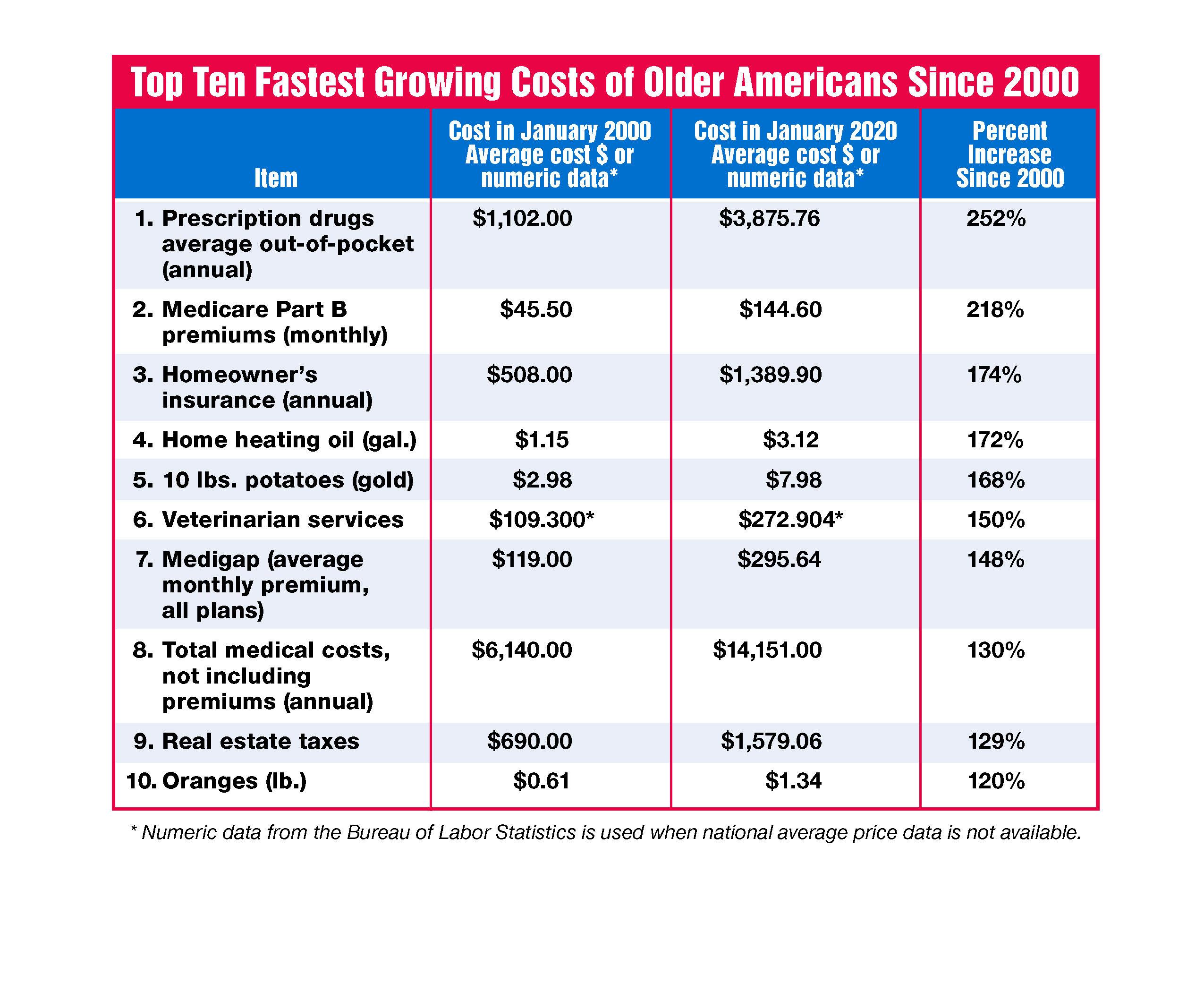
- Healthcare Costs: With age, healthcare expenses often increase. Factor in potential medical bills and insurance premiums.
- Living Expenses: Evaluate your current spending habits and anticipate any changes. Consider inflation and the potential rise in cost of living.
- Leisure and Travel: If you wish to travel or indulge in leisure activities, allocate a budget for these pursuits.
- Legacy Goals: If leaving an inheritance is important, ensure your financial plans accommodate this aspiration.
Understanding these components will help you align your savings and investment strategies with your retirement aspirations. Remember, a proactive approach to defining and addressing your financial needs is key to achieving a secure and fulfilling retirement.

Strategic Investment Approaches for Long-Term Growth
In order to cultivate a financially secure future, it’s crucial to embrace investment strategies that prioritize long-term growth. Diversifying your investment portfolio can serve as a foundational principle in this endeavor. Consider allocating assets across various sectors and industries to mitigate risks and capitalize on market opportunities. Additionally, focus on investments with proven historical performance, such as index funds or blue-chip stocks, which often provide stability and consistent returns over time.
Beyond diversification, another key approach is to maintain a disciplined dollar-cost averaging strategy. By consistently investing a fixed amount at regular intervals, you can reduce the impact of market volatility on your portfolio. This method helps in buying more shares when prices are low and fewer when they are high, effectively smoothing out the cost of investments over time. Consider these strategic approaches:
- Reinvest Dividends: Automatically reinvesting dividends can compound returns, enhancing growth potential.
- Regular Portfolio Review: Periodically reassess your portfolio to ensure alignment with your retirement goals.
- Embrace Tax-Efficient Accounts: Maximize contributions to accounts like IRAs or 401(k)s to benefit from tax advantages.
Maximizing Social Security and Pension Benefits
To ensure you get the most out of your Social Security and pension benefits, it’s crucial to implement strategic approaches. Start by understanding your benefits: Review your Social Security statement regularly and familiarize yourself with your pension plan details. Knowing the specific terms and conditions will help you make informed decisions.
Consider these strategies to maximize your benefits:
- Delay claiming Social Security: Waiting beyond your full retirement age can increase your monthly benefit amount. Each year you delay, up to age 70, your benefits grow by a certain percentage.
- Coordinate with your spouse: If you’re married, strategize with your partner on the best time for each of you to claim benefits. This can help maximize the household income over time.
- Understand pension payout options: Many pensions offer a choice between a lump sum and a monthly annuity. Consider your longevity, financial needs, and investment options before deciding.
- Consult a financial advisor: A professional can provide personalized advice, helping you understand complex regulations and optimize your retirement income.

Effective Estate Planning and Legacy Management
Securing a well-organized estate plan is a pivotal step towards ensuring that your assets are distributed according to your wishes and that your legacy is preserved for future generations. Start by crafting a comprehensive will, which serves as the cornerstone of any robust estate plan. This document outlines how your possessions should be allocated, sparing your loved ones from potential disputes. Consider creating a trust to manage your assets effectively, as it can offer tax benefits and help avoid the probate process, ensuring a smoother transition of your estate.
- Review and Update Regularly: Life changes, such as marriage, divorce, or the birth of a child, necessitate updates to your estate plan.
- Choose Executors Wisely: Select trusted individuals who can manage your estate efficiently and honor your wishes.
- Consider Long-Term Care: Incorporate provisions for potential long-term healthcare needs to safeguard your estate.
Integrating legacy management into your plan can amplify the impact of your estate. By establishing charitable contributions or family foundations, you can ensure that your values and priorities endure beyond your lifetime. Prioritize open discussions with your family about your plans and intentions, creating a transparent environment that respects your legacy and prepares them for the responsibilities ahead.