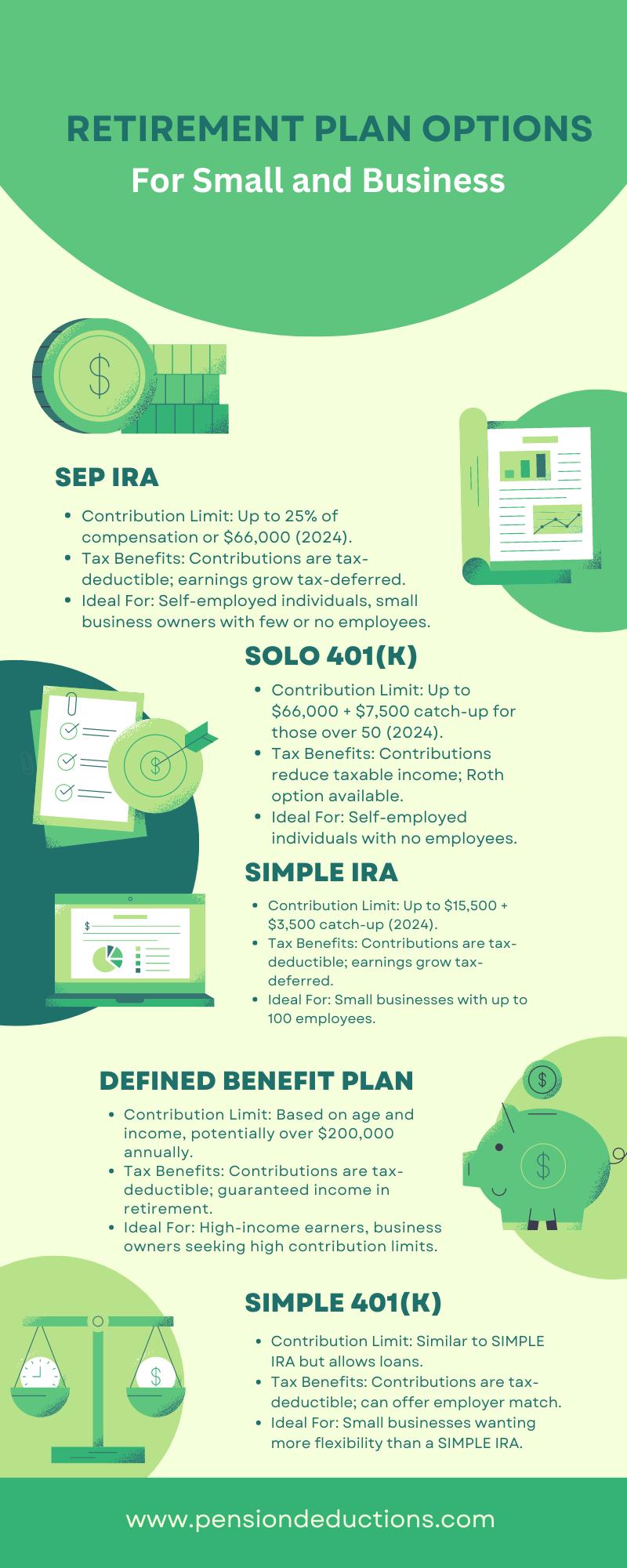

Creating a long-term savings plan that seamlessly integrates with your lifestyle is not just a financial goal—it’s a transformative journey towards financial independence and security. In a world where unexpected expenses and life changes are inevitable, having a robust savings strategy is essential. This guide is designed to empower you with the knowledge and tools needed to develop a personalized savings plan that aligns with your unique lifestyle and aspirations. By understanding your financial habits, setting realistic goals, and leveraging smart saving techniques, you can build a solid foundation for a prosperous future. Whether you’re saving for retirement, a dream home, or simply for peace of mind, this article will equip you with the confidence and clarity to take control of your financial destiny. Let’s embark on this journey to financial empowerment and discover how you can create a savings plan that not only meets your needs but also enriches your life.
Understanding Your Financial Landscape
Embarking on a journey to secure your financial future begins with a clear understanding of your current financial landscape. This involves assessing your income, expenses, assets, and liabilities. Start by evaluating your monthly income and listing all sources of revenue. Then, meticulously document your expenses, categorizing them into necessities, discretionary spending, and savings. This will give you a comprehensive view of where your money goes and help identify areas for potential savings.
Once you have a clear picture of your financial standing, consider your long-term goals. Ask yourself: What are my priorities? Retirement, buying a home, or traveling the world? Align your savings plan with these aspirations. Some steps to consider include:
- Setting realistic and achievable savings targets.
- Automating your savings to ensure consistency.
- Regularly reviewing and adjusting your plan as your lifestyle and goals evolve.
By understanding and managing your financial landscape, you’ll be better equipped to create a savings plan that not only supports your lifestyle but also paves the way for a secure and prosperous future.

Setting Realistic and Achievable Goals
Creating a successful long-term savings plan begins with setting goals that are both realistic and achievable. To ensure your objectives are practical, consider aligning them with your current lifestyle and financial situation. This alignment helps maintain motivation and prevents discouragement. Begin by assessing your income, expenses, and any existing savings. Once you have a clear understanding of your financial picture, you can start crafting goals that fit comfortably within it.
- Be Specific: Define exactly what you’re saving for, whether it’s a home, retirement, or an emergency fund.
- Set Measurable Targets: Decide how much you need to save and by when. This will help you track your progress and stay accountable.
- Ensure Attainability: Break down your goals into smaller, manageable steps. This makes them less daunting and more achievable.
- Stay Relevant: Your goals should reflect your personal values and long-term aspirations.
- Time-Bound: Establish a timeline for reaching each goal to maintain focus and urgency.
By following these guidelines, you create a savings plan that is not only realistic but also inspiring, propelling you towards financial security and peace of mind.

Crafting a Personalized Savings Strategy
Designing a savings plan that aligns with your personal lifestyle requires a thoughtful approach. Begin by assessing your financial habits and identifying areas where you can make adjustments. This process starts with setting clear, achievable goals. Ask yourself what you’re saving for, whether it’s a home, education, or retirement. Your goals should be specific and time-bound to provide a clear path forward.
Next, consider your income and expenses. Track your spending meticulously for a month to gain insight into your financial patterns. Use this information to categorize your expenses and identify potential savings. Create a budget that incorporates these categories, ensuring you allocate a portion of your income to savings. Here are a few strategies to consider:
- Automate savings: Set up automatic transfers from your checking to your savings account to ensure consistency.
- Reduce unnecessary expenses: Identify and cut back on non-essential spending.
- Increase your income: Explore side hustles or freelance opportunities to boost your savings potential.
- Review and adjust: Regularly revisit your savings plan to make adjustments based on changes in your lifestyle or financial situation.
By following these steps, you can create a personalized savings strategy that not only meets your financial goals but also complements your way of living.

Adapting Your Plan for Lifes Changes
Life is full of unexpected turns, and your long-term savings plan should be flexible enough to accommodate these changes. Whether it’s a career shift, a new family member, or even a relocation, adapting your financial strategy is crucial. Here are some key considerations to keep your plan aligned with life’s transitions:
- Re-evaluate Your Goals: Periodically assess your financial goals to ensure they reflect your current situation. What seemed important a few years ago might no longer be relevant.
- Adjust Your Budget: Major life changes often come with financial implications. Update your budget to accommodate new expenses or savings opportunities.
- Consult with a Financial Advisor: Professional advice can provide clarity and help you make informed decisions when navigating life’s changes.
By remaining proactive and adaptable, you can ensure that your savings plan not only survives but thrives amidst the ebbs and flows of life.