
In today’s fast-paced world, managing personal finances can often feel like navigating a labyrinth of expenses, obligations, and unexpected costs. Yet, amidst this financial maze, one goal stands out as a beacon of stability and freedom: becoming debt-free. For many, the path to financial liberation begins with a crucial step—cutting down on monthly expenses to prioritize debt repayment. This guide will equip you with practical strategies and actionable insights to streamline your spending, maximize your savings, and accelerate your journey towards a debt-free life. With a confident approach and a clear plan, you’ll discover how small adjustments can lead to significant financial transformations, empowering you to take control of your financial future.
Identify and Eliminate Unnecessary Expenses
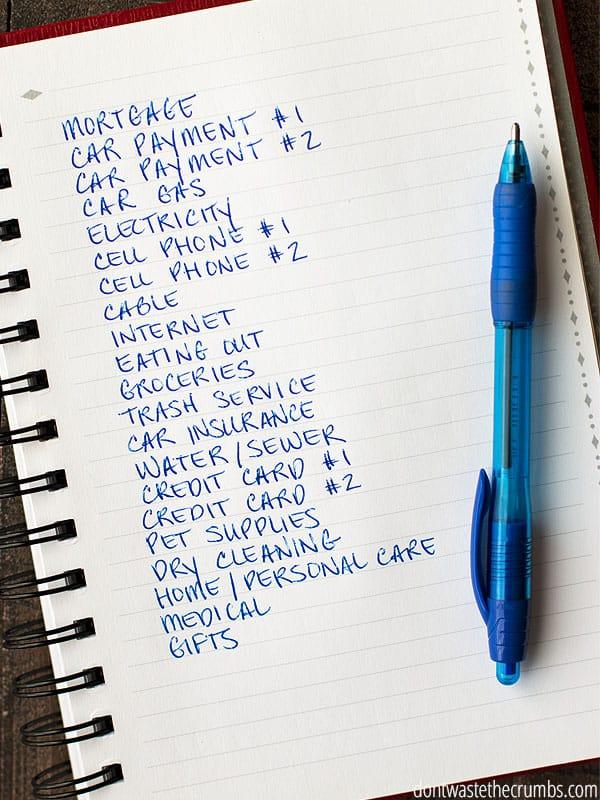
To regain control over your finances, it’s essential to scrutinize your spending habits and identify areas where you can cut back. Start by reviewing your bank statements and credit card bills from the past few months. Look for patterns and ask yourself if each expense was necessary or if it was a luxury. Many people are surprised to find how much they spend on non-essential items, such as daily coffee runs, subscription services, or dining out. Once you’ve pinpointed these areas, you can make a conscious decision to eliminate or reduce these expenses. This process not only frees up more money for debt repayment but also fosters a more mindful approach to spending.
- Cancel unused subscriptions: Go through your monthly subscriptions and cancel any that you rarely use. This could include streaming services, magazine subscriptions, or gym memberships.
- Limit dining out: Eating out can quickly add up. Try cooking at home more often and reserve dining out for special occasions.
- Evaluate your utility bills: Check if you’re overpaying for services like internet or cable. Consider negotiating for a better rate or switching to a more affordable provider.
- Shop smart: Create a shopping list before heading to the store and stick to it. Avoid impulse buys by planning meals and buying in bulk when possible.
By consciously eliminating unnecessary expenses, you can significantly reduce your monthly costs and redirect those funds toward achieving your debt repayment goals. Embrace this opportunity to build a healthier financial future, one small change at a time.

Maximize Savings on Essential Bills
In the quest to focus on debt repayment, one of the most impactful strategies is to scrutinize and minimize your essential bills. Start by auditing your monthly statements to identify where you might be overpaying. Many people find unexpected savings by simply renegotiating their contracts or switching providers. Consider these actionable steps:
- Energy Efficiency: Invest in LED bulbs, smart thermostats, and energy-efficient appliances to reduce utility bills. Small changes can lead to significant savings over time.
- Insurance Review: Compare insurance rates annually. Bundling home and auto insurance or increasing deductibles can lower premiums.
- Subscription Audit: Cancel unused or underutilized subscriptions. Streaming services, gym memberships, and magazine subscriptions can often be paused or canceled with little impact on your lifestyle.
Implementing these strategies not only helps in reducing monthly expenses but also creates additional funds that can be directly funneled towards paying off debt faster. Approach each bill with a critical eye, and don’t hesitate to make a change if it means more dollars in your pocket.
Optimize Your Debt Repayment Strategy
To effectively manage your debt, it’s crucial to streamline your monthly expenses. Begin by scrutinizing your spending habits and identifying areas where you can make cuts. Consider these strategies:
- Negotiate Bills: Reach out to service providers to explore options for lowering your monthly payments. Whether it’s your internet, phone, or utilities, there are often discounts or plans available that could save you money.
- Cut Unnecessary Subscriptions: Review all your subscriptions and memberships. Ask yourself if you truly utilize each one and cancel those that no longer serve you.
- Meal Planning: By planning your meals for the week and sticking to a grocery list, you can significantly reduce food expenses and minimize waste.
Once you’ve identified potential savings, redirect those funds towards your debt. This focused approach not only accelerates repayment but also instills a sense of financial discipline. Remember, small changes can lead to substantial progress in reducing your debt burden.

Adopt a Frugal Lifestyle for Long-term Success
Embracing a more economical way of living can be your ticket to financial freedom, especially when it comes to paying off debt. Start by scrutinizing your monthly expenses and identify areas where you can reduce spending. Analyze your utility bills, such as electricity and water, and implement energy-saving habits to lower these costs. Consider switching to more budget-friendly alternatives in terms of groceries by purchasing in bulk or choosing store brands. Cut down on dining out by preparing meals at home, which not only saves money but also encourages healthier eating habits.
To further streamline your finances, consider the following actions:
- Cancel unused subscriptions: Review your monthly subscriptions and cancel those you rarely use.
- Negotiate bills: Contact service providers to negotiate lower rates on phone, internet, or cable bills.
- Carpool or use public transport: Save on fuel and maintenance by sharing rides or opting for public transportation.
- DIY home maintenance: Learn basic home repairs to avoid costly professional services.
By implementing these changes, you’ll find yourself with extra cash each month, which can be strategically directed towards accelerating your debt repayment journey.