

Planning for retirement can often seem daunting, but with the right strategies and a forward-thinking mindset, you can secure a future that is both comfortable and financially stable. In this article, we delve into the best long-term savings tips designed to guide you towards a worry-free retirement. By adopting these proven methods, you’ll not only build a robust financial cushion but also gain peace of mind knowing that your golden years are well taken care of. Whether you’re just starting your career or are already well on your way, these practical tips will empower you to take control of your financial destiny with confidence and clarity. Let’s explore the steps you can take today to ensure a prosperous tomorrow.
Maximize Your Savings with Strategic Budgeting
Embracing strategic budgeting is essential for those aiming to enjoy a financially secure retirement. Start by setting clear and realistic financial goals, ensuring you allocate funds to your retirement savings plan each month. Use tools like budget tracking apps to monitor your spending habits, making it easier to identify and eliminate unnecessary expenses. This disciplined approach will not only increase your savings but also instill a sense of financial responsibility.
- Prioritize High-Interest Debt: Focus on paying off debts with the highest interest rates first to reduce financial burdens and free up more money for savings.
- Automate Savings: Set up automatic transfers to your retirement account to ensure consistent contributions without the temptation to spend.
- Review and Adjust: Regularly assess your budget and adjust it as your financial situation changes, ensuring you stay on track towards your retirement goals.
- Explore Investment Opportunities: Consider diversifying your portfolio with stocks, bonds, or mutual funds to potentially increase your long-term savings.
Harness the Power of Compound Interest for Growth
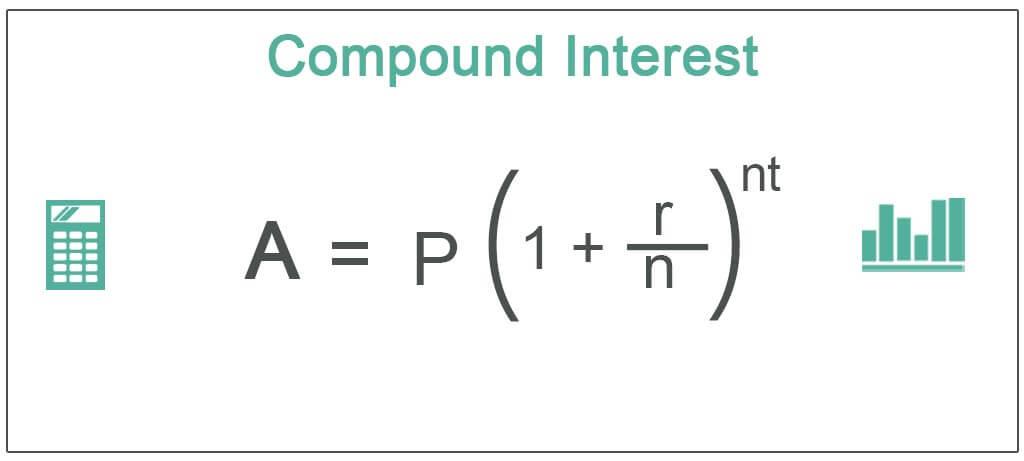
Understanding the magic of compound interest is a crucial step towards ensuring a financially secure retirement. Unlike simple interest, which only earns on the principal amount, compound interest accumulates on both the initial principal and the interest that has been added over time. This creates a snowball effect, allowing your savings to grow exponentially. To maximize the benefits of compounding, it’s essential to start saving early, as time is a critical factor in leveraging compound growth.
- Start Early: The earlier you start saving, the more time your money has to grow. Even small contributions can lead to significant growth over decades.
- Consistent Contributions: Regularly add to your savings to enhance the compounding effect. Set up automatic transfers to ensure consistency.
- Reinvest Earnings: Instead of withdrawing earnings, reinvest them to keep the momentum of compound growth going.
- Choose the Right Accounts: Opt for accounts or investment vehicles that offer compound interest, such as high-yield savings accounts, certificates of deposit, or certain retirement accounts.
By understanding and implementing these strategies, you can harness the power of compound interest to build a substantial nest egg, ensuring a comfortable retirement. Remember, patience and persistence are key, so stay the course and watch your savings flourish over time.

Diversify Your Investment Portfolio Wisely
To ensure a comfortable retirement, it’s essential to consider various asset classes and investment vehicles. A well-rounded portfolio can help mitigate risks and optimize returns. Here are some strategies to achieve this:
- Stocks and Bonds: Balance your portfolio with a mix of equities and fixed-income securities. Stocks offer growth potential, while bonds provide stability and income.
- Real Estate: Investing in property can provide a steady income stream and act as a hedge against inflation.
- Mutual Funds and ETFs: These allow you to invest in a diversified basket of assets, managed by professionals, with lower risk compared to individual stock picking.
- Alternative Investments: Consider including commodities, cryptocurrencies, or art. These can offer unique opportunities for growth and diversification.
- Geographical Diversification: Don’t limit yourself to domestic markets. Explore international opportunities to capture global growth trends.
By carefully allocating resources across different sectors and regions, you can protect your savings against market volatility and secure a more predictable and prosperous retirement.
Leverage Tax-Advantaged Accounts for Greater Returns
To maximize your retirement savings, it’s crucial to utilize tax-advantaged accounts effectively. These accounts, such as IRAs and 401(k)s, offer unique tax benefits that can significantly enhance your long-term savings. Here’s how you can make the most of them:
- 401(k) Matching: If your employer offers a 401(k) match, ensure you’re contributing enough to get the full match. This is essentially free money that boosts your retirement savings.
- Traditional vs. Roth IRAs: Understand the difference between Traditional and Roth IRAs. A Traditional IRA provides tax deductions now, while a Roth IRA allows tax-free withdrawals later. Choose based on your current tax bracket and expected retirement tax rate.
- Catch-Up Contributions: If you’re 50 or older, take advantage of catch-up contributions. This allows you to contribute more to your retirement accounts, accelerating your savings as you near retirement.
By strategically leveraging these accounts, you not only reduce your current tax burden but also pave the way for a more financially secure retirement. Keep in mind that tax laws can change, so it’s wise to consult with a financial advisor to ensure your strategy aligns with the latest regulations.