

Planning a family vacation can often feel like navigating a financial minefield, with the potential for unexpected expenses to quickly spiral out of control. However, with careful planning and strategic financial management, it is entirely possible to enjoy a memorable getaway without accumulating debt. This article serves as your comprehensive guide to orchestrating a debt-free family vacation, offering expert advice and practical strategies to ensure your trip is both enjoyable and fiscally responsible. By adopting a disciplined approach to budgeting, making informed choices, and leveraging available resources, you can create a travel experience that enriches your family’s life without compromising your financial well-being. Join us as we explore the essential steps to take before, during, and after your vacation to maintain financial stability and peace of mind.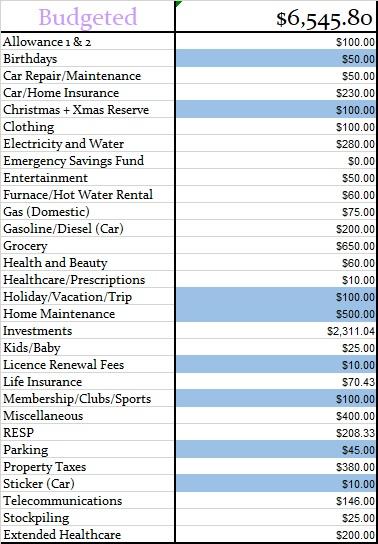
Setting a Realistic Budget and Sticking to It
Embarking on a debt-free family vacation begins with establishing a realistic budget that aligns with your financial situation. Start by identifying all potential expenses, including travel, accommodation, meals, and activities. Utilize online tools or budgeting apps to keep track of these costs. It’s essential to allocate a portion of your budget to unexpected expenses to avoid financial stress. Consider the following steps to streamline your budgeting process:
- Prioritize Your Expenses: Determine what’s most important for your family’s vacation experience. Whether it’s a comfortable hotel stay or exciting excursions, make sure to allocate funds accordingly.
- Research and Compare: Look for deals and discounts on travel sites, and consider off-peak travel times to save money.
- Set Spending Limits: Establish daily spending limits for meals and activities, and stick to them to avoid overspending.
Sticking to your budget requires discipline and a commitment to your financial goals. Make use of WordPress plugins like WP Travel to keep a digital log of your expenses while on the go. This not only helps in tracking spending but also provides a clear picture of your remaining budget. Remember, a debt-free vacation is not about deprivation; it’s about making mindful choices that enhance your family’s experience without the financial burden.
Choosing Cost-Effective Destinations and Activities
When planning a family vacation on a budget, selecting destinations and activities that offer the best value is crucial. Opt for locations known for their affordability yet rich in culture and natural beauty. Consider visiting national parks, which often have low entrance fees and provide a plethora of outdoor activities like hiking, picnicking, and wildlife watching. Additionally, look into cities or towns that offer free or discounted admission to museums, zoos, or historical sites on certain days. Embracing local festivals or community events can also provide unique experiences without breaking the bank.
- Travel during off-peak seasons: This can significantly reduce costs on accommodations and flights.
- Seek out free or low-cost attractions: Beaches, parks, and cultural landmarks often offer inexpensive or complimentary access.
- Utilize public transportation: It’s usually cheaper than renting a car and gives you a chance to experience the destination like a local.
- Explore local dining: Eating where the locals do can save money and provide a more authentic culinary experience.

Maximizing Savings on Travel and Accommodation
To keep your family vacation within budget, start by exploring various travel deals and discounts. Utilize comparison websites and apps to find the best rates on flights and accommodation. Consider booking your flights during off-peak seasons or opting for mid-week travel, as prices tend to be lower. Flexible travel dates can significantly reduce costs, so keep an open mind about your departure and return days.
- Sign up for airline newsletters to receive alerts on flash sales and exclusive offers.
- Look into vacation packages that bundle flights, hotels, and sometimes car rentals at a reduced rate.
- Use loyalty points or frequent flyer miles to cover part of your travel expenses.
When it comes to accommodation, consider alternatives to traditional hotels. Platforms like Airbnb or Vrbo often offer more affordable and spacious options, especially for families. House swapping or staying in hostels with family-friendly amenities can also be cost-effective choices. Don’t forget to check for discount codes and cashback offers when booking online, as these can further cut down your expenses.

Utilizing Rewards Programs and Discounts for Extra Savings
Unlock the potential of rewards programs and discounts to significantly cut down on vacation costs. Start by enrolling in loyalty programs offered by airlines, hotels, and even car rental services. These programs often provide points or miles for every dollar spent, which can be redeemed for free flights, accommodation, or upgrades. Additionally, make the most of credit card rewards by using cards that offer travel-related perks. Some cards provide cashback, while others accumulate points that can be transferred to various travel partners.
Don’t overlook the power of discount platforms and coupon sites. Websites like Groupon or RetailMeNot frequently offer substantial discounts on activities, dining, and even travel packages. Moreover, consider signing up for newsletters from travel companies to stay informed about flash sales or exclusive offers. Make sure to also check for membership discounts if you belong to organizations like AAA or AARP, which often come with travel-related savings. By strategically leveraging these resources, you can enjoy a luxurious vacation without breaking the bank.