
In an unpredictable world, financial stability is a cornerstone of security for any family. An emergency fund serves as a financial safety net, providing peace of mind and a buffer against unforeseen expenses such as medical emergencies, car repairs, or sudden job loss. Building this fund is not merely a financial strategy; it’s a crucial step toward safeguarding your family’s future. In this article, we will explore simple, effective methods to establish and grow a family emergency fund. By implementing these strategies, you can ensure that your family is better prepared to face life’s uncertainties with confidence and resilience.
Assessing Your Financial Landscape: Identifying Areas for Savings
Before you can effectively build a family emergency fund, it’s crucial to have a clear understanding of your current financial situation. Start by examining your monthly expenses to pinpoint areas where you can cut costs. Consider the following steps to identify potential savings:
- Review Subscriptions: Audit your monthly subscriptions. Are there any services you no longer use or need? Cancel or downgrade these to free up funds.
- Utility Bills: Look into your utility bills for opportunities to reduce consumption. Simple actions like turning off lights when not in use or adjusting your thermostat can lead to significant savings.
- Groceries: Evaluate your grocery shopping habits. Plan meals, make lists, and avoid impulse buys to minimize waste and expense.
- Transportation: Assess your transportation costs. Can you carpool, use public transportation, or cycle to work instead?
By systematically reviewing these areas, you can uncover hidden savings, which can be redirected towards building a robust emergency fund. Remember, even small adjustments can accumulate over time, creating a significant impact on your financial stability.

Setting Realistic Goals: How Much Should Your Emergency Fund Be
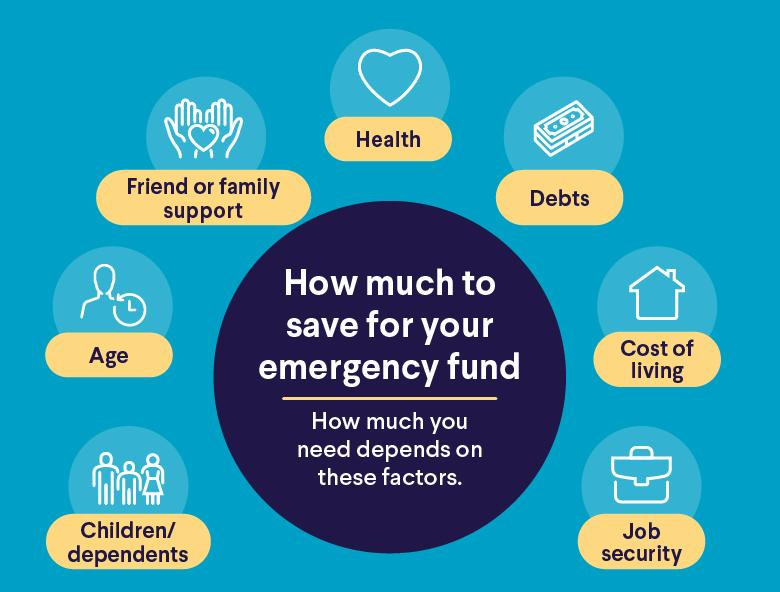
Determining the right size for your emergency fund is crucial to its effectiveness. A well-thought-out fund acts as a financial safety net, offering peace of mind and stability during unforeseen circumstances. While the general rule of thumb is to save three to six months’ worth of living expenses, the exact amount should be tailored to your family’s unique needs and circumstances. Consider factors such as job stability, monthly expenses, and any specific risks you might face, like medical emergencies or home repairs.
- Assess Your Monthly Expenses: Start by calculating your essential monthly expenses, including housing, utilities, groceries, and transportation. This will give you a baseline for how much you need to cover in a month.
- Evaluate Your Income Sources: If your household relies on a single income, a larger emergency fund may be necessary compared to a dual-income household.
- Consider Risk Factors: Families with high-risk factors, such as self-employment or health issues, should aim for a more substantial fund to cushion against potential income disruptions.
Ultimately, the size of your emergency fund should reflect your family’s specific needs and lifestyle, ensuring you are prepared for life’s unpredictable turns. By setting a realistic and achievable goal, you can systematically build a fund that truly supports your family in times of need.

Strategic Saving Techniques: Automating and Prioritizing Contributions
In the quest to build a robust family emergency fund, leveraging strategic saving techniques can significantly enhance your financial stability. Automation is your best ally here. By setting up automatic transfers from your checking account to a dedicated savings account, you ensure that your fund grows consistently without relying on manual interventions. Most banks and financial apps offer features to automate these contributions, allowing you to customize the frequency and amount to align with your income flow. This ‘set it and forget it’ approach minimizes the temptation to spend money earmarked for savings.
Equally crucial is the art of prioritizing contributions. Begin by assessing your financial landscape and determining a realistic savings goal. Once established, focus on funneling your disposable income into this fund before allocating resources to other savings or investment vehicles. Consider these tactics:
- Round-up Savings: Use apps that round up your purchases to the nearest dollar and deposit the difference into your emergency fund.
- Windfall Allocation: Commit to saving a percentage of any unexpected income, such as tax refunds or bonuses.
- Expense Review: Regularly audit your expenses to identify and eliminate unnecessary spending, redirecting those funds to your savings.
By automating and prioritizing, you not only streamline the savings process but also build a financial buffer that can weather unforeseen challenges.
Maximizing Savings: Utilizing High-Interest Accounts and Budgeting Tools
To effectively build a robust family emergency fund, it’s crucial to harness the power of high-interest accounts and innovative budgeting tools. High-interest savings accounts offer a dual advantage: not only do they keep your money accessible for emergencies, but they also allow it to grow at a much faster rate than traditional savings accounts. Look for accounts with competitive interest rates and low or no fees to maximize your savings potential. By parking your funds in such accounts, you ensure that your emergency fund is both secure and steadily growing.
In addition to leveraging high-interest accounts, incorporating budgeting tools into your financial routine can significantly enhance your savings strategy. These tools help track expenses, set savings goals, and identify unnecessary spending. Consider using apps that offer features like:
- Automated savings transfers to ensure consistent fund growth.
- Expense categorization to pinpoint areas for potential cutbacks.
- Goal-setting functionalities to keep your savings objectives on track.
By combining the benefits of high-interest accounts with effective budgeting tools, you can systematically grow your family emergency fund, ensuring financial resilience in times of need.