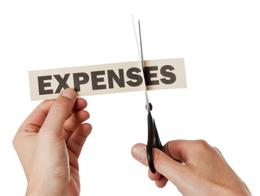

In today’s fast-paced financial landscape, managing personal finances can often feel like a daunting task. Yet, with the right strategies, cutting expenses and paying off debt quicker is not only possible but entirely achievable. This guide is designed to equip you with practical, actionable steps to take control of your financial future. Whether you’re grappling with student loans, credit card debt, or simply seeking to streamline your spending, our comprehensive approach will empower you to make informed decisions and cultivate financial discipline. By embracing these proven techniques, you can pave the way toward financial freedom and peace of mind. Let’s embark on this journey together, transforming your financial challenges into opportunities for growth and stability.
Identifying Unnecessary Expenses to Streamline Your Budget
One of the most effective ways to regain control over your finances is by closely examining your spending habits to uncover hidden costs that may be draining your wallet. Start by meticulously reviewing your bank statements and credit card bills for the past few months. Look for recurring charges or subscriptions you might have forgotten about. Cancel services that you no longer use or need, such as streaming subscriptions, gym memberships, or magazine subscriptions. It’s surprising how quickly these small expenses can add up, and eliminating them can provide an immediate boost to your monthly savings.
Next, focus on reducing variable expenses that fluctuate month to month. Consider making small changes in your daily routine, such as:
- Preparing meals at home instead of dining out frequently.
- Brewing your own coffee rather than buying from cafes.
- Carpooling or using public transportation to cut down on fuel costs.
- Shopping smarter by using coupons and taking advantage of sales.
Implementing these adjustments can significantly lower your expenses, freeing up more funds to tackle your debt. Remember, every dollar saved is a dollar that can be used to pay down balances faster, helping you achieve financial freedom sooner.
Creating a Realistic and Effective Debt Repayment Plan
Crafting a structured approach to tackling your debt is essential for success. Begin by evaluating your current financial situation, assessing both income and expenditures. List all your debts, including credit card balances, student loans, and any other liabilities. Understanding the total amount owed and the interest rates associated with each debt is crucial for prioritizing repayments. Focus on paying off high-interest debts first to minimize the total interest paid over time.
Next, create a realistic budget that aligns with your repayment goals. Identify areas where you can cut expenses, such as dining out less frequently, reducing subscription services, or opting for generic brands. Redirect these savings towards your debt payments. Establish a monthly repayment target that is both challenging and achievable. Use tools like automated transfers to ensure consistency and prevent late payments. Remember, discipline and persistence are key to successfully paying off debt more quickly. Regularly review and adjust your plan to accommodate any changes in your financial situation, ensuring you stay on track towards financial freedom.

Maximizing Income Opportunities to Accelerate Debt Reduction
Boosting your income can be a game-changer in your journey to financial freedom. Start by exploring side hustles that align with your skills and interests. Whether it’s freelancing, pet sitting, or online tutoring, these gigs can significantly increase your cash flow without requiring a huge time commitment. Additionally, consider selling unused items around your home. Platforms like eBay or Facebook Marketplace can help turn clutter into cash, providing you with extra funds to tackle your debt.
Another effective strategy is to negotiate a raise at your current job. Prepare a compelling case highlighting your contributions and the value you bring to the company. If a raise isn’t feasible, ask about performance bonuses or additional responsibilities that come with higher pay. don’t overlook passive income opportunities. Investing in dividend stocks or rental properties can create a steady income stream that accelerates debt reduction. By diversifying your income sources, you can pay off debt quicker while building a solid financial foundation for the future.

Utilizing Financial Tools and Resources for Better Money Management
Harnessing the power of financial tools and resources can significantly enhance your ability to manage money efficiently. Start by leveraging budgeting apps that sync with your bank accounts to provide real-time updates on your spending habits. These apps often categorize expenses, making it easier to identify areas where you can cut back. Additionally, utilize online financial calculators to forecast your debt repayment timelines. This insight can help you strategize and prioritize which debts to tackle first, potentially saving on interest.
- Automated Savings Plans: Set up automatic transfers to a savings account to ensure you’re consistently setting money aside.
- Credit Monitoring Services: Keep track of your credit score and receive alerts for any unusual activity.
- Debt Management Tools: Use these to consolidate loans and reduce monthly payments, making debt more manageable.
Incorporating these tools into your financial routine not only aids in curbing unnecessary expenses but also accelerates the journey towards being debt-free. Embrace these resources with confidence, knowing that they are designed to support your financial goals.