
In the complex landscape of personal finance, managing long-term debt can be a daunting task for homeowners. Yet, with the right strategies in place, navigating this financial journey can lead to substantial savings and financial stability. This article delves into effective long-term debt repayment strategies tailored specifically for homeowners, empowering you to take control of your financial future. From understanding the nuances of mortgage terms to leveraging refinancing opportunities and exploring debt consolidation, we will guide you through actionable steps to optimize your repayment plan. With confidence and clarity, you can transform your debt into a manageable aspect of your financial portfolio, ultimately paving the way to a debt-free homeownership experience.
Understanding Your Mortgage Terms and Options
When navigating the intricate world of mortgages, understanding the terms and options available to you is crucial for effective long-term debt repayment. Mortgages are not one-size-fits-all; they come with a variety of terms and options that can significantly impact your financial future. Here are some key aspects to consider:
- Interest Rates: Explore both fixed and variable rates. Fixed rates offer stability with consistent payments, while variable rates might provide lower initial payments but come with potential fluctuations.
- Amortization Period: A longer amortization period means lower monthly payments but higher overall interest costs. Assess your budget to find a balance that suits your financial goals.
- Prepayment Options: Look for mortgages that allow prepayments without penalties. This flexibility can help you pay off your mortgage faster and save on interest.
- Refinancing Opportunities: Keep an eye on market trends. Refinancing can be a strategic move to lower your interest rate or change your mortgage terms.
By thoroughly understanding these components, homeowners can tailor their mortgage strategy to align with their long-term financial objectives, ensuring a more secure and manageable debt repayment journey.
Crafting a Personalized Debt Repayment Plan
To effectively manage long-term debt as a homeowner, it’s crucial to develop a plan that reflects your unique financial situation and goals. Start by assessing your current financial status, including all income sources, expenses, and existing debts. Once you have a clear picture, prioritize your debts by considering factors such as interest rates, payment terms, and any potential penalties for early repayment. Focus on high-interest debts first, as these can quickly spiral out of control if not managed carefully.
Next, explore different repayment strategies to determine which aligns best with your financial capabilities and lifestyle. Consider the following approaches:
- Debt Avalanche: Target debts with the highest interest rates first, while maintaining minimum payments on others.
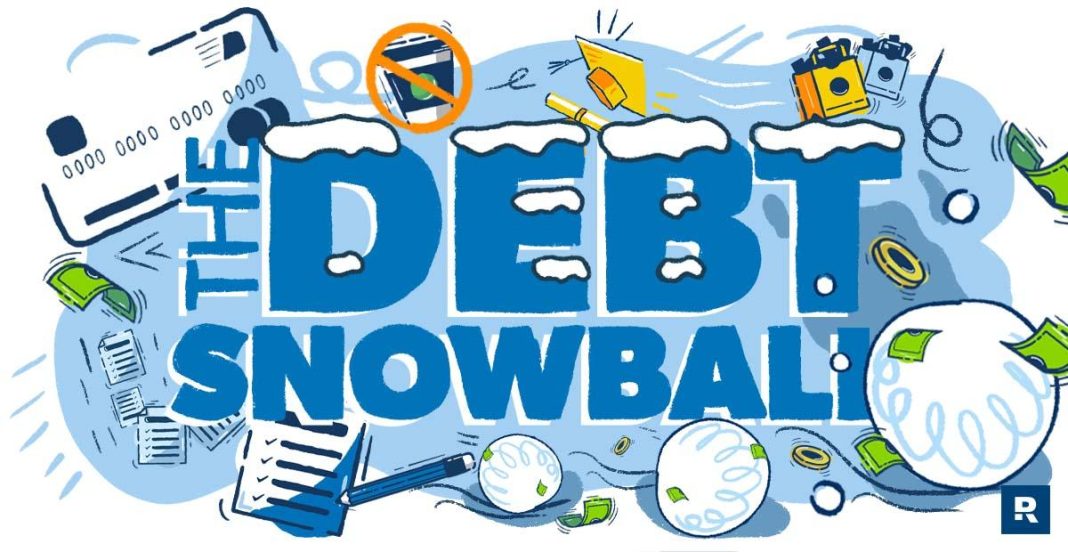
- Debt Snowball: Begin with the smallest debts, providing psychological wins and motivation as you progress.
- Bi-weekly Payments: Split monthly payments into bi-weekly ones, reducing interest over time and potentially shortening the repayment period.
- Refinancing: Look into refinancing options that could offer lower interest rates or more favorable terms.
Remember, the key to a successful repayment plan is consistency and adaptability. Regularly review your progress and adjust your strategy as necessary to ensure it remains effective and aligned with your evolving financial landscape.

Leveraging Refinancing for Long-Term Savings
Refinancing can be a powerful tool for homeowners looking to optimize their debt repayment strategy and secure long-term financial savings. By replacing an existing mortgage with a new one at a lower interest rate, homeowners can significantly reduce their monthly payments and overall interest costs. This strategic move not only frees up cash flow but also enables the allocation of funds toward other financial goals. It’s crucial, however, to consider the closing costs and the duration of time you plan to stay in the home to ensure the savings outweigh the expenses involved.
- Evaluate your current interest rate: If market rates have dropped since you initially secured your mortgage, refinancing might be a beneficial option.
- Consider the loan term: Opting for a shorter loan term can lead to more substantial savings on interest, although it might increase monthly payments.
- Assess your credit score: A higher credit score can qualify you for better refinancing terms, potentially lowering your interest rate even further.
- Calculate the break-even point: Determine how long it will take for the savings from the lower interest rate to cover the refinancing costs.
By thoughtfully considering these factors, homeowners can leverage refinancing not just as a short-term relief but as a strategic step towards long-term financial health.
Maximizing Equity to Accelerate Debt Reduction
Unlocking the full potential of your home’s equity can be a powerful strategy to reduce long-term debt. By tapping into this valuable resource, homeowners can leverage the value of their property to pay off high-interest obligations more efficiently. Here are some methods to consider:
- Home Equity Loans: These loans allow you to borrow against the equity in your home, often at lower interest rates than other forms of credit. This can be particularly advantageous for consolidating high-interest debts like credit cards.
- Refinancing: By refinancing your mortgage, you might access a lower interest rate or extend the loan term, freeing up cash to focus on other debts. This process can also include cash-out refinancing, where you take out a new loan for more than you owe, using the extra funds to pay off other liabilities.
- Home Equity Lines of Credit (HELOC): A HELOC offers flexibility, allowing you to borrow as needed up to a certain limit. This can be ideal for managing debt repayments without committing to a large, fixed loan amount.
By strategically managing your home’s equity, you can create a robust plan to accelerate debt reduction, ultimately leading to greater financial freedom. This approach requires careful consideration of interest rates and potential fees, but when executed correctly, it can significantly ease the debt burden over time.