

In today’s fast-paced financial landscape, managing multiple debts can often feel overwhelming, leaving many individuals searching for a more streamlined and manageable solution. Enter debt consolidation—a powerful strategy that can simplify your financial obligations and potentially reduce your overall interest costs. This article delves into the most effective strategies for consolidating and repaying debt, providing you with the tools and insights needed to regain control of your financial future. By understanding and implementing these approaches, you can transform a seemingly insurmountable debt load into a clear, achievable repayment plan, paving the way for a more secure and stress-free financial life. Whether you’re dealing with credit card balances, personal loans, or other forms of debt, these strategies will empower you to take decisive action with confidence and clarity.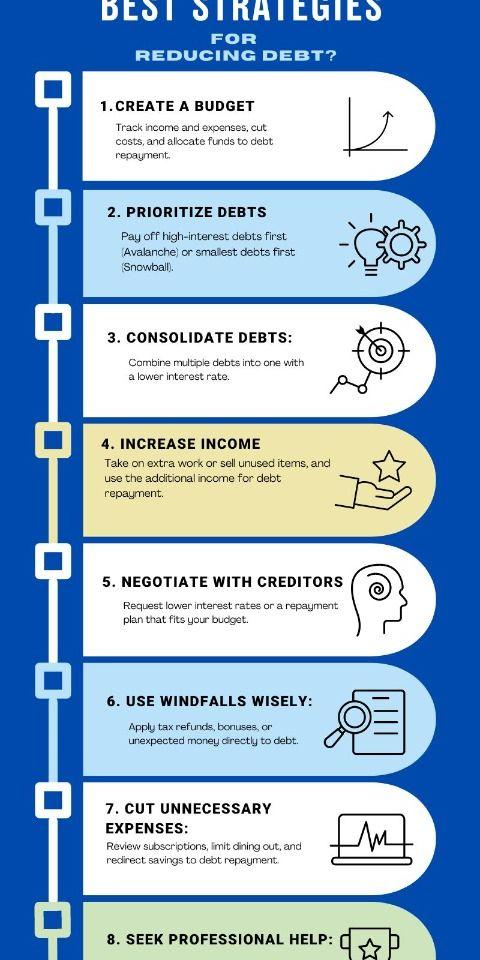 Debt Consolidation Method”>
Choosing the Right Debt Consolidation Method
When navigating the myriad options available for consolidating your debt, it’s essential to align your choice with your financial goals and current situation. Consider these key factors:
- Interest Rates: Evaluate options that offer a lower interest rate than your current debts. This can significantly reduce your overall repayment amount.
- Loan Terms: Shorter terms may mean higher monthly payments but could save you money on interest in the long run. Conversely, longer terms might offer lower monthly payments but increase the total interest paid.
- Fees and Costs: Be mindful of any upfront fees or hidden costs associated with the consolidation method. Some loans might offer attractive rates but come with hefty fees.
- Impact on Credit Score: Understand how each option may affect your credit score. While some methods might temporarily dip your score, the long-term benefits could outweigh the initial impact.
- Flexibility: Check for any prepayment penalties or the ability to adjust your payment plan if your financial situation changes.
By focusing on these elements, you can confidently select a debt consolidation strategy that not only simplifies your payments but also aligns with your financial future.
 Repayment Plan“>
Crafting a Personalized Repayment Plan
When embarking on the journey of debt consolidation and repayment, creating a personalized repayment plan is crucial. This tailored approach not only aligns with your financial goals but also ensures a structured path to becoming debt-free. Begin by evaluating your current financial situation, considering all sources of income and expenses. This will help you determine how much you can realistically allocate towards debt repayment each month.
To craft an effective plan, focus on the following elements:
- Prioritize Your Debts: Identify which debts carry the highest interest rates and prioritize them to minimize long-term costs.
- Set Achievable Milestones: Break down your debt into manageable chunks and set short-term goals to maintain motivation.
- Automate Payments: Utilize automatic payments to avoid missed deadlines and reduce the risk of incurring additional fees.
- Regularly Review and Adjust: Financial circumstances can change, so review your plan regularly and make adjustments as necessary to stay on track.
By implementing these strategies, you’ll create a repayment plan that not only fits your lifestyle but also propels you toward financial freedom with confidence and clarity.
Leveraging Financial Tools for Efficient Debt Management
In today’s fast-paced financial landscape, utilizing the right financial tools can be the key to mastering debt management. By strategically consolidating debts, individuals can streamline their payments, often at a lower interest rate, thus making the repayment process more manageable. Financial tools like budgeting apps and debt management software offer a comprehensive overview of one’s financial situation, providing insights that empower users to make informed decisions.
- Debt Consolidation Loans: These loans combine multiple debts into a single payment with a lower interest rate, simplifying the repayment process.
- Balance Transfer Credit Cards: With low or zero introductory interest rates, these cards can significantly reduce the cost of debt if used wisely.
- Automated Payment Systems: Setting up automatic payments ensures that no installment is missed, protecting your credit score.
By leveraging these tools, individuals can create a structured plan that not only reduces debt but also fosters financial stability. Implementing these strategies requires a commitment to regular financial reviews and adjustments, ensuring that the chosen path remains effective and aligned with personal financial goals.
Avoiding Common Pitfalls in Debt Consolidation
When embarking on the journey of consolidating debt, it’s crucial to be aware of some common missteps that could derail your financial recovery. One of the primary pitfalls is neglecting to thoroughly assess your financial situation. Failing to understand your total debt, interest rates, and payment terms can lead to choosing an inappropriate consolidation plan. Ensure that you have a clear picture of your finances before proceeding. Another common error is not comparing different consolidation options. With a variety of solutions available—such as personal loans, balance transfer credit cards, and home equity loans—it’s vital to evaluate which one aligns best with your financial goals.
- Skipping the Fine Print: Always read the terms and conditions carefully to avoid hidden fees or unfavorable terms.
- Not Creating a Budget: After consolidating, a budget will help you manage your finances and avoid accumulating more debt.
- Choosing the Wrong Provider: Research and select a reputable lender or financial institution to work with.
- Ignoring Your Credit Score: Some consolidation options can impact your credit score, so choose wisely based on your current standing.
By being mindful of these potential pitfalls and taking proactive steps to avoid them, you can set a solid foundation for successful debt consolidation and repayment.